Chinese Grammar Points
HSK 4
Intermediate








76 grammar points covering everything from basic word order to complex sentence patterns. Each point includes clear explanations, real-world examples, and exercises to reinforce your learning.
expression
At this level, you stop translating and start expressing ideas naturally.
Band 4 Requirements
Official HSK 3.0 quantitative criteria — what you need to know and how you'll be tested.
Exam Structure
| Section | Questions | Duration |
|---|---|---|
| Listening | 45 | ~30 min |
| Reading | 40 | 40 min |
| Writing | 25 | 15 min |
Proficiency Standards
Understand extended conversations and discussions on work, study, and social topics with good comprehension.
Have complete conversations on work and study topics, express detailed opinions, and handle complex daily situations.
Read longer articles, professional documents, and literature with good understanding of nuance and detail.
Write detailed essays, reports, and correspondence. Begin basic translation between Chinese and another language.
Source: 新版HSK考试大纲 (HSK 3.0 official syllabus, 国家汉办 / Chinese Testing International). Score validity: 2 years from exam date.
What's Inside Every Grammar Point
Each of our grammar points is a complete mini-lesson. We don't just tell you the rule — we show you how it works with real sentences, warn you about the traps other learners fall into, and give you exercises to make it stick. Whether you're studying for the HSK exam or building conversational fluency, every point is designed to take you from "I've seen this before" to "I can use this confidently." Clear, structured, and built for lasting progress — not just memorization.
Sentence Patterns
Every grammar point starts with a clear, visual pattern template showing exactly where each word goes. No guesswork — just fill in the slots and build correct sentences from day one.
In-Depth Explanations
Each point comes with a thorough breakdown of how the grammar works, why it exists, and how native speakers actually think about it. Cultural notes add the context textbooks leave out.
Real-World Examples
Every rule is backed by graded example sentences — from simple beginner phrases to natural conversational Chinese. Each example includes pinyin, English translation, and usage notes so nothing is left unclear.
Common Mistakes
Learn what not to say. Each grammar point highlights the mistakes Chinese learners actually make, with side-by-side wrong vs. correct comparisons and clear explanations of why the error happens.
Interactive Exercises
Put your understanding to the test with multiple-choice questions, fill-in-the-blank drills, and translation challenges. Instant feedback and explanations help you learn from every attempt.
Tips & Study Strategies
Practical memory tricks, mnemonics, and study advice written by experienced Chinese teachers. Each grammar point ends with homework prompts to keep your practice focused and consistent.
Audio Pronunciations
Hear every example sentence and key vocabulary spoken by native Mandarin speakers. Train your ear alongside your grammar — because understanding spoken Chinese is just as important as reading it.
Progress Tracking
Earn XP and unlock checkpoints as you work through each grammar point. Track your mastery across sections, monitor your study streaks, and watch your understanding grow from beginner to confident speaker.
Modal Verb: 得 (děi) — Must / Have to
能愿动词:得
Express necessity or obligation using 得 (děi) meaning "must" or "have to"
Pronoun: 人家 (Other People / That Person / I)
人称代词:人家
Understand and use the versatile pronoun 人家 in its three common meanings: other people, a specific person, and a colloquial "I"
Measure Words: 打, 袋, 根, 卷, 棵, 批
名量词:打、袋、根、卷、棵、批
Use six new nominal measure words correctly to describe dozens, bags, thin items, rolls, trees, and batches
Borrowed Measure Words
借用量词
Understand how nouns and verbs can be "borrowed" as measure words to create vivid, descriptive expressions
Degree Adverbs: 格外, 极, 极其
程度副词:格外、极、极其
Express extreme degrees using 格外 (especially), 极 (extremely), and 极其 (exceedingly)
Scope Adverb: 共 (Altogether / In Total)
范围、协同副词:共
Use 共 to express totals, sums, and collective scope in statements
Time Adverbs: 按时, 即将, 急忙, 渐渐, 尽快
时间副词:按时、即将、急忙、渐渐、尽快
Express punctuality, imminence, haste, gradual change, and urgency using five time adverbs
Frequency Adverbs: 一再, 再三
频率、重复副词:一再、再三
Express repeated actions using 一再 (repeatedly, over and over) and 再三 (over and over, with emphasis on insistence)
Correlative Adverb: 却 (But / Yet)
关联副词:却
Express unexpected contrast or contradiction using the adverb 却
Negation Adverb: 未必 (Not Necessarily)
否定副词:未必
Express partial negation and uncertainty using 未必 to say something is not necessarily true
Modal Adverbs: 几乎 & 似乎
情态副词:几乎、似乎
Express approximation with 几乎 (almost) and appearance with 似乎 (seemingly)
Tone Adverbs: 的确, 反而, 还, 竟然, 究竟
语气副词:的确、反而、还⁴、竟然、究竟
Use tone adverbs to express confirmation, contrast, surprise, and insistence in Chinese
Preposition: 自 (from/since)
介词引出时间处所:自
Use the formal preposition 自 to indicate a starting point in time or place
Preposition: 对于 (regarding)
对于
Use 对于 to introduce topics and frame discussions in formal Chinese
Preposition: 关于 (about/regarding)
关于
Use 关于 to specify the subject matter or scope of a topic
Preposition: 替 (on behalf of/for)
替
Use 替 to express doing something on behalf of someone or feeling emotions for someone
Preposition: 根据 (based on/according to)
根据
Use 根据 to cite evidence, sources, or criteria for actions and decisions
Preposition: 作为 (as/in the capacity of)
作为
Use 作为 to frame a role, identity, or capacity that justifies an action or expectation
Conjunctions: 并 & 以及
连接词或词组:并²、以及
Use 并 and 以及 to link words, phrases, and actions in formal Chinese
Clause Connectors: 此外, 而, 而是, 既然, 可见, 甚至, 假如, 总之
连接分句或句子:此外、而¹、而是、既然、可见、甚至、假如、总之
Use eight clause-level connectors to build complex, well-structured Chinese sentences
Particle: 似的 (like / as if)
其他助词:似的
Use 似的 to create vivid comparisons and similes in Chinese
Interjection: 啊 (ah / oh)
叹词:啊²
Use the interjection 啊 to express surprise, realization, admiration, and other emotions naturally
Pattern: 大A大B (big A big B)
大A大B
Use the four-character pattern 大A大B to describe actions or things done on a grand or exaggerated scale
Pattern: 一A一B
一A一B
Use the four-character pattern 一A一B to express thoroughness, small increments, or paired actions
Fixed Phrase: 看来 (it seems / apparently)
看来
Use 看来 to express observations, inferences, and conclusions based on evidence
Fixed Phrase: 来得及 / 来不及 (have time / not have time)
来得及/来不及
Use 来得及 and 来不及 to express whether there is enough time to do something
Fixed Phrase: 说不定 (maybe / perhaps — uncertain)
说不定
Use 说不定 to express uncertainty and speculation in a natural, conversational way
Fixed Phrase: 一般来说 (generally speaking)
一般来说
Use 一般来说 to make generalizations and state what is typically true
Pattern: 一 + MW + 比 + 一 + MW (each one more than the last)
一+量词+比+一+量词
Use the pattern 一+MW+比+一+MW to express progressive increase or improvement
Fixed Pattern: (自)……以来 (since / ever since)
(自)……以来
Use (自)……以来 to express "since" a point in time, describing what has happened from then until now
Composed of: 由……组成
由……组成
Describe what something is made up of or composed of using the 由…组成 pattern
Regarding / In the Aspect of: 在……方面
在……方面
Specify a domain or aspect when making statements using the 在…方面 pattern
Abstract Location: 在……上/下/中
在……上/下/中
Use 在…上, 在…下, and 在…中 to express abstract or figurative location such as "regarding," "under the influence of," and "in the process of"
Subject-Predicate Phrase as Subject
主谓短语作主语
Use a complete subject-predicate phrase as the subject of a larger sentence
Patient as Subject (Notional Passive)
受事主语
Place the object (patient) in subject position to emphasize what happened to it, without using 被
Multiple Attributives (Stacked Modifiers)
多项定语
Stack multiple modifiers before a noun in the correct order following Chinese attributive sequencing rules
Directional Complements: Figurative Use
趋向补语3 — 引申用法
Use directional complements (上, 出, 起, 下) in their figurative and extended meanings beyond physical direction
Advanced 把-Sentences: Disposal
"把"字句2:表处置
Use advanced 把-sentence patterns including reduplicated verbs, resultative complements with 了/着, and measure complements
Short Passive: 被 Without Agent
被动句2:主语+被+动词+其他成分
Form passive sentences using 被 without stating the agent (doer), focusing on what happened to the subject
Existential Sentences 2: Appearance & Disappearance
存现句2
Describe the appearance or disappearance of people and things at a location using existential sentence patterns
Pivotal Sentences 2
兼语句2
Use pivotal sentences to express praise/criticism and to assign titles or roles
是...的 Sentence 2: Emphasizing Opinion or Attitude
"是……的"句2:强调说话人的看法或态度
Use 是……的 to emphasize the speaker's subjective opinion, judgment, or attitude about something
Not...But Rather: 不是...而是...
不是……,而是……
Correct a misconception or contrast two alternatives using 不是...而是...
Both...And: 既...又/也...
既……,又/也……
Express that something has two qualities or someone does two things simultaneously using 既...又/也...
Firstly...Secondly: 首先...其次...
首先……,其次……
Organize ideas and arguments in logical order using 首先 and 其次
And So / Thereupon: ...于是...
……,于是……
Connect a situation to its natural consequence or resulting action using 于是
Even / To the Extent That: ...甚至...
……,甚至……
Express an extreme degree or surprising extent using 甚至 to emphasize escalation
Either...Or: 或者...或者...
或者……,或者……
Present two or more alternatives in a selective compound sentence using 或者...或者...
However / Nevertheless: ...然而...
……,然而……
Express contrast between expectation and reality using the formal connector 然而
Otherwise: ...否则...
……,否则……
State a condition or instruction followed by the negative consequence using 否则 (otherwise)
Hypothetical Compound: 假如...就... (If / Supposing)
假如……,(就)……
Express hypothetical conditions and their consequences using 假如...就...
Hypothetical Compound: 万一...就... (In Case / Just in Case)
万一……,(就)……
Express unlikely but possible scenarios and prepare for worst-case situations using 万一...就...
Conditional Compound: 不管...都/也... (No Matter / Regardless)
不管……,都/也……
Express that a result remains the same regardless of any condition using 不管...都/也...
Conditional Compound: 无论...都/也... (No Matter What — Formal)
无论……,都/也……
Express unconditional results using the formal pattern 无论...都/也...
Causal Compound: 既然...就... (Since / Now That)
既然……,就……
Draw logical conclusions from established facts using 既然...就...
Causal Compound: ...可见... (It Can Be Seen That / Evidently)
……,可见……
Draw conclusions from evidence or observations using 可见
Concessive Compound: 哪怕...也/还... (Even If)
哪怕……,也/还……
Express determination or willingness to act despite unfavorable conditions using 哪怕...也/还...
Purpose Compound: ...好... (So That / In Order To)
……,好……
Express the purpose of an action using 好 as a conjunction meaning "so that"
Unmarked Tight Compound Sentences (No Connector)
无标记紧缩复句
Understand and produce compound sentences without explicit connectors, relying on context and logic
Pattern: 不...也... (Even Without...Still...)
不……也……
Express that someone will do something even at the cost of not doing something else using 不...也...
Approximate Numbers 3: Number + 来 + Measure Word
概数表示法3:数词+来+量词
Express approximate quantities using the pattern number + 来 + measure word
Decimals, Fractions, Percentages, and Multiples
小数、分数、百分数、倍数的表示法
Read and express decimals, fractions, percentages, and multiples in Chinese
Rhetorical Questions with Question Pronouns for Emphasis
用反问句表示强调2:由疑问代词构成的反问句
Use question pronouns (谁, 哪儿, 怎么, 什么) in rhetorical questions to express strong emphasis
Double Negation for Emphasis
用双重否定表示强调
Use double negation patterns to express strong affirmation and emphasis
Emphasis with 一 + MW + 也/都 + Negation (Not Even One)
用"一+量词(+名词)+也(都)/也没(不)……"表示强调
Express emphatic negation using "not even one" with the pattern 一 + MW + 也/都 + negative
Emphasis with 连...也/都... (Even...)
用"连……也/都……"表示强调
Use the 连...也/都... pattern to express "even" for strong emphasis, highlighting something unexpected
Colloquial: 不X白不X (Might as Well X)
不X白不X
Use the colloquial pattern 不X白不X to express "might as well do X since there's nothing to lose"
Colloquial: V + 一X是一X (Every X Counts)
动词+一X是一X
Use the pattern V + 一X是一X to express "every bit counts" or "take it one X at a time"
Colloquial: (没)有什么(好)X的 (Nothing to X About)
(没)有什么(好)X的
Use the pattern (没)有什么(好)X的 to dismiss something as not worth worrying, fearing, or being excited about
Colloquial: X是X,Y是Y (Keep Things Separate)
X是X,Y是Y
Use the pattern X是X,Y是Y to insist that two things should be kept separate and not confused
Whether X or Not with 也罢
X也罢,不X也罢
Use the pattern X也罢,不X也罢 to express that something will happen regardless of a condition
Just Do X with 就是了
X就是了
Use 就是了 to reassure someone or suggest that doing something is simple and sufficient
Rhetorical "这又X" — So What?
这又X
Use 这又X to rhetorically dismiss a concern or express "so what" / "what does it matter"
Go Ahead and Do Your Thing with 你X你的吧
你X你的吧
Use the pattern 你X你的吧 to tell someone to go ahead and do what they are doing without worrying about the speaker
Just Do as You're Told with 让X就X
让/叫/给X你就X
Use the pattern 让/叫/给X你就X to tell someone to simply comply without questioning
No Matter What, Must X with 说什么也得
说什么/怎么(着)也得X
Use 说什么也得 and 怎么也得 to express strong determination that something must happen regardless of obstacles
Recommended books
Books chosen for HSK 4 — grammar references and course books that cover the patterns on this page. Full list on the HSK 4 books page.

A Chinese Text for a Changing China
Developing Chinese
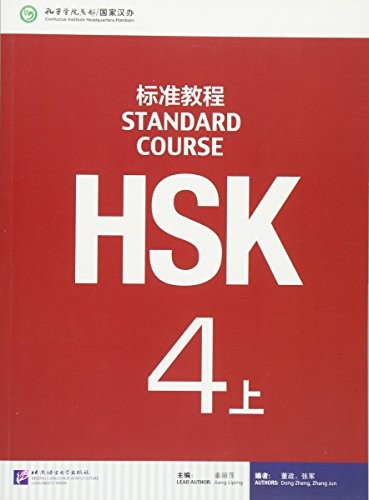
HSK Standard Course 4A

Integrated Chinese
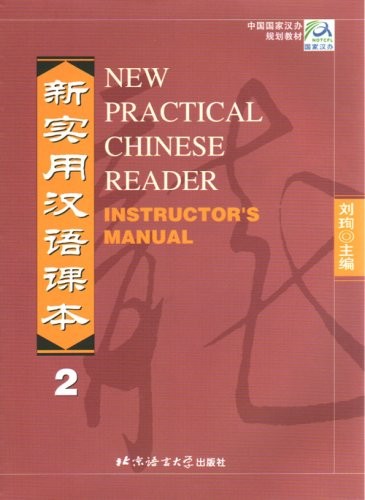
New Practical Chinese Reader
Chinese: A Comprehensive Grammar
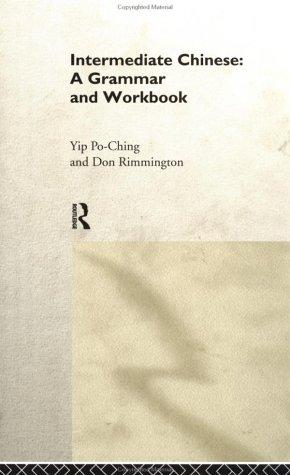
Intermediate Chinese: A Grammar and Workbook
Chinese Writing and Calligraphy
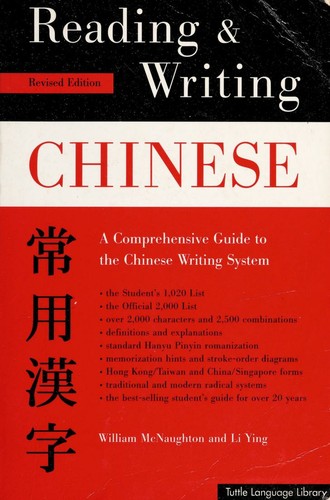
Reading and Writing Chinese