November 1, 2026 · 星期日
The Forbidden City
故宫· palace

 Today’s episode with Jason and Amy
The word 宫 (gōng) is central to understanding the architecture and cultural significance of the Forbidden City.
霜降 is the last solar term of autumn, when the first frosts settle over the land and temperatures drop toward winter. White rime coats the morning fields, leaves blaze red and fall, and the harvest draws to a close.
People eat persimmons, said to ward off cold and chapped lips, and in some regions enjoy mutton to build warmth for winter.
The Forbidden City
故宫gù gōng
The Forbidden City, known in Chinese as Gùgōng (故宫), stands as an enduring symbol of ancient Chinese civilization. Built in the early 15th century during the Ming Dynasty, this vast palace complex was home to 24 emperors across two dynasties: the Ming and the Qing. It served not only as the center of political power but also as a significant cultural hub where art, literature, and philosophy flourished[1].
The layout of the Forbidden City is a marvel of traditional Chinese architecture. Designed to reflect the grandeur and order of the universe, the complex is meticulously organized along a central axis. The use of color, particularly the vibrant red walls and golden roofs, symbolizes power and prosperity. The symmetry and precision of the design were meant to convey the emperor's supreme authority and the harmonious nature of his rule[2].
Today, the Forbidden City is a UNESCO World Heritage Site and one of China’s most visited landmarks. It houses the Palace Museum, which showcases a vast collection of artifacts, offering insights into the lives of the emperors and the rich heritage of Chinese culture. Visitors can explore the opulent halls and courtyards, where once only royalty and select officials were allowed to tread, experiencing the grandeur of an imperial era long past[3].
On this day, as the Year of the Horse gallops forward, we appreciate the profound cultural legacy left by this magnificent palace. The word 宫 (gōng), meaning "palace," embodies the essence of the Forbidden City, linking today’s word to this historical treasure.
The word 宫 (gōng) is central to understanding the architecture and cultural significance of the Forbidden City.
故宫是一座宏伟的宫殿。
Gùgōng shì yī zuò hóngwěi de gōngdiàn.
The Forbidden City is a magnificent palace.
- [1] UNESCO World Heritage Centre, The Imperial Palace of the Ming and Qing Dynasties in Beijing and Shenyang, 1987.
- [2] Guo Qinghua, 'Traditional Chinese Architecture and Planning: China's Architectural History in a Nutshell', 2006.
- [3] Palace Museum, 'Treasures of the Palace Museum', 2011.
Jason & Amy on 宫
Podcast: Dragon Daily: The Forbidden City — and the word 宫
Jason & Amy on The Forbidden City and 宫
New here?
November 1, 2026
Today's highlights in Chinese cultural history include a prominent gymnast and the intriguing life of the 11th Dalai Lama.
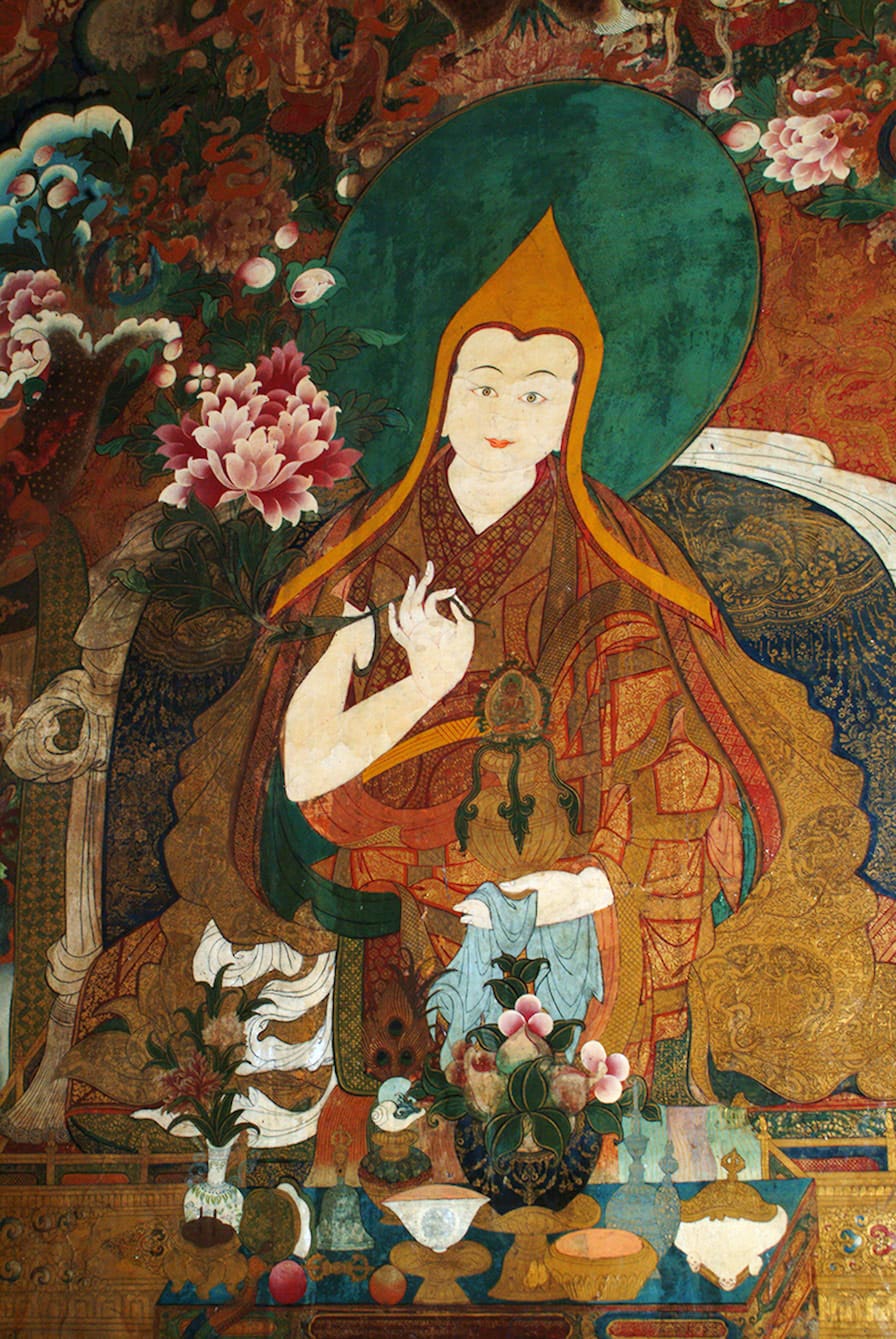
Unknown author Unknown author / Wikimedia Commons (Public domain) source Birth of the 11th Dalai Lama 第十一世达赖喇嘛
The 11th Dalai Lama was born in 1838 and served as a spiritual leader in Tibet. Despite his short life, he had a significant impact on Tibetan Buddhism and the governance of the region.
His life and role continue to be of historical importance in Tibetan culture and history.
Read more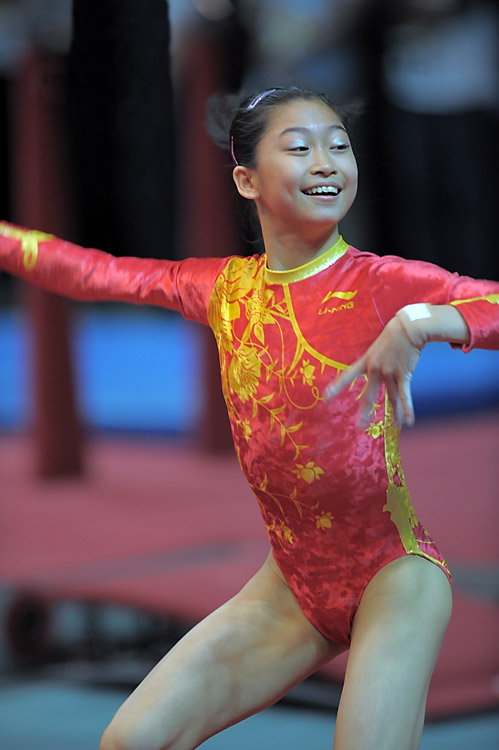
Boman / Wikimedia Commons (CC BY-SA 3.0) sourcelicence Birth of Chinese Gymnast Jiang Yuyuan 江钰源
Jiang Yuyuan, a talented Chinese gymnast, was born in 1991. She became well-known for her accomplishments in international competitions, including the Olympic Games where she excelled in multiple events.
Jiang Yuyuan's achievements have inspired many young athletes in China.
Read more
这是一座宫。
Zhè shì yī zuò gōng.
This is a palace.
A simple sentence using 宫 to mean 'palace'.
皇帝住在宫里。
Huángdì zhù zài gōng lǐ.
The emperor lives in the palace.
Illustrates 宫 as a place where royalty resides.
这座宫殿非常壮观。
Zhè zuò gōngdiàn fēicháng zhuàngguān.
This palace is very magnificent.
Uses 宫 to describe the grandeur of a palace.
故宫是历史的见证。
Gùgōng shì lìshǐ de jiànzhèng.
The Forbidden City is a witness to history.
Uses 宫 metaphorically to denote historical significance.
Using 是 (shì) for Identification
subject + 是 + noun
This pattern is used to identify or describe the subject using a noun.
Use 是 (shì) to equate one noun with another, such as in identifications.
她是老师。
Tā shì lǎoshī.
She is a teacher.
他是学生。
Tā shì xuéshēng.
He is a student.
这本书是我的。
Zhè běn shū shì wǒ de.
This book is mine.
What does 宫 mean?
How is 宫 pronounced?
How do you write "palace" in Chinese?
Listen. What does the sentence mean?
这是一座___。(This is a ___.)
故宫是一座宏伟的宫殿 — What does this sentence mean?
What is the Forbidden City also known as?
Arrange into a correct sentence
In what year was Chinese gymnast Jiang Yuyuan born?
What role did the 11th Dalai Lama serve?
Frequently asked questions about the word 宫
In music, 宫 refers to the first note in the pentatonic scale, which is crucial in traditional Chinese music.
No, 宫 can also refer to temples and is a common surname.
The correct pronunciation is 'gōng' with a high, level tone.
Chinese Learner’s Horoscope
Your sign’s reading for today, written for learners.
Find your sign
The Chinese zodiac assigns each birth year one of twelve animals, each paired with an element that colours its character. Yours shapes a reading written for learners.
- Your sign and its elementOne of twelve animals on a 12-year cycle
- A daily affirmationFresh every morning, never repeated
- A learning horoscopeWhat to study today, and when
- A lucky characterWith pinyin, meaning and a study tip
Your birth date
Saved on this device — used only to work out your zodiac sign.
Today's Mandarin word: 宫 (gōng) — palace.
Learn it on Mandarin Temple's Dragon Daily 🐉