November 2, 2026 · 星期一
The Temple of Heaven
天坛· altar

 Today’s episode with Jason and Amy
The Temple of Heaven symbolizes the ancient Chinese belief in the harmony between heaven and earth.
霜降 is the last solar term of autumn, when the first frosts settle over the land and temperatures drop toward winter. White rime coats the morning fields, leaves blaze red and fall, and the harvest draws to a close.
People eat persimmons, said to ward off cold and chapped lips, and in some regions enjoy mutton to build warmth for winter.
The Temple of Heaven
天坛tiān tán
The Temple of Heaven, or Tiāntán (天坛), is a magnificent example of traditional Chinese architecture and spiritual practice. Located in Beijing, this sprawling complex served as a sacred site where emperors of the Ming and Qing dynasties would conduct annual ceremonies to pray for a bountiful harvest. The architectural layout of the temple is a profound expression of Chinese cosmology, with its circular mound altar symbolizing heaven and the square base representing earth, reflecting the ancient Chinese belief in the harmony between heaven and earth[1].
The most iconic structure within the Temple of Heaven is the Hall of Prayer for Good Harvests. This stunning triple-gabled circular building, with its striking blue-tiled roof, stands at the heart of the complex. The intricate design of the hall, without the use of nails, demonstrates the ingenuity and artistry of ancient Chinese builders. This hall functioned as the primary altar (坛, tán) where emperors would offer sacrifices and pray for prosperity. The importance of the site is reflected in its large size, covering an area of around 2.73 square kilometers, making it larger than the Forbidden City[2].
In 1998, the Temple of Heaven was declared a UNESCO World Heritage Site, recognizing its cultural and historical significance. It is a testament to the rich spiritual heritage of China and remains a popular destination for both locals and tourists. Today, visitors can explore the serene grounds, admire the exquisite architecture, and even participate in cultural activities such as tai chi or calligraphy, connecting with the traditions that have been carried forward through centuries.
The Temple of Heaven is not just a historical monument, but a living symbol of China's cultural legacy, offering a glimpse into the world of ancient Chinese rituals and beliefs. It reminds us of the importance of harmony between humanity and nature, a concept deeply embedded in Chinese philosophy.
The Temple of Heaven symbolizes the ancient Chinese belief in the harmony between heaven and earth.
天坛很美。
Tiāntán hěn měi.
The Temple of Heaven is beautiful.
- [1] UNESCO inscription: Temple of Heaven: An Imperial Sacrificial Altar in Beijing, 1998
- [2] Jordan, David K., "The Temple of Heaven," in The Chinese Earth and Heaven, 1998
Jason & Amy on 坛
Podcast: Dragon Daily: The Temple of Heaven — and the word 坛
Jason & Amy on The Temple of Heaven and 坛
New here?
November 2, 2026
Today marks significant moments in Chinese cultural contributions through literature, art, and remarkable individuals.
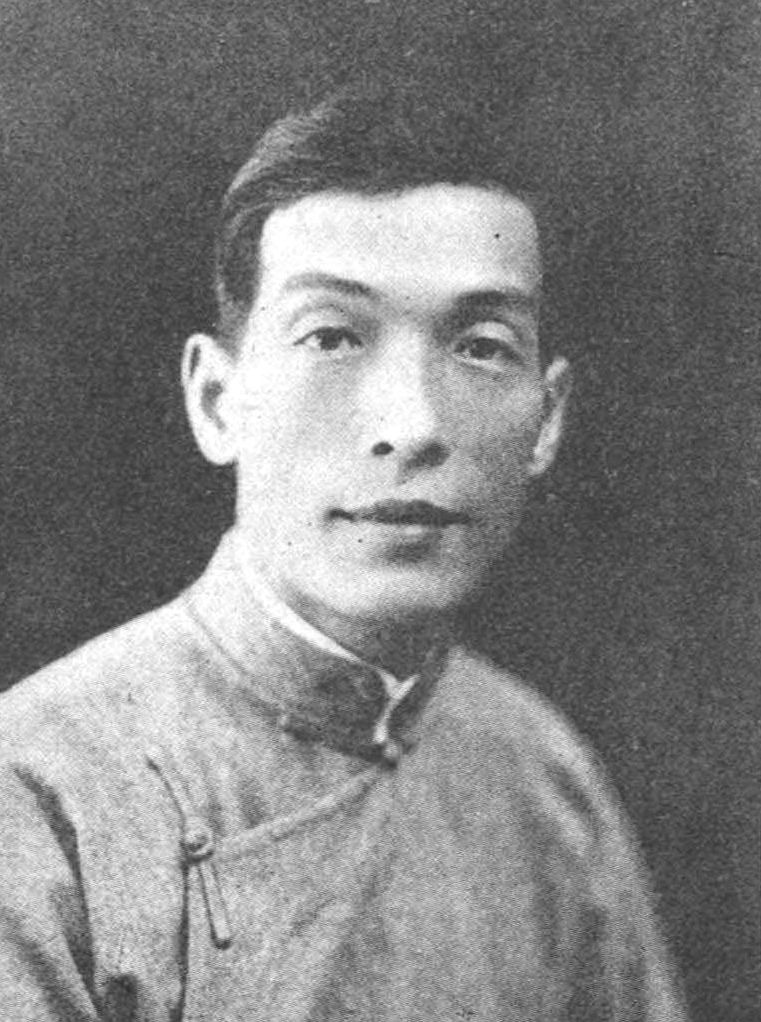
Unknown author Unknown author / Wikimedia Commons (Public domain) source Death of Gao Qifeng, Chinese Painter
Gao Qifeng, a prominent Chinese painter, died in 1933. He played a pivotal role in the Lingnan school of painting, blending traditional Chinese styles with Western techniques.
His work continues to influence contemporary Chinese art.
Read morePassing of Nien Cheng, Influential Author 郑念
Nien Cheng, a Chinese-American author, died in 2009. Her memoir 'Life and Death in Shanghai' is acclaimed for its powerful depiction of personal resilience during turbulent times in China.
Her writings provide important historical and cultural insights.
Read moreDeath of Han Suyin, Renowned Author 韩素音
Han Suyin, a Chinese-Swiss physician and author, passed away in 2012. She was known for works such as 'A Many-Splendoured Thing', which offered deep insights into Chinese and Western cultures.
Her writings helped bridge Eastern and Western perspectives.
Read more
这是一个坛。
Zhè shì yī gè tán.
This is an altar.
This sentence shows the basic meaning of 坛 as 'altar'.
皇帝在坛祈祷。
Huángdì zài tán qídǎo.
The emperor prays at the altar.
Uses 坛 in a simple historical context.
坛上的建筑很美。
Tán shàng de jiànzhù hěn měi.
The architecture on the altar is beautiful.
Describes a feature related to the altar.
天坛象征天地和谐。
Tiāntán xiàngzhēng tiāndì héxié.
The Temple of Heaven symbolizes the harmony between heaven and earth.
A more abstract use of 坛 to convey a symbolic meaning.
The use of 在 to indicate location
在 + location + verb
This pattern is used to indicate where an action is taking place.
Use this structure to specify the location of an action.
她在家学习。
Tā zài jiā xuéxí.
She studies at home.
我们在公园散步。
Wǒmen zài gōngyuán sànbù.
We walk in the park.
他在办公室工作。
Tā zài bàngōngshì gōngzuò.
He works in the office.
What does 坛 mean?
How is 坛 pronounced?
How do you write "altar" in Chinese?
Listen. What does the sentence mean?
这里是一个___。(This is an ___.)
天坛象征和谐 — What does this sentence mean?
What is the main purpose of the Temple of Heaven?
Arrange into a correct sentence
Which author wrote 'A Many-Splendoured Thing'?
Gao Qifeng was associated with which art movement?
Frequently asked questions about the word 坛
Common phrases include 祭坛 (jìtán, altar for sacrifices) and 考试坛 (kǎoshìtán, examination hall).
坛 specifically refers to ceremonial platforms, while platforms in general could be denoted by characters like 平台 (píngtái).
It's more commonly used in formal or specific contexts rather than everyday conversation.
Chinese Learner’s Horoscope
Your sign’s reading for today, written for learners.
Find your sign
The Chinese zodiac assigns each birth year one of twelve animals, each paired with an element that colours its character. Yours shapes a reading written for learners.
- Your sign and its elementOne of twelve animals on a 12-year cycle
- A daily affirmationFresh every morning, never repeated
- A learning horoscopeWhat to study today, and when
- A lucky characterWith pinyin, meaning and a study tip
Your birth date
Saved on this device — used only to work out your zodiac sign.
Today's Mandarin word: 坛 (tán) — altar.
Learn it on Mandarin Temple's Dragon Daily 🐉