
October 31, 2026 · 星期六
Cultivated Stillness
静· still

 Today’s episode with Jason and Amy
The concept of 静 is integral to Chinese practices like tea ceremonies, calligraphy, and meditation, promoting clarity and inner peace.
霜降 is the last solar term of autumn, when the first frosts settle over the land and temperatures drop toward winter. White rime coats the morning fields, leaves blaze red and fall, and the harvest draws to a close.
People eat persimmons, said to ward off cold and chapped lips, and in some regions enjoy mutton to build warmth for winter.
Cultivated Stillness
静jìng
Cultivated stillness, or jìng (静), plays a significant role in various aspects of Chinese culture. It is not merely the absence of sound or movement, but a deeper state of tranquility and clarity. This concept is essential in traditional practices such as tea ceremonies, where the careful and deliberate preparation of tea encourages mindfulness. The slow, rhythmic movements help individuals immerse themselves in the present moment, fostering a sense of inner peace[1].
Calligraphy is another practice where 静 is cultivated. The art of Chinese calligraphy requires concentration and a calm state of mind. As the brush glides across the paper, the calligrapher's mind must be free of distractions, fully immersed in the flow of ink and the balance of each stroke. This meditative process allows practitioners to express themselves while finding stillness and clarity within[2].
Meditation, a cornerstone of many Eastern philosophies, also emphasizes the importance of 静. Through meditation, individuals can focus inward, quieting the mind and achieving a profound sense of peace. This practice is often used to gain insights into one's thoughts and emotions, promoting self-awareness and mental clarity. In a world full of noise and distractions, cultivating 静 is a valuable skill that can enhance well-being and personal growth[3].
On this day, as we embrace the spirit of cultivated stillness, we can reflect on how these practices help us connect with ourselves and the world around us. By embracing 静, we open ourselves to a deeper understanding and appreciation of life.
The concept of 静 is integral to Chinese practices like tea ceremonies, calligraphy, and meditation, promoting clarity and inner peace.
今天我们修习静。
Jīntiān wǒmen xiūxí jìng.
Today we practice stillness.
- [1] Lu Yu, The Classic of Tea (《茶经》)
- [2] Sun Guoting, The Art of Calligraphy (《书谱》)
- [3] Zhuangzi, Inner Chapters (《庄子·内篇》)
Jason & Amy on 静
Podcast: Dragon Daily: Cultivated Stillness — and the word 静
Jason & Amy on Cultivated Stillness and 静
New here?
October 31, 2026
Today in Chinese cultural history, we celebrate the birth of a prominent Neo-Confucian scholar and remember the contribution of a key aerodynamicist.
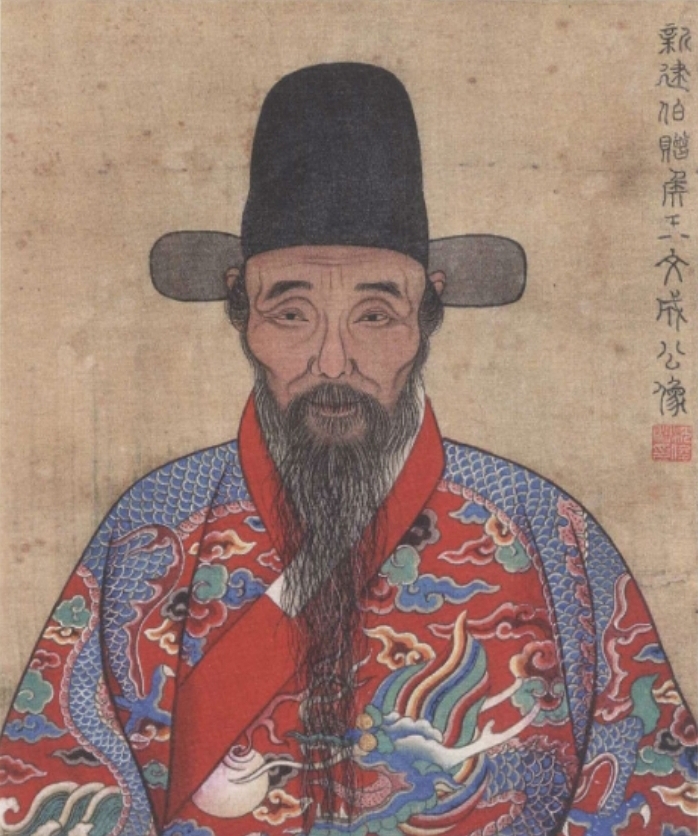
Shen Junhui (沈俊繪) / Wikimedia Commons (Public domain) source Birth of Wang Yangming, Influential Chinese Philosopher 王阳明
Wang Yangming, born in 1472, was a pivotal figure in Neo-Confucian philosophy. He emphasized the importance of intuition and innate knowledge, diverging from traditional interpretations of Confucianism and influencing later intellectual movements.
Wang's ideas continue to impact Chinese educational and philosophical thought.
Read moreDeath of Lu Jiaxi, Self-Taught Chinese Mathematician 陆家羲
Lu Jiaxi made notable contributions to mathematics despite having no formal degree. His passion and self-study led to significant advancements in several fields, inspiring future generations.
Lu's story illustrates the power of perseverance and self-education in scientific achievement.
Read more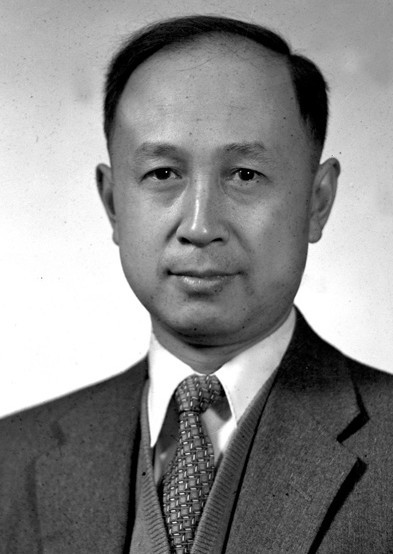
Unknown author Unknown author / Wikimedia Commons (Public domain) source Death of Qian Xuesen, Pioneering Chinese Scientist 钱学森
Qian Xuesen was an eminent aerodynamicist whose work laid the groundwork for China’s space program. Born in 1911, he contributed significantly to rocket science and guided missile technology.
Qian's work remains a cornerstone of China's aerospace achievements.
Read more
这里很静。
Zhèlǐ hěn jìng.
It is quiet here.
A simple sentence showing the use of 静 to describe a quiet place.
他需要一个静的环境。
Tā xūyào yīge jìng de huánjìng.
He needs a quiet environment.
This sentence describes the necessity of a calm environment using 静.
静的心态很重要。
Jìng de xīntài hěn zhòngyào.
A calm mindset is important.
This highlights the importance of maintaining a calm state of mind.
在静中找到智慧。
Zài jìng zhōng zhǎodào zhìhuì.
Find wisdom in stillness.
An abstract use of 静 to convey the concept of finding deeper understanding through tranquility.
得 Structure
得 + adjective
This structure is used to describe the state or condition of something with an adjective.
Use this pattern to indicate how something is done or the state it is in.
他跑得很快。
Tā pǎo de hěn kuài.
He runs very fast.
她写得很漂亮。
Tā xiě de hěn piàoliang.
She writes beautifully.
房间打扫得很干净。
Fángjiān dǎsǎo de hěn gānjìng.
The room is cleaned very well.
What does 静 mean?
How is 静 pronounced?
How do you write "still" in Chinese?
Listen. What does the sentence mean?
夜晚是___的。(The night is ___.).
房间里很静。 — What does this sentence mean?
In which practice is 静 not traditionally cultivated?
Arrange into a correct sentence
Which Chinese philosopher born in 1472 influenced Neo-Confucianism?
Who was known as a pioneering aerodynamicist in China?
Frequently asked questions about the word 静
You can say '这里很静' (zhèlǐ hěn jìng), meaning 'It is very quiet here.'
Yes, while it's more formal, you can use 静 in daily contexts like describing a peaceful place or moment.
Synonyms include 安静 (ān jìng) for 'quiet' and 寂静 (jì jìng) for 'silence.'
Chinese Learner’s Horoscope
Your sign’s reading for today, written for learners.
Find your sign
The Chinese zodiac assigns each birth year one of twelve animals, each paired with an element that colours its character. Yours shapes a reading written for learners.
- Your sign and its elementOne of twelve animals on a 12-year cycle
- A daily affirmationFresh every morning, never repeated
- A learning horoscopeWhat to study today, and when
- A lucky characterWith pinyin, meaning and a study tip
Your birth date
Saved on this device — used only to work out your zodiac sign.
Today's Mandarin word: 静 (jìng) — still.
Learn it on Mandarin Temple's Dragon Daily 🐉