October 29, 2026 · 星期四
Butterfly Dreams
梦· dream

 Today’s episode with Jason and Amy
The word 梦 connects to Zhuangzi's philosophical exploration of reality and transformation.
霜降 is the last solar term of autumn, when the first frosts settle over the land and temperatures drop toward winter. White rime coats the morning fields, leaves blaze red and fall, and the harvest draws to a close.
People eat persimmons, said to ward off cold and chapped lips, and in some regions enjoy mutton to build warmth for winter.
Butterfly Dreams
梦mèng
In Chinese culture, dreams are not only considered a gateway to the subconscious but also a profound philosophical concept. The term 梦 (mèng) is central to many classical texts and philosophical debates, symbolizing both aspirations and the ephemeral nature of reality. One of the most famous references to dreams in Chinese philosophy is Zhuangzi's 'Butterfly Dream.' In this tale, Zhuangzi dreams he is a butterfly, and upon waking, he wonders if he is a man who dreamed of being a butterfly or a butterfly dreaming of being a man. This parable raises questions about identity, reality, and perception, encouraging readers to consider the fluid boundaries between dreams and waking life[1].
Dreams have also been a rich source of inspiration in Chinese poetry and literature, often reflecting the poet's deepest desires and fears. Tang dynasty poets, for example, frequently used dreams as a metaphor for the fleeting nature of life and beauty. In the poem 'Song of Everlasting Sorrow,' Bai Juyi recounts the tragic love story of Emperor Xuanzong and his consort Yang Guifei, where dreams become a poignant reminder of their lost happiness. Through these literary works, the concept of 梦 transcends its literal meaning, becoming a vehicle for expressing profound philosophical insights and emotional depth.
Today, the idea of 梦 continues to resonate in contemporary Chinese culture. It serves as a symbol of hope and ambition, as seen in the modern phrase '中国梦' (Zhōngguó mèng), or 'China Dream,' which reflects aspirations for personal and national growth. As we consider the role of dreams both in ancient philosophy and modern life, we see how this simple concept has the power to connect the past with the present, illustrating the enduring human quest to understand the mysteries of existence.
The word 梦 connects to Zhuangzi's philosophical exploration of reality and transformation.
我昨晚做了个梦。
Wǒ zuówǎn zuòle gè mèng.
I had a dream last night.
- [1] Zhuangzi, 'The Butterfly Dream' from 'Zhuangzi' (《庄子》)
Jason & Amy on 梦
Podcast: Dragon Daily: Butterfly Dreams — and the word 梦
Jason & Amy on Butterfly Dreams and 梦
New here?
October 29, 2026
Today in Chinese cultural history, we explore the life of a Taiwanese artist and the enduring impact of a Korean painter.
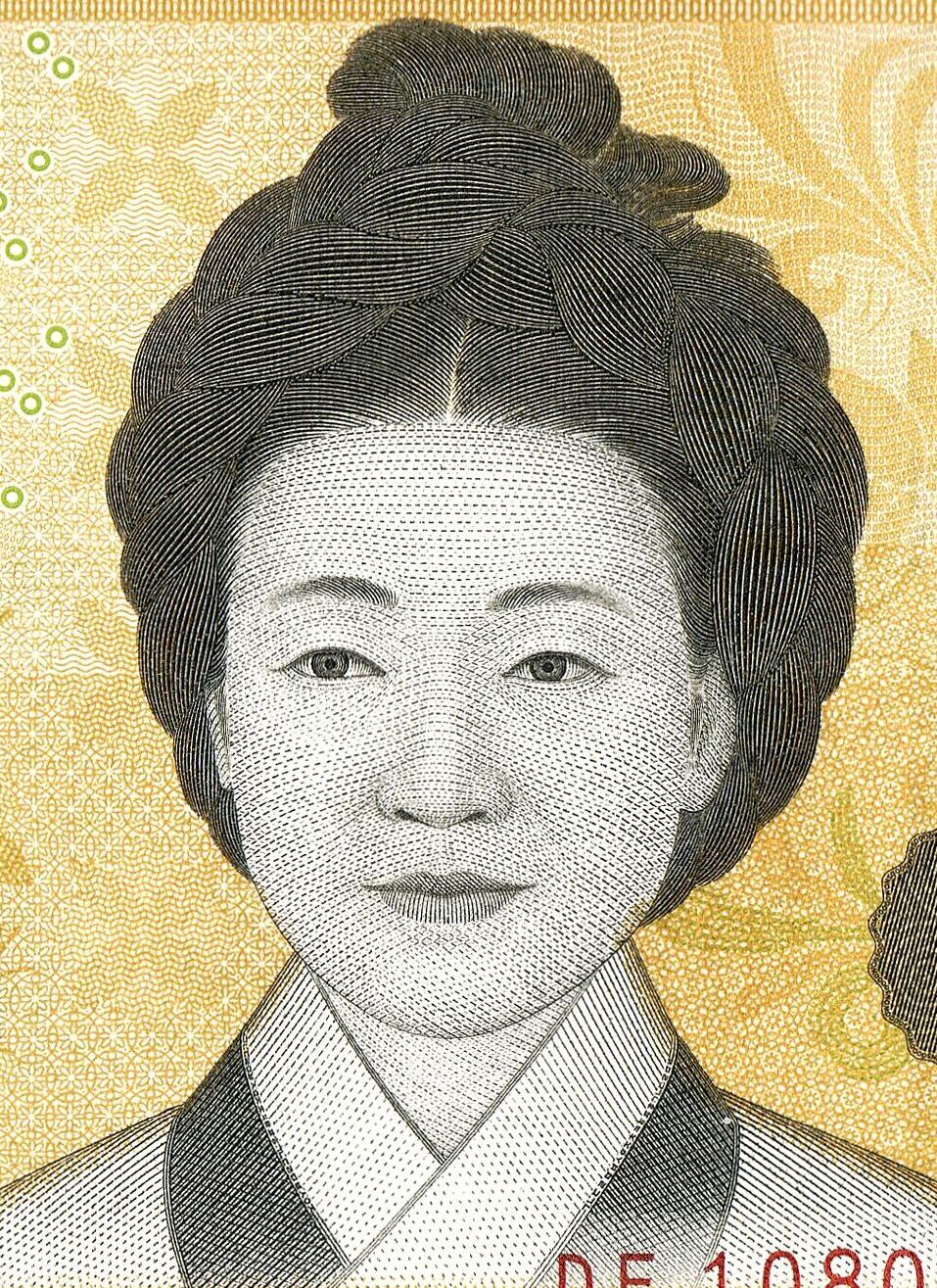
Bank of Korea / Wikimedia Commons (South Korean currency) source Birth of Shin Saimdang, Korean Painter and Poet
Shin Saimdang was a notable artist in the Joseon era of Korea, celebrated for her exquisite paintings of plants and animals. She was also a talented poet and calligrapher, uniquely balancing her creative pursuits with her family responsibilities.
Shin Saimdang remains a cultural icon, embodying the values of creativity, education, and familial duty.
Read more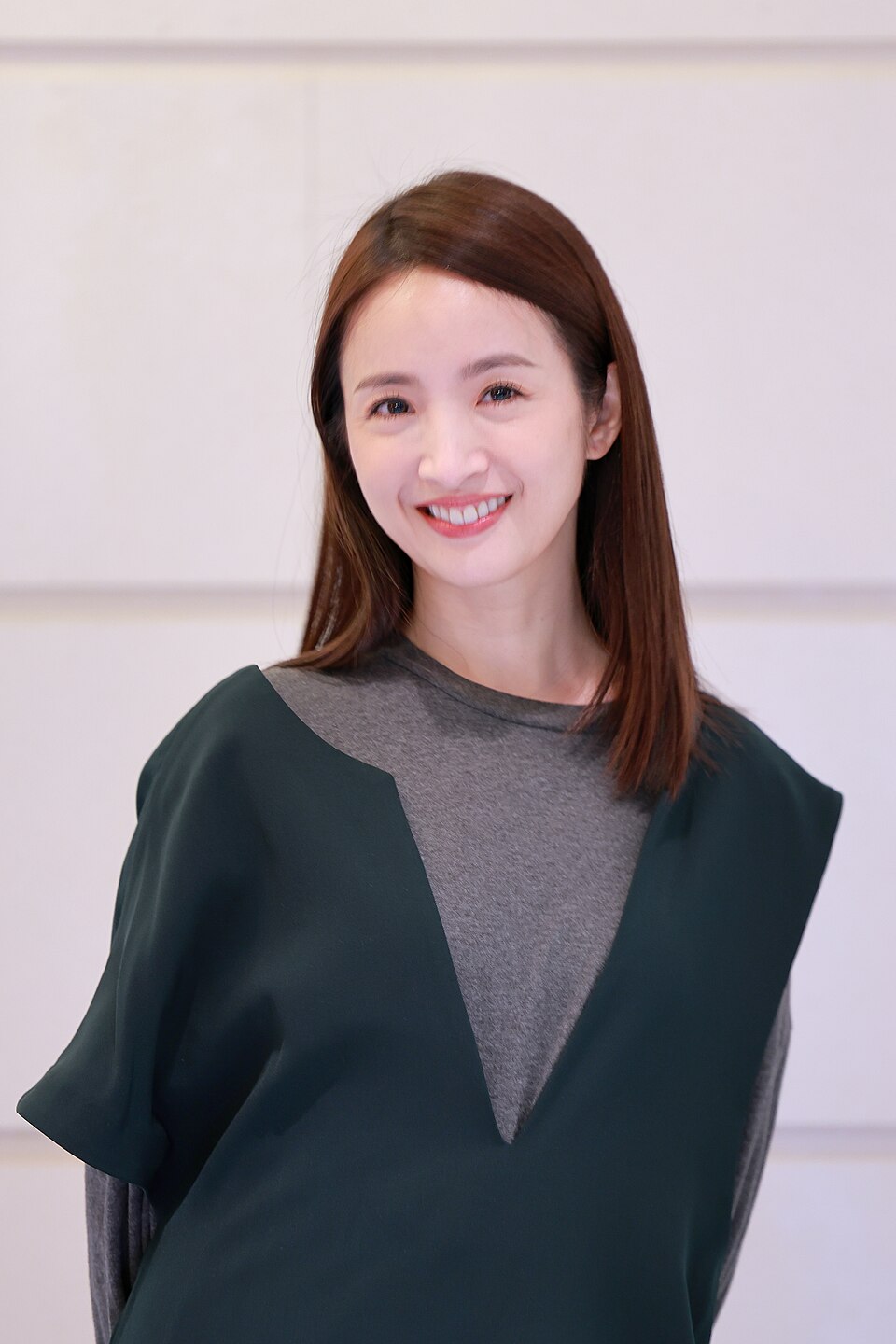
Hsuzy / Wikimedia Commons (CC BY-SA 4.0) sourcelicence Birth of Ariel Lin, Taiwanese Actress and Singer
Ariel Lin, born in Taipei, Taiwan, is a renowned actress and singer known for her roles in popular dramas like 'It Started with a Kiss'. Her impressive career in entertainment has earned her numerous awards and a wide fan base.
Ariel Lin's influence extends across the Chinese-speaking world, inspiring a new generation of artists.
Read more
我梦见了你。
Wǒ mèngjiàn le nǐ.
I dreamed of you.
This sentence shows a simple use of the word 梦 in past tense.
她有一个美丽的梦。
Tā yǒu yī gè měilì de mèng.
She has a beautiful dream.
This shows 梦 as a noun describing an aspiration or vision.
梦想成为科学家。
Mèngxiǎng chéngwéi kēxuéjiā.
Dream of becoming a scientist.
Here, 梦 is part of the compound 梦想, meaning 'dream' as an aspiration.
他的话如梦一般。
Tā de huà rú mèng yībān.
His words are like a dream.
This uses 梦 metaphorically to describe an ethereal or unreal quality.
The use of '做 + 梦'
做 + 梦
In Chinese, '做梦' (zuòmèng) means 'to dream', combining 做 (to do) with 梦 (dream).
Use 做梦 to indicate the act of dreaming during sleep.
我晚上常做梦。
Wǒ wǎnshàng cháng zuòmèng.
I often dream at night.
你昨晚做梦了吗?
Nǐ zuówǎn zuòmèng le ma?
Did you dream last night?
他做了个奇怪的梦。
Tā zuòle gè qíguài de mèng.
He had a strange dream.
What does 梦 mean?
How is 梦 pronounced?
How do you write "dream" in Chinese?
Listen. What does the sentence mean?
昨晚我做了个___。(Last night I had a ___.)
他有一个梦想 — What does this sentence mean?
What philosophical question does Zhuangzi's 'Butterfly Dream' pose?
Arrange into a correct sentence
Which Taiwanese actress and singer was born in 1982?
What is Shin Saimdang known for?
Frequently asked questions about the word 梦
You can say '我昨晚做了一个美好的梦' (Wǒ zuówǎn zuòle yīgè měihǎo de mèng), which means 'I had a beautiful dream last night.'
No, 梦 can also refer to dreams in a metaphorical sense, such as ambitions or aspirations.
梦 refers to dreams while sleeping, while 梦想 (mèngxiǎng) specifically means 'dreams' in the context of aspirations and goals.
Chinese Learner’s Horoscope
Your sign’s reading for today, written for learners.
Find your sign
The Chinese zodiac assigns each birth year one of twelve animals, each paired with an element that colours its character. Yours shapes a reading written for learners.
- Your sign and its elementOne of twelve animals on a 12-year cycle
- A daily affirmationFresh every morning, never repeated
- A learning horoscopeWhat to study today, and when
- A lucky characterWith pinyin, meaning and a study tip
Your birth date
Saved on this device — used only to work out your zodiac sign.
Today's Mandarin word: 梦 (mèng) — dream.
Learn it on Mandarin Temple's Dragon Daily 🐉