
October 23, 2026 · 星期五
Longevity
寿· long life

 Today’s episode with Jason & Amy
In Chinese culture, 寿 symbolizes the deep-rooted wish for a long and harmonious life.
霜降 is the last solar term of autumn, when the first frosts settle over the land and temperatures drop toward winter. White rime coats the morning fields, leaves blaze red and fall, and the harvest draws to a close.
People eat persimmons, said to ward off cold and chapped lips, and in some regions enjoy mutton to build warmth for winter.
Longevity
寿shòu
The concept of longevity, or shòu (寿), holds a significant place in Chinese culture, reflecting a deep respect for life and the natural world. In traditional Chinese art and literature, longevity is often symbolized by peaches and cranes. Peaches, in particular, are associated with the divine gardens of the mythological Queen Mother of the West, where the fruit grants immortality to those who consume it[1]. Cranes, on the other hand, are regarded as celestial birds, believed to live for centuries. Together, these symbols represent the hope for a long and fulfilling life.
In Chinese architecture, the character for longevity, 寿, is frequently found in decorative elements, especially in homes and temples. It is commonly inscribed on plaques or embroidered on fabrics, serving as a constant reminder of the value placed on a long life. During birthday celebrations, particularly for elders, it is customary to display the character 寿 prominently and to offer foods such as longevity noodles, which signify long life due to their unbroken length[2].
The philosophical underpinnings of longevity are also evident in traditional Chinese medicine and Taoist beliefs. Both emphasize harmony with nature and balance in one's lifestyle as keys to achieving a long life. Practices such as qigong and tai chi are not only forms of physical exercise but also meditative practices intended to align the body and mind with natural rhythms, promoting health and longevity[3]. This holistic view of life and health continues to influence lifestyles in modern China, where the pursuit of shòu remains an enduring cultural ideal.
In Chinese culture, 寿 symbolizes the deep-rooted wish for a long and harmonious life.
祝您长命百岁!
Zhù nín cháng mìng bǎi suì!
Wishing you a long life!
- [1] 《山海经》 Classic of Mountains and Seas
- [2] 《红楼梦》 Dream of the Red Chamber
- [3] 《道德经》 Tao Te Ching by Laozi
Jason & Amy on 寿
Podcast: Dragon Daily: Longevity — and the word 寿
Jason & Amy on Longevity and 寿
New here?
October 23, 2026
Today's selection in Chinese cultural history includes influential individuals in music and literature.
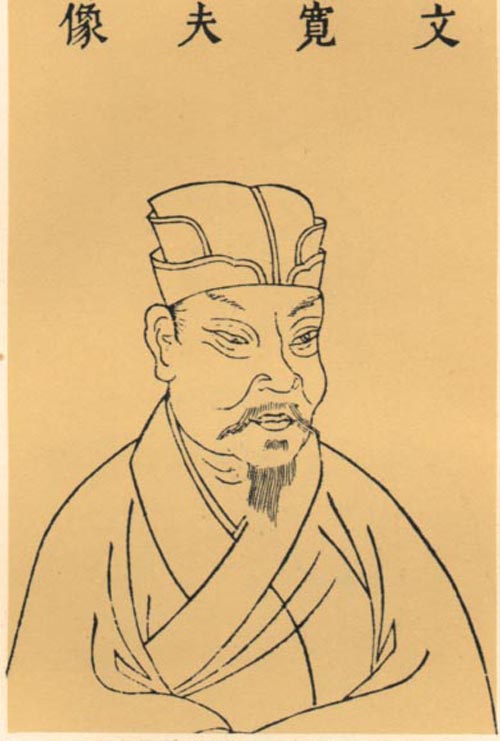
王圻 / Wikimedia Commons (Public domain) source Birth of Wen Yanbo, Chinese Scholar 文彦博
Wen Yanbo was an influential scholar and statesman during the Song dynasty. Known for his literary talent and wisdom, he served as a chancellor and contributed significantly to the administration and culture of the time.
Wen Yanbo's writings and political acumen left a lasting mark on Chinese intellectual and cultural history.
Read more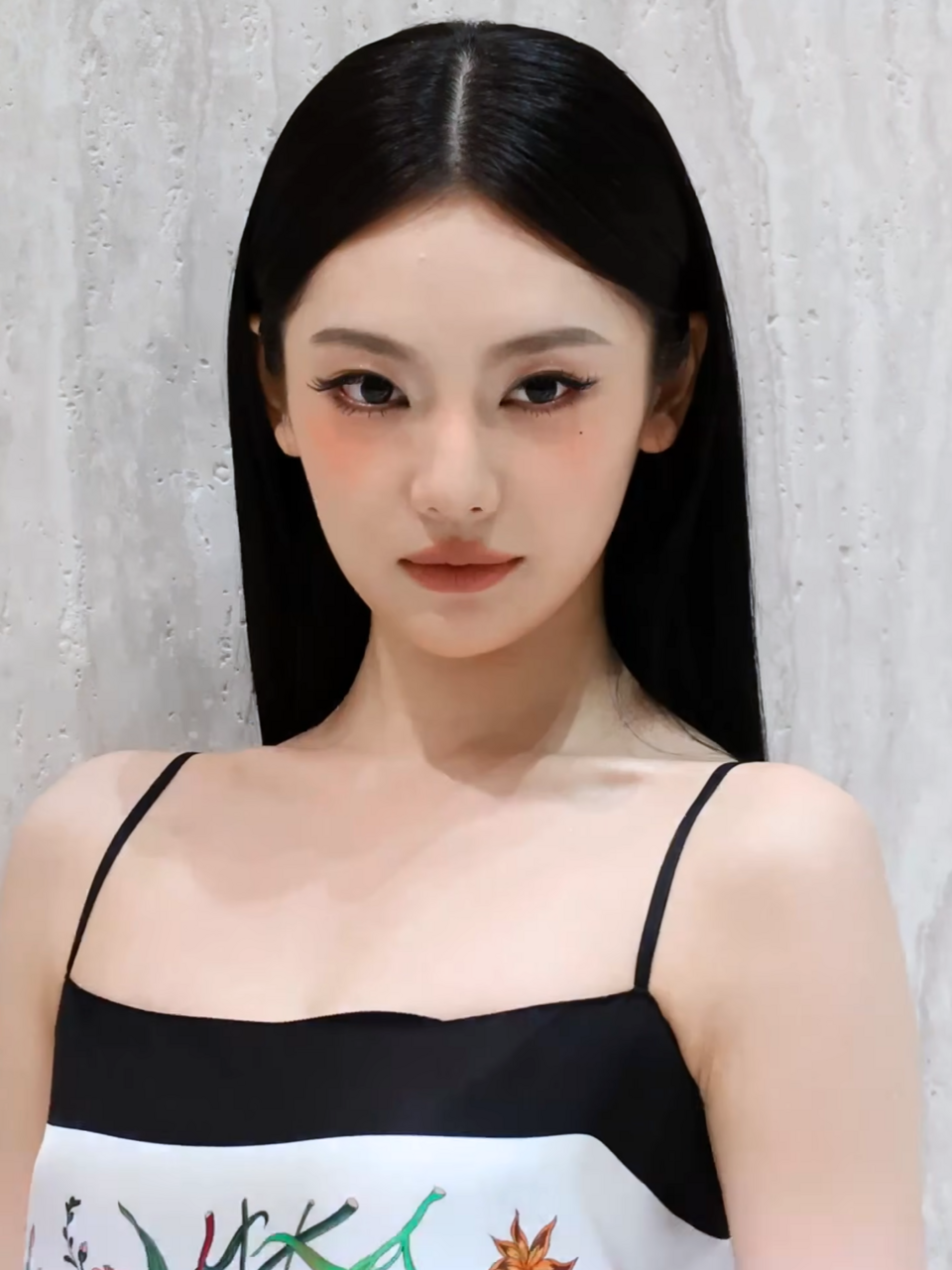
K-POPIT 케이팝잇 / Wikimedia Commons (CC BY 4.0) sourcelicence Birth of Ningning, Chinese Singer 宁宁
Ningning, born in 2002, is a prominent Chinese singer and member of the girl group aespa. She began her career as a trainee in South Korea and gained fame for her vocal talent and charismatic performances.
Ningning is part of the global wave of K-pop, showcasing Chinese talent in the international music scene.
Read more
我祝你寿。
Wǒ zhù nǐ shòu.
I wish you longevity.
This sentence uses 寿 to express a wish for a long life.
寿桃很有名。
Shòu táo hěn yǒumíng.
Longevity peaches are well-known.
The sentence refers to peaches as symbols of longevity.
长寿是福。
Cháng shòu shì fú.
Longevity is a blessing.
This sentence uses 寿 to highlight the value of a long life.
追求寿是一种文化。
Zhuīqiú shòu shì yī zhǒng wénhuà.
The pursuit of longevity is a cultural aspect.
This sentence uses 寿 in a more abstract cultural context.
Using 离合词 with 得
verb + 得 + complement
This pattern is used to express how well or to what degree an action is performed.
Use this pattern to describe the result of an action.
他跑得很快。
Tā pǎo de hěn kuài.
He runs very fast.
她说得很好。
Tā shuō de hěn hǎo.
She speaks very well.
我们玩得很开心。
Wǒmen wán de hěn kāixīn.
We had a great time.
What does 寿 mean?
How is 寿 pronounced?
How do you write "long life" in Chinese?
Listen. What does the sentence mean?
愿你___长久。(May you ___ endure.)
长寿是福 — What does this sentence mean?
Which symbol is NOT traditionally associated with longevity in Chinese culture?
Arrange into a correct sentence
Which modern music group is Ningning a part of?
What era did Wen Yanbo contribute to?
Frequently asked questions about the word 寿
You can say '祝你长寿' (zhù nǐ cháng shòu) which means 'Wishing you longevity'.
No, while it is commonly used for birthdays, it can also refer to any context regarding long life or age.
A popular expression is '寿比南山' (shòu bǐ nánshān), which means 'May your life be as long as the Southern mountains'.
Chinese Learner’s Horoscope
Your sign’s reading for today, written for learners.
Find your sign
The Chinese zodiac assigns each birth year one of twelve animals, each paired with an element that colours its character. Yours shapes a reading written for learners.
- Your sign and its elementOne of twelve animals on a 12-year cycle
- A daily affirmationFresh every morning, never repeated
- A learning horoscopeWhat to study today, and when
- A lucky characterWith pinyin, meaning and a study tip
Your birth date
Saved on this device — used only to work out your zodiac sign.
Today's Mandarin word: 寿 (shòu) — long life.
Learn it on Mandarin Temple's Dragon Daily 🐉