

October 22, 2026 · 星期四
Courage
勇· brave

 Today’s episode with Jason & Amy
In Chinese culture, courage (勇) is most respected when combined with righteousness, reflecting a deep-rooted value in moral integrity.
寒露 marks the point when the dew turns cold and may verge on frost, signaling a sharper, deeper autumn chill. The air grows dry and brisk, migrating birds head south, and chrysanthemums come into bloom.
People climb heights to admire the autumn views, enjoy chrysanthemums, and in some places drink chrysanthemum wine for health.
Courage
勇yǒng
Courage, or 勇 (yǒng), is a quality deeply valued in Chinese culture, often linked with righteousness. While daring acts might grab attention, it is courage paired with moral integrity that is truly celebrated. This concept can be found in classic Chinese literature and philosophy, where characters are often lauded for their bravery and righteous actions rather than for reckless audacity.
Confucianism, one of the cornerstones of Chinese thought, emphasizes the importance of courage in the context of moral behavior. According to Confucius, true courage is not just about physical bravery but also about standing up for what is right, even when it is difficult. This perspective is reflected in many classic texts, such as the Analects (论语), where Confucius discusses the virtues of a gentleman, including courage guided by righteousness [1].
In Chinese literature, heroes are often portrayed as figures who embody this ideal. For instance, in the classic novel 'Water Margin' (水浒传), the characters are celebrated not only for their bravery in battle but also for their commitment to justice and loyalty. This portrayal reinforces the cultural belief that courage should be exercised with a strong sense of ethical duty. Such stories have influenced Chinese values for generations, encouraging individuals to act with courage that seeks to uphold fairness and morality.
Today, the concept of 勇 continues to inspire, reminding people that true bravery is not simply about fearlessness, but about maintaining integrity and doing what is right in all aspects of life. This enduring value is a testament to the rich cultural heritage that underscores the importance of moral courage over mere daring.
In Chinese culture, courage (勇) is most respected when combined with righteousness, reflecting a deep-rooted value in moral integrity.
勇气来自内心。
Yǒngqì láizì nèixīn.
Courage comes from the heart.
- [1] The Analects of Confucius (《论语》)
Jason & Amy on 勇
Podcast: Dragon Daily: Courage — and the word 勇
Jason & Amy on Courage and 勇
New here?
October 22, 2026
Today in Chinese cultural history, we explore an astronomical event and celebrate a figure in traditional Chinese opera.
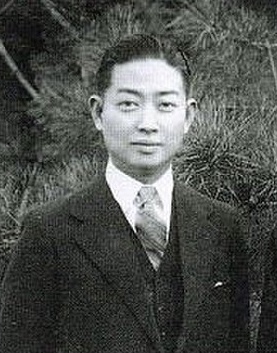
Unknown author Unknown author / Wikimedia Commons (Public domain) source Birth of Mei Lanfang, Iconic Chinese Opera Performer 梅兰芳
Mei Lanfang was born, becoming one of the most renowned figures in Peking Opera. Known for his performances of female roles, Mei brought fame to Chinese opera both domestically and internationally.
Mei Lanfang's work paved the way for global recognition of Peking Opera as a vital form of Chinese cultural expression.
Read more
Fred Espenak / Wikimedia Commons (Public domain) source One of the Earliest Recorded Solar Eclipses 中国最早记录之一的日食
A solar eclipse occurred over China, marking one of the earliest known records of such an event. This eclipse was significant in advancing ancient Chinese astronomical studies and understanding celestial phenomena.
This event underscores the early Chinese interest in astronomy and celestial observation.
Read more
他很勇。
Tā hěn yǒng.
He is very brave.
A simple sentence showing the basic use of 勇.
勇气需要时间。
Yǒngqì xūyào shíjiān.
Courage takes time.
Shows how 勇气 (courage) is used in a sentence.
她以勇闻名。
Tā yǐ yǒng wénmíng.
She is known for her courage.
Describes someone being famous for their courage.
勇与正义不可分。
Yǒng yǔ zhèngyì bùkěfēn.
Courage and righteousness are inseparable.
Highlights the cultural belief that courage should be paired with righteousness.
The use of 需要 (xūyào) with nouns
需要 + noun
The verb 需要 means 'to need' and is commonly followed by a noun to express a necessity for something.
Use 需要 to describe a need or requirement for something.
我需要帮助。
Wǒ xūyào bāngzhù.
I need help.
他需要勇气。
Tā xūyào yǒngqì.
He needs courage.
我们需要时间。
Wǒmen xūyào shíjiān.
We need time.
What does 勇 mean?
How is 勇 pronounced?
How do you write "brave" in Chinese?
Listen. What does the sentence mean?
他以___闻名。(He is famous for his ___.)
勇气来自内心。— What does this sentence mean?
In Chinese culture, what is often paired with 勇 to signify true bravery?
Arrange into a correct sentence
What significant astronomical event occurred in China in 2137 BC?
Why is Mei Lanfang significant in the history of Peking Opera?
Frequently asked questions about the word 勇
'勇' is pronounced as 'yǒng' with a third tone, which is a rising tone.
'勇' is more commonly used in spoken language or informal contexts. In formal writing, you might see it paired with more academic terms.
Common phrases include '勇敢' (yǒnggǎn, courageous) and '勇气' (yǒngqì, bravery).
Chinese Learner’s Horoscope
Your sign’s reading for today, written for learners.
Find your sign
The Chinese zodiac assigns each birth year one of twelve animals, each paired with an element that colours its character. Yours shapes a reading written for learners.
- Your sign and its elementOne of twelve animals on a 12-year cycle
- A daily affirmationFresh every morning, never repeated
- A learning horoscopeWhat to study today, and when
- A lucky characterWith pinyin, meaning and a study tip
Your birth date
Saved on this device — used only to work out your zodiac sign.
Today's Mandarin word: 勇 (yǒng) — brave.
Learn it on Mandarin Temple's Dragon Daily 🐉