
October 24, 2026 · 星期六
The God of Wealth
财· money

 Today’s episode with Jason & Amy
The character 财 represents not just money, but the broader cultural value of prosperity and success.
霜降 is the last solar term of autumn, when the first frosts settle over the land and temperatures drop toward winter. White rime coats the morning fields, leaves blaze red and fall, and the harvest draws to a close.
People eat persimmons, said to ward off cold and chapped lips, and in some regions enjoy mutton to build warmth for winter.
The God of Wealth
财cái
The God of Wealth, known as 财神 (Cáishén), plays a significant role in Chinese culture, especially during the Chinese New Year celebrations. This deity is revered as the bringer of prosperity and is often depicted as a jovial figure, showering gold and riches upon his devotees. During the New Year, people express wishes for wealth and success by inviting the God of Wealth into their homes, a practice that symbolizes an auspicious start to the year[1].
The character 财 (cái), meaning 'wealth' or 'money', is central to this tradition. It serves as a reminder of the importance of financial well-being and success in personal and communal life. The phrase '恭喜发财' (gōngxǐ fācái), which translates to 'congratulations on your wealth', is commonly exchanged among friends and family, indicating good wishes for prosperity[2]. This phrase highlights the cultural significance of 财 as an emblem of economic fortune.
In addition to its role during the New Year, the concept of 财 extends to various aspects of Chinese life, including art and literature. For example, in traditional Chinese paintings, the God of Wealth is often depicted alongside symbols of abundance like gold ingots and overflowing treasure chests. These images serve as visual affirmations of the desire for 财, reinforcing its value and the hope it brings for a prosperous future[3]. As we celebrate October 24th, it is a time to reflect on the cultural importance of 财 and its enduring significance in bringing wealth and good fortune.
The character 财 represents not just money, but the broader cultural value of prosperity and success.
愿你财源滚滚。
Yuàn nǐ cáiyuán gǔngǔn.
May wealth flow in abundance for you.
- [1] 《封神演义》 (Fengshen Yanyi) — a classic Chinese novel depicting mythological and historical figures, including the God of Wealth.
- [2] 《红楼梦》 (Dream of the Red Chamber) — a classic work highlighting the role of wealth in Chinese society.
- [3] 《中国民间美术》 (Chinese Folk Art) — a detailed exploration of traditional Chinese art forms and symbolism.
Jason & Amy on 财
Podcast: Dragon Daily: The God of Wealth — and the word 财
Jason & Amy on The God of Wealth and 财
New here?
October 24, 2026
Today takes us on journeys both earthly and celestial, featuring groundbreaking architecture and lunar exploration.
Birth of Ding Liren, Chess Grandmaster 丁立人
Ding Liren, a prominent Chinese chess grandmaster, was born. Known for his strategic acuity, Ding achieved numerous victories in international chess tournaments and is considered one of the strongest players from China.
Ding Liren continues to inspire a new generation of chess enthusiasts in China.
Read more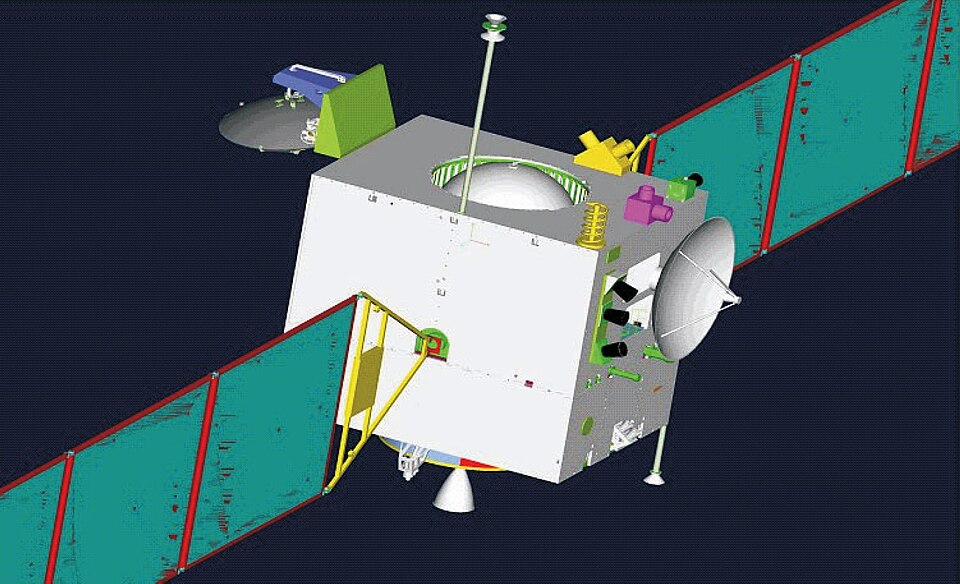
Nasa / Wikimedia Commons (Public domain) source Launch of Chang'e 1 嫦娥一号
Chang'e 1, the first satellite in the Chinese Lunar Exploration Program, was launched from Xichang Satellite Launch Center. It successfully mapped the lunar surface, providing valuable data for future missions.
As China's inaugural lunar satellite, Chang'e 1 marked the beginning of China’s exploration beyond Earth.
Read moreChang'e 5-T1 Launches for Lunar Mission 嫦娥五号-T1
The China National Space Administration launched Chang'e 5-T1, an experimental mission designed to test re-entry procedures by orbiting around the Moon and returning to Earth. This mission provided crucial data for future lunar expeditions.
Chang'e 5-T1 paved the way for more advanced lunar missions, contributing to China's growing space exploration capabilities.
Read more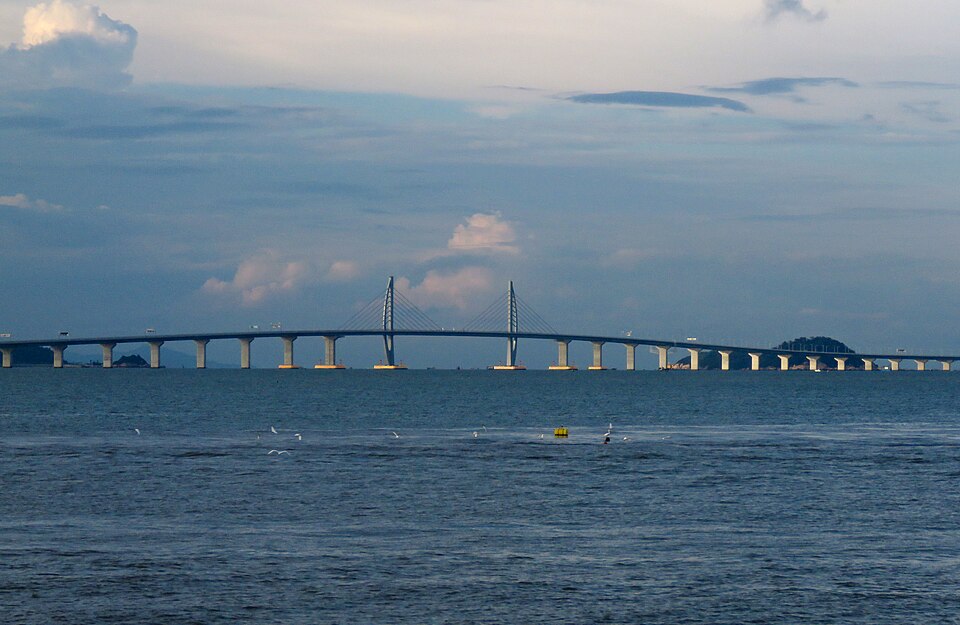
N509FZ / Wikimedia Commons (CC BY-SA 4.0) sourcelicence Hong Kong–Zhuhai–Macau Bridge Opens 港珠澳大桥
The Hong Kong–Zhuhai–Macau Bridge, the world's longest sea crossing, opened for public traffic. It connects Hong Kong, Zhuhai, and Macau, spanning 55 kilometers and reducing the travel time between these regions significantly.
The bridge serves as a marvel of modern engineering and enhances regional connectivity.
Read more
我有很多财。
Wǒ yǒu hěn duō cái.
I have a lot of money.
This sentence shows the basic use of 财 to mean money or wealth.
他的财运很好。
Tā de cáiyùn hěn hǎo.
His fortune is very good.
Here, 财 is used in 财运, meaning financial fortune.
我们要管理好财务。
Wǒmen yào guǎnlǐ hǎo cáiwù.
We need to manage finances well.
财 is part of 财务, which means finances.
财富不仅是金钱。
Cáifù bùjǐn shì jīnqián.
Wealth is not just money.
In this context, 财 is part of 财富, reflecting a broader concept of wealth.
得 + Verb
得 + Verb
This pattern is used to express necessity or obligation.
Use this pattern to indicate something must be done.
你得去银行。
Nǐ děi qù yínháng.
You must go to the bank.
他得工作。
Tā děi gōngzuò.
He must work.
我们得学习。
Wǒmen děi xuéxí.
We must study.
What does 财 mean?
How is 财 pronounced?
How do you write "wealth" in Chinese?
Listen. What does the sentence mean?
他有很多___。(He has a lot of ___.).
他的财运很好。 — What does this sentence mean?
What is a common phrase to wish someone prosperity in Chinese?
Arrange into a correct sentence
Which bridge opened as the world's longest sea crossing in 2018?
What was the purpose of the Chang'e 5-T1 mission?
Frequently asked questions about the word 财
You can say: '我希望未来能有更多的财富' (I hope to have more wealth in the future).
While primarily related to wealth and money, 财 can also refer to valuable resources or assets in a broader sense.
财 refers to wealth or valuables in a broader sense, while 钱 specifically means money.
Chinese Learner’s Horoscope
Your sign’s reading for today, written for learners.
Find your sign
The Chinese zodiac assigns each birth year one of twelve animals, each paired with an element that colours its character. Yours shapes a reading written for learners.
- Your sign and its elementOne of twelve animals on a 12-year cycle
- A daily affirmationFresh every morning, never repeated
- A learning horoscopeWhat to study today, and when
- A lucky characterWith pinyin, meaning and a study tip
Your birth date
Saved on this device — used only to work out your zodiac sign.
Today's Mandarin word: 财 (cái) — money.
Learn it on Mandarin Temple's Dragon Daily 🐉