

September 3, 2026 · 星期四
Opera Singing
唱腔· to sing

 Today’s episode with Jason & Amy
Chàngqiāng is a key element of Chinese opera, highlighting the importance of song in cultural storytelling.
处暑 signals that the oppressive summer heat is finally retreating, with 处 here meaning to halt or withdraw. Mornings and evenings turn crisp, the air loses its heaviness, and the harvest of autumn crops begins.
Coastal communities hold fishing festivals to celebrate the open season, and people eat duck, believed to nourish the body in autumn.
Opera Singing
唱腔chàng qiāng
Opera singing, known as chàngqiāng (唱腔), is a unique and integral part of Chinese opera, blending music, storytelling, and drama into a single art form. This type of singing is distinguished by its elongated, ornamented musical lines that stretch the syllables in a way that enhances the emotional and dramatic expression of the performance[1]. Unlike Western opera, which often emphasizes vocal power and range, Chinese opera relies more on the precise articulation and tonal beauty of the lyrics. This makes chàngqiāng not just a singing technique but a sophisticated form of musical storytelling.
Chinese opera has a long history, with various regional styles each having their specific chàngqiāng. For example, Peking opera, one of the most famous forms, employs a particular chàngqiāng that requires the singer to masterfully manipulate their voice to convey complex emotions and narratives[2]. The training for opera singers is rigorous, often starting from a young age, to develop the necessary skills in voice control and breath management. The ability to sing (唱) with the right tone and emotion is crucial to the authenticity and success of a performance.
Today's date in the lunar calendar is particularly significant as it falls in the month often associated with festivals and cultural performances, including opera. It's a time when the art of chàngqiāng is celebrated, reminding us of the rich cultural heritage it represents. The word 唱, meaning "to sing," is central to understanding this art form, as it captures the essence of what the performers aim to do: bring stories to life through their voices. As we reflect on this, we appreciate how chàngqiāng continues to be a vibrant part of Chinese cultural expression, connecting audiences with the past and present through its melodious storytelling.
Chàngqiāng is a key element of Chinese opera, highlighting the importance of song in cultural storytelling.
今天我们听唱戏。
Jīntiān wǒmen tīng chàngxì.
Today we listen to opera singing.
- [1] UNESCO: The Art of Chinese Traditional Opera, 2010
- [2] Chou, J. (2015). The Essence of Peking Opera Music. Beijing: Chinese Arts Press.
Jason & Amy on 唱
Podcast: Dragon Daily: Opera Singing — and the word 唱
Jason & Amy on Opera Singing and 唱
New here?
September 3, 2026
Today marks the notable contributions of Hong Kong singer-songwriter Daniel Chan and the recognition of a celebrated period in Chinese history.
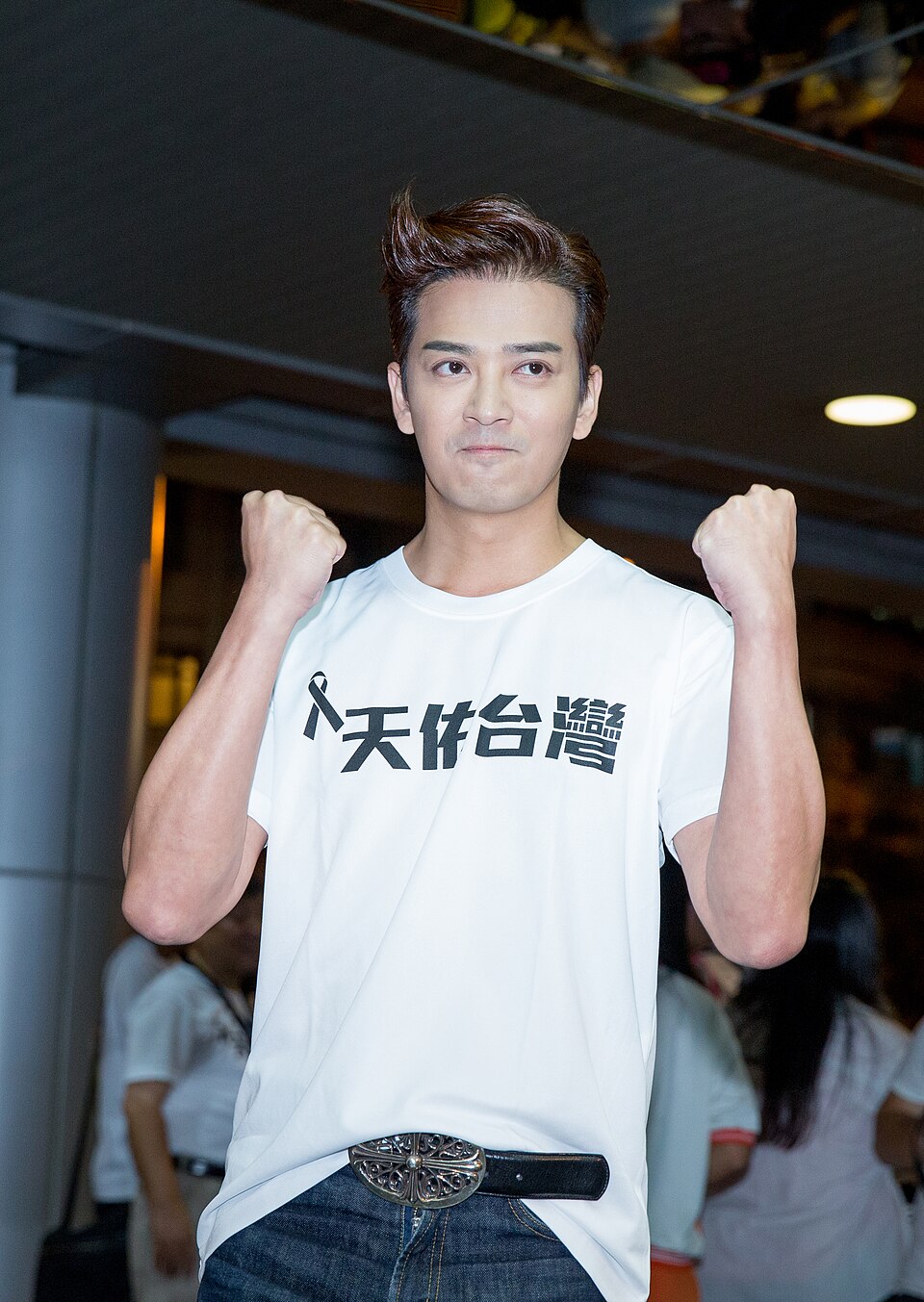
https://www.flickr.com/people/h5712180000/ / Wikimedia Commons (CC BY-SA 2.0) sourcelicence Birth of Daniel Chan, Singer-Songwriter 陈浩民
Daniel Chan, born in Hong Kong, is a popular singer-songwriter and actor known for his contributions to Cantopop. He has released numerous albums and has a significant fan base in Asia.
Daniel Chan's work helped shape the Cantopop scene, influencing Hong Kong's music culture.
Read more
他喜欢唱歌。
Tā xǐhuān chànggē.
He likes to sing.
Simple sentence showing how 唱 is used to mean 'to sing'.
她唱得很好听。
Tā chàng de hěn hǎotīng.
She sings very nicely.
Shows how 唱 can describe the quality of singing.
我们去听京剧唱腔。
Wǒmen qù tīng jīngjù chàngqiāng.
We go to listen to Peking opera singing.
Connects 唱 to the cultural context of opera singing.
他的生活如同一段悠扬的唱腔。
Tā de shēnghuó rútóng yī duàn yōuyáng de chàngqiāng.
His life is like a melodious opera singing.
Metaphorical use of 唱, comparing life to a song.
Using 得 to describe actions
verb + 得 + adjective
This pattern is used to describe how well or to what extent an action is performed.
Use it to comment on the quality of an action, like singing or running.
他唱得很好。
Tā chàng de hěn hǎo.
He sings very well.
她跑得很快。
Tā pǎo de hěn kuài.
She runs very fast.
他们跳得很高兴。
Tāmen tiào de hěn gāoxìng.
They dance happily.
What does 唱 mean?
How is 唱 pronounced?
How do you write "to sing" in Chinese?
Listen. What does the sentence mean?
我们去___歌。(We go to ___ songs.)
他喜欢唱歌。 — What does this sentence mean?
What is chàngqiāng?
Arrange into a correct sentence
What genre is Daniel Chan associated with?
What does the Victory over Japan Day celebration in 1945 signify?
Frequently asked questions about the word 唱
唱 (chàng) means 'to sing' in general, while 唱歌 (chànggē) specifically means 'to sing a song.'
Yes, 唱 can refer to any form of singing, but it's often used in informal contexts.
You can say '我喜欢唱歌' (Wǒ xǐhuān chànggē), meaning 'I like to sing songs.'
Chinese Learner’s Horoscope
Your sign’s reading for today, written for learners.
Find your sign
The Chinese zodiac assigns each birth year one of twelve animals, each paired with an element that colours its character. Yours shapes a reading written for learners.
- Your sign and its elementOne of twelve animals on a 12-year cycle
- A daily affirmationFresh every morning, never repeated
- A learning horoscopeWhat to study today, and when
- A lucky characterWith pinyin, meaning and a study tip
Your birth date
Saved on this device — used only to work out your zodiac sign.
Today's Mandarin word: 唱 (chàng) — to sing.
Learn it on Mandarin Temple's Dragon Daily 🐉