Chinese Grammar Points
HSK 1
Beginner








54 grammar points covering everything from basic word order to complex sentence patterns. Each point includes clear explanations, real-world examples, and exercises to reinforce your learning.
grammar
The foundation of every sentence you will ever build in Chinese.
Band 1 Requirements
Official HSK 3.0 quantitative criteria — what you need to know and how you'll be tested.
Exam Structure
| Section | Questions | Duration |
|---|---|---|
| Listening | 20 | ~15 min |
| Reading | 20 | ~17 min |
Proficiency Standards
Understand simple dialogues within 80 characters, spoken clearly at 100+ characters per minute, with picture or object support.
Pronounce all Band 1 syllables correctly. Hold basic interactions using Band 1 vocabulary and grammar on familiar topics.
Recognize syllables, characters, and vocabulary at 80+ characters per minute. Read signs and extract information from simple documents.
Handwrite 100 required characters at 10+ characters per minute. Demonstrate stroke knowledge and write basic personal information and simple notes.
Source: 新版HSK考试大纲 (HSK 3.0 official syllabus, 国家汉办 / Chinese Testing International). Score validity: 2 years from exam date.
What's Inside Every Grammar Point
Each of our grammar points is a complete mini-lesson. We don't just tell you the rule — we show you how it works with real sentences, warn you about the traps other learners fall into, and give you exercises to make it stick. Whether you're studying for the HSK exam or building conversational fluency, every point is designed to take you from "I've seen this before" to "I can use this confidently." Clear, structured, and built for lasting progress — not just memorization.
Sentence Patterns
Every grammar point starts with a clear, visual pattern template showing exactly where each word goes. No guesswork — just fill in the slots and build correct sentences from day one.
In-Depth Explanations
Each point comes with a thorough breakdown of how the grammar works, why it exists, and how native speakers actually think about it. Cultural notes add the context textbooks leave out.
Real-World Examples
Every rule is backed by graded example sentences — from simple beginner phrases to natural conversational Chinese. Each example includes pinyin, English translation, and usage notes so nothing is left unclear.
Common Mistakes
Learn what not to say. Each grammar point highlights the mistakes Chinese learners actually make, with side-by-side wrong vs. correct comparisons and clear explanations of why the error happens.
Interactive Exercises
Put your understanding to the test with multiple-choice questions, fill-in-the-blank drills, and translation challenges. Instant feedback and explanations help you learn from every attempt.
Tips & Study Strategies
Practical memory tricks, mnemonics, and study advice written by experienced Chinese teachers. Each grammar point ends with homework prompts to keep your practice focused and consistent.
Audio Pronunciations
Hear every example sentence and key vocabulary spoken by native Mandarin speakers. Train your ear alongside your grammar — because understanding spoken Chinese is just as important as reading it.
Progress Tracking
Earn XP and unlock checkpoints as you work through each grammar point. Track your mastery across sections, monitor your study streaks, and watch your understanding grow from beginner to confident speaker.
Location Words
方位名词
Say where things are using location words like 上/下/里/外/前/后
Modal Verbs: 会 & 能
能愿动词:会/能
Talk about ability and possibility using 会 and 能
Expressing Wants: 想 & 要
能愿动词:想/要
Express desires and intentions using 想 and 要
Question Words
疑问代词
Ask basic information questions using question words
Personal Pronouns
人称代词
Use personal pronouns naturally, including polite 您
Demonstrative Pronouns
指示代词
Point out people, things, and places using this/that
Numbers & Counting
数词
Read and say numbers including halves
Measure Words
名量词
Use basic measure words correctly
Degree Adverbs
程度副词
Describe degree and express opinions with 很/非常/太/真/最
Scope Adverbs: 都 & 一起
范围/协同副词
Say "all" and "together" naturally
Time Adverbs
时间副词
Sequence actions and describe ongoing events
Frequency & Repetition
频率/重复副词
Talk about habits and ask to do things again
Adding Info: 还 & 也
关联副词:还/也
Add information naturally using "also" and "still"
Negation: 不, 没, & 别
否定副词
Negate actions and states correctly
Separable Verbs (离合词)
离合词
Use verb-object compounds that split apart in real sentences
Preposition: 在 (at/in)
介词:在
Say where an action takes place
Introducing the Other Party: 和 & 对
介词:和/对
Use 和 / 对 to mark the person an action is done WITH or TOWARDS
Noun-Predicate Sentences (主谓句3)
名词谓语句
Drop 是 and let a noun, number, or age stand as the predicate
Connecting Words: 和, 跟 & 还是
连接词
Connect nouns and offer choices
Structural Particle: 的
结构助词:的
Use 的 to attach modifiers and ownership to nouns
The 了 Particle: Completed Actions
动态助词:了
Mark completed actions with 了
Sentence Particles: 吧, 了, 吗, 呢
语气助词
Sound natural with suggestion, change, question, and ongoing-tone particles
Quantity Phrases
数量短语
Produce clean number + measure word chunks
The Subject
主语
Identify and use subjects correctly in Chinese sentences
The Predicate
谓语
Understand what the subject 'does' or 'is'
The Object
宾语
Place objects correctly after verbs
Attributive Modifiers
定语
Describe nouns with modifiers before them
Adverbial Modifiers
状语
Put time, place, and manner before the verb
Verb-Predicate Sentences
动词谓语句
Make basic action sentences
Adjective-Predicate Sentences
形容词谓语句
Describe states using adjectives as predicates (no 'is' needed!)
Subjectless Sentences
非主谓句
Use short exclamations and situation statements
Making Statements
陈述句
State facts and preferences clearly
Four Types of Questions
疑问句类型
Recognize and produce the 4 key question types
Commands & Requests
祈使句
Give commands and make polite requests
Exclamations
感叹句
Express strong feelings and reactions
Sentences with 是
"是"字句
Use 是 for identity, description, and existence
Sentences with 有: Have & Exist
"有"字句
Say 'have' and 'there is/are'
Existential Sentences (存现句)
存现句
Describe what is located somewhere using place-first word order
Compound Sentences
并列复句
Join clauses smoothly
了 for Change of State
变化态:了
Express 'it's changed now' with sentence-final 了
了 for Completed Actions
完成态:了
Express completed actions with specific results
Actions in Progress
进行态
Talk about actions happening right now
Talking About Money
钱数表示法
Read and say prices naturally
Telling Time & Dates
时间表示法
Tell dates, days, and clock time
Yes/No Questions with 吗
用"吗"提问
Form yes/no questions by adding 吗
Information Questions
用疑问代词提问
Ask for specific information
Serial Verb Sentences (连动句)
连动句
Chain two verbs in time order, or use one verb as the means for another
A-not-A Questions
正反疑问
Ask 'is it or not?' style questions
Ditransitive Sentences (双宾语句)
双宾语句
Give, tell, teach — verbs that take TWO objects in a row
Verb-Quantity Complements (数量补语)
数量补语
Say HOW MANY TIMES an action happened using V + number + 次
Time Measure Words (时量词)
时量词
Use 日 / 号 / 岁 / 点 / 分 / 年 / 天 to count time itself
Prefixes & Suffixes (词缀)
词缀(前缀 / 后缀)
Recognise the HSK 1 bound morphemes: 小—, 第—, —们, —边
Ordinal Numbers: 第 + Number
序数表达法
Build first, second, third … using 第 + number + (measure word + noun)
Interjections (叹词)
叹词
Use 喂 (and friends) to open phone calls, get attention, and react
Recommended books
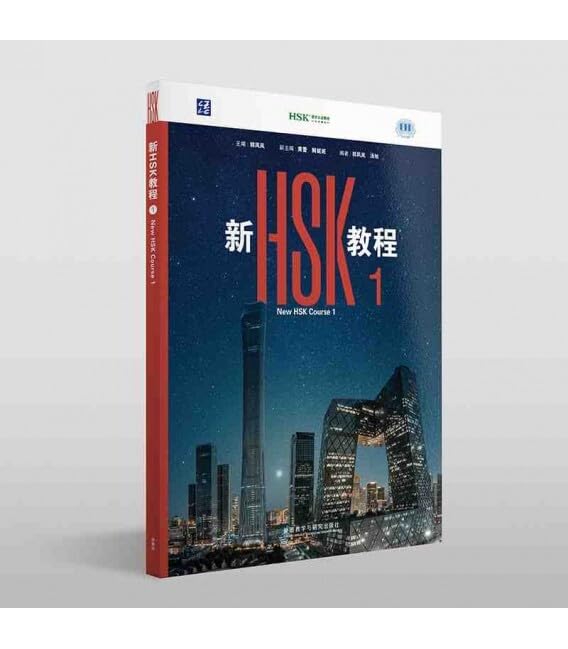
Books chosen for HSK 1 — grammar references and course books that cover the patterns on this page. Full list on the HSK 1 books page.
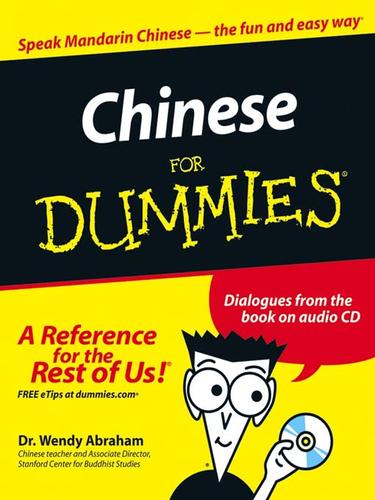
Chinese for Dummies
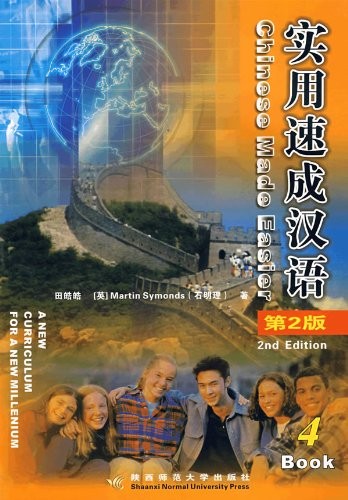
Chinese Made Easier
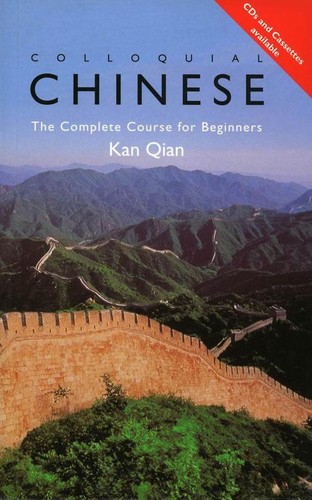
Colloquial Chinese
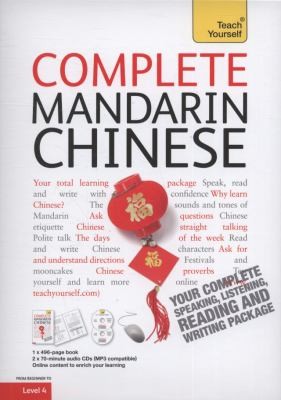
Complete Mandarin Chinese
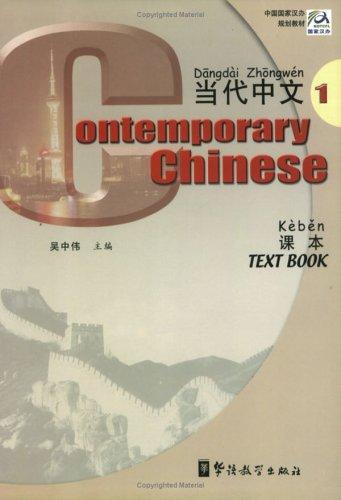
Contemporary Chinese (当代中文)
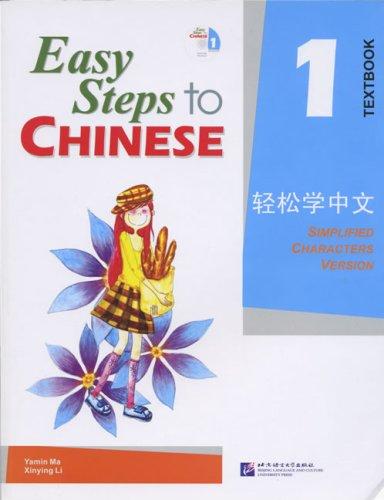
Easy Steps to Chinese 1
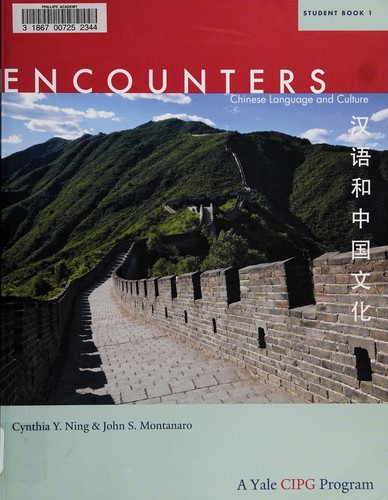
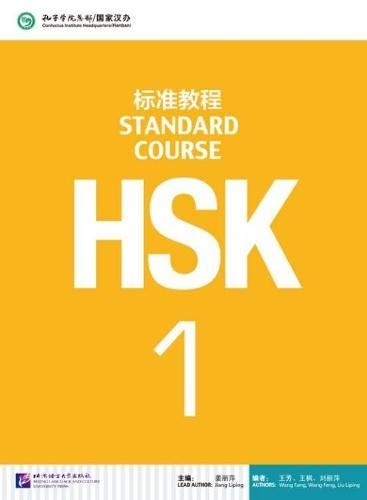
HSK Standard Course 1
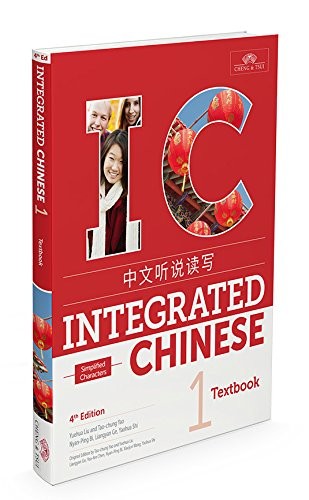
Integrated Chinese