

August 30, 2026 · 星期日
Comic Crosstalk
相声· sound

 Today’s episode with Jason & Amy
Comic Crosstalk showcases the artful use of sound to create humor.
处暑 signals that the oppressive summer heat is finally retreating, with 处 here meaning to halt or withdraw. Mornings and evenings turn crisp, the air loses its heaviness, and the harvest of autumn crops begins.
Coastal communities hold fishing festivals to celebrate the open season, and people eat duck, believed to nourish the body in autumn.
Comic Crosstalk
相声xiāng shēng
Comic Crosstalk, or Xiàngsheng (相声), is a quintessential form of Chinese comedic performance that has entertained audiences for generations. It typically involves two performers engaging in a fast-paced dialogue filled with puns, jokes, and witty banter. The essence of Xiàngsheng lies in its lively interplay of words and sounds, which requires the performers to have excellent timing and a deep understanding of language nuances. This art form is not only about humor but also about the clever use of language to create a harmonious and memorable experience for listeners[1].
Xiàngsheng has a rich history, tracing back to the Qing Dynasty when it began as a street performance in Beijing. Over the years, it has evolved to include a wide variety of themes and styles, while maintaining its core focus on verbal dexterity. The performers, known as xiàngsheng yǎnyuán (相声演员), are often highly skilled in manipulating shēng (声), or sound, to enhance comedic effects. This mastery of sound is crucial as it allows them to deliver punchlines with precision and engage the audience effectively[2].
Today, Xiàngsheng remains a popular form of entertainment in China, often featured in festivals, television shows, and even international performances. Modern Xiàngsheng artists continue to innovate, incorporating contemporary issues and diverse cultural references, while preserving the traditional elements that define this unique art form. The enduring appeal of Xiàngsheng is testament to its ability to adapt and resonate with audiences across different generations, showcasing the power of sound and language in bringing people together through laughter.
Comic Crosstalk showcases the artful use of sound to create humor.
相声很有趣。
Xiàngsheng hěn yǒuqù.
Comic Crosstalk is very interesting.
- [1] Zhou Libo, A History of Xiangsheng (《相声的历史》)
- [2] Ma Sanli, The Art of Xiangsheng (《相声艺术》)
Jason & Amy on 声
Podcast: Dragon Daily: Comic Crosstalk — and the word 声
Jason & Amy on Comic Crosstalk and 声
New here?
August 30, 2026
Today highlights significant figures in Chinese culture and beyond, from philosophy to sports.
Death of Cui Qun, Chinese Chancellor 崔群
Cui Qun, a respected chancellor during the Tang Dynasty, passed away. Known for his administrative skills and dedication, he played a key role in the governance and cultural patronage of his time.
Cui Qun's contributions are remembered as part of the Tang Dynasty's golden age of culture and governance.
Read more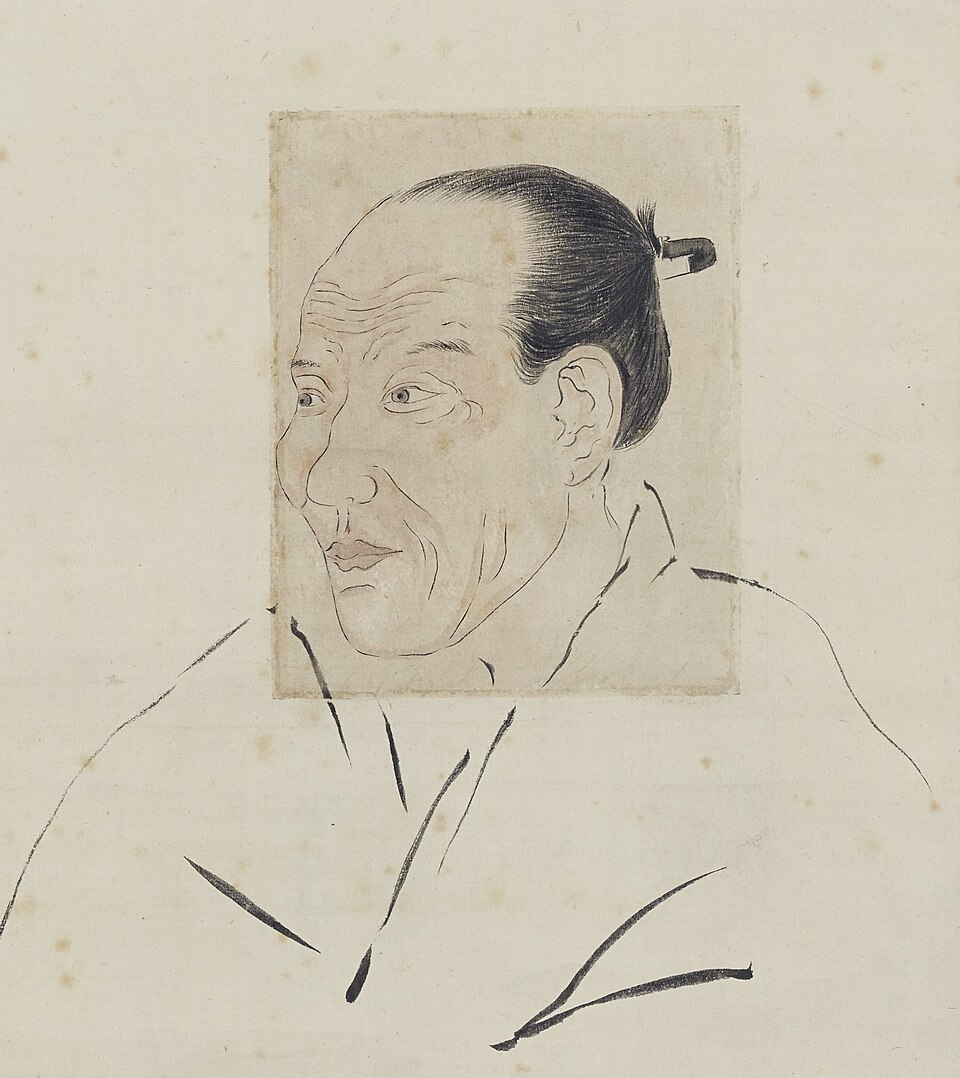
Unknown author Unknown author / Wikimedia Commons (Public domain) source Birth of Itō Jinsai, Japanese Philosopher
Itō Jinsai, an influential Japanese philosopher, was born. Known for his contributions to Confucian thought, he established a school that emphasized the practical application of Confucian values.
Jinsai's interpretations continue to influence East Asian philosophical discourse.
Read moreBirth of Tian Qin, Chinese Canoe Racer
Tian Qin, a competitive Chinese canoe racer, was born. She achieved recognition for her performance in national and international competitions, showcasing her skill and dedication to the sport.
Tian Qin's achievements inspire young athletes and contribute to the growing popularity of water sports in China.
Read more
我听到声音。
Wǒ tīngdào shēngyīn.
I hear a sound.
This sentence uses 声 to mean sound.
声音很大。
Shēngyīn hěn dà.
The sound is loud.
Here, 声 is part of the word meaning sound.
他的声音很好听。
Tā de shēngyīn hěn hǎotīng.
His voice is very pleasant.
The sentence describes a pleasant sound.
声音传递情感。
Shēngyīn chuándì qínggǎn.
Sound conveys emotion.
Here, 声 is used abstractly to indicate communication through sound.
Using 得 (de) to describe actions
verb + 得 + adjective
This pattern is used to describe how an action is performed.
Use this pattern to comment on the manner in which an action is executed.
他说得很快。
Tā shuō de hěn kuài.
He speaks very fast.
她唱得很好。
Tā chàng de hěn hǎo.
She sings very well.
他们跑得很快。
Tāmen pǎo de hěn kuài.
They run very fast.
What does 声 mean?
How is 声 pronounced?
How do you write "sound" in Chinese?
Listen. What does the sentence mean?
音乐的___很动人。(The ___ of the music is moving.)
我听到声音。 — What does this sentence mean?
What is a key feature of Xiàngsheng?
Arrange into a correct sentence
Which Chinese canoe racer was born in 1983?
What was Itō Jinsai known for?
Frequently asked questions about the word 声
Some common phrases include 声音 (shēngyīn, sound) and 声调 (shēngdiào, tone).
Connect 'shēng' with the English word 'sing', as both involve the concept of sound.
Yes, 声 can be used in formal contexts when discussing sound, voice, or tone in literature or academic settings.
Chinese Learner’s Horoscope
Your sign’s reading for today, written for learners.
Find your sign
The Chinese zodiac assigns each birth year one of twelve animals, each paired with an element that colours its character. Yours shapes a reading written for learners.
- Your sign and its elementOne of twelve animals on a 12-year cycle
- A daily affirmationFresh every morning, never repeated
- A learning horoscopeWhat to study today, and when
- A lucky characterWith pinyin, meaning and a study tip
Your birth date
Saved on this device — used only to work out your zodiac sign.
Today's Mandarin word: 声 (shēng) — sound.
Learn it on Mandarin Temple's Dragon Daily 🐉