
November 27, 2026 · 星期五
Taiji
太极· extremely

 Today’s episode with Jason and Amy
Taiji represents the balance of yin and yang, a central principle in Chinese philosophy.
小雪 announces the season's first light snows, falling thin and scattered as the cold tightens its hold. The skies turn grey, the ground hardens, and what snow comes tends to melt rather than settle.
In many regions this begins the season of curing meats and making sausages (腊肉), and southerners pound sticky-rice cakes (糍粑).
Taiji
太极tài jí
Taiji (太极) is a profound concept that has influenced Chinese culture for centuries. The term "Taiji" translates to "the supreme ultimate," highlighting its importance in Chinese philosophy and traditional practices. It reflects the idea of balance and harmony, a core principle in Chinese thought. Taiji is not only a philosophical concept but also a physical practice — Taijiquan (太极拳), or Taiji boxing, which is a type of martial art known for its slow and deliberate movements. Practitioners of Taijiquan seek to achieve a state of tranquility and balance, both in body and mind, while developing strength and flexibility[1].
The origins of Taijiquan are often linked to the legendary figure Zhang Sanfeng, who is said to have created the art after observing a fight between a crane and a snake. The elegance and effectiveness of their movements inspired Zhang to develop a martial art that emphasized yielding over resistance, softness over hardness[2]. This martial art is now practiced worldwide, appreciated for its health benefits and meditative qualities. It is an extremely popular form of exercise, especially among the elderly, due to its low-impact movements that promote relaxation and reduce stress.
Today, Taiji continues to be a vital part of Chinese culture, symbolizing the balance of yin and yang — a principle that permeates many aspects of Chinese life, from medicine to architecture. The practice of Taiji is believed to bring harmony between one's internal energy and the surrounding environment, reflecting a holistic approach to health and well-being. On November 27, 2026, as we reflect on the cultural significance of Taiji, it reminds us to strive for balance and harmony in our own lives, especially in a world that can be extremely fast-paced and demanding.
Taiji represents the balance of yin and yang, a central principle in Chinese philosophy.
太极拳非常流行。
Tàijíquán fēicháng liúxíng.
Taijiquan is extremely popular.
- [1] Douglas Wile, 'Lost T'ai-chi Classics from the Late Ch'ing Dynasty'
- [2] Barbara Davis, 'The Taijiquan Classics: An Annotated Translation'
Jason & Amy on 极
Podcast: Dragon Daily: Taiji — and the word 极
Jason & Amy on Taiji and 极
New here?
November 27, 2026
Today in Chinese cultural history, we celebrate a legendary martial artist and honor a transformative emperor of the Song dynasty.
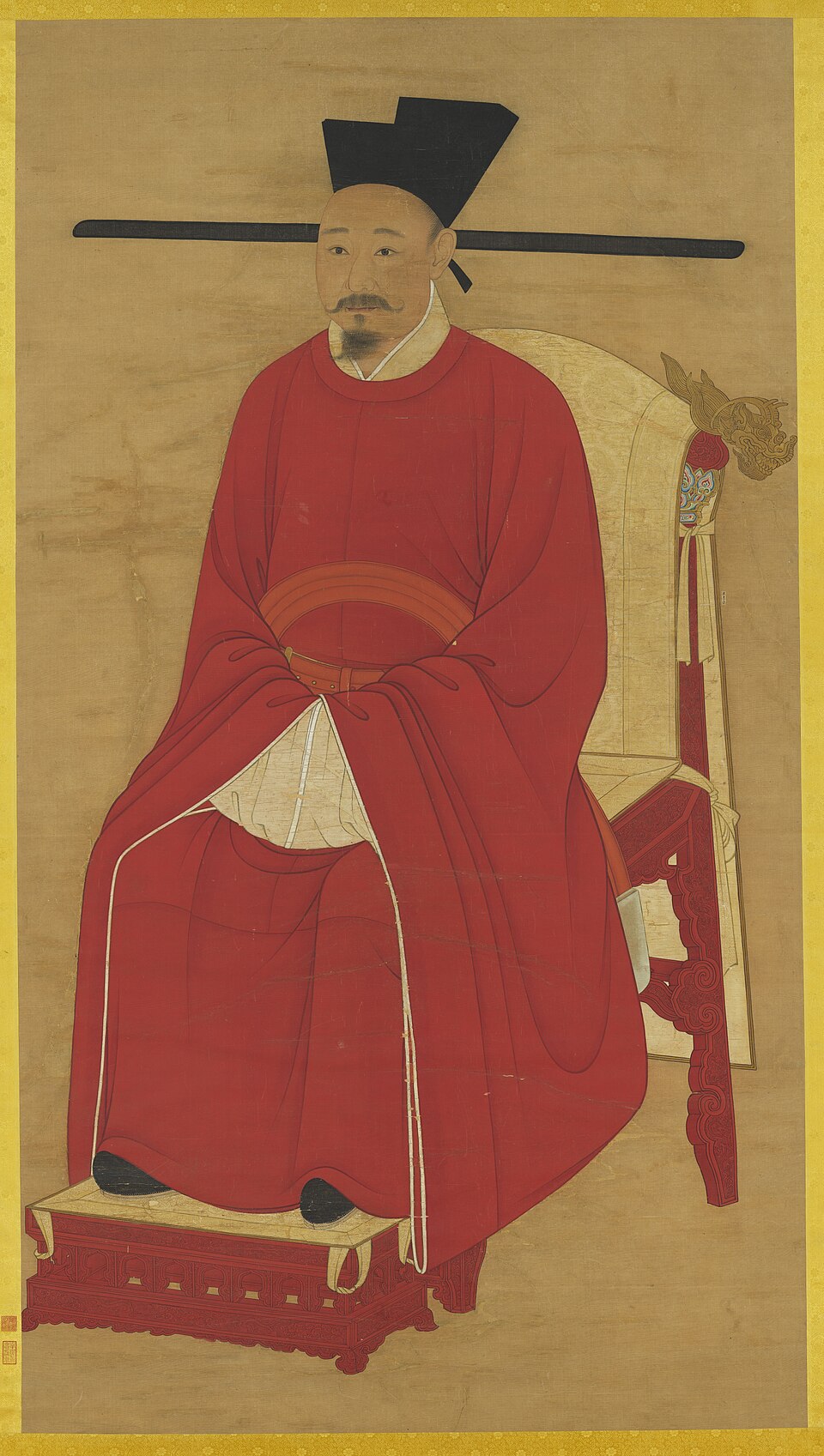
Unknown author Unknown author / Wikimedia Commons (Public domain) source Birth of Emperor Xiaozong of Song 宋孝宗
Emperor Xiaozong, born in 1127, played a key role in the Song dynasty's history. His reign saw attempts at reform and strengthened cultural and civil developments.
His efforts helped shape the administration and culture of the Song dynasty.
Read more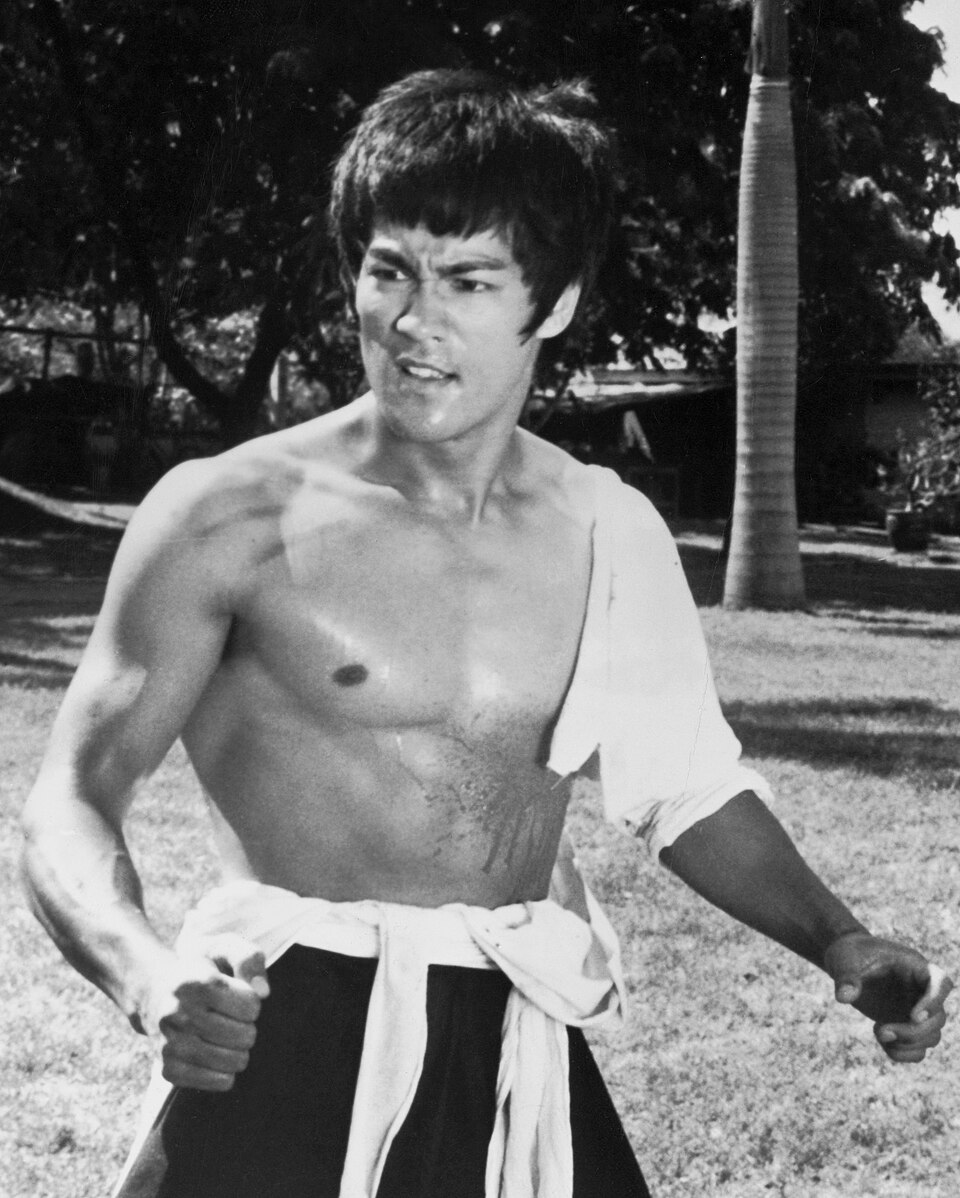
National General Pictures (original photo); uploaded by User:999real , cropped by User:Wabbuh / Wikimedia Commons (Public domain) source Birth of Bruce Lee, Iconic Martial Artist 李小龙
Bruce Lee, born in 1940, was a trailblazing martial artist, actor, and filmmaker. His dynamic style and philosophy revolutionized martial arts and cinema, inspiring generations worldwide.
Lee's cultural impact transcends martial arts, influencing film and popular culture globally.
Read moreLuoyang Declared Capital of Eastern Han 东汉建立洛阳为都城
In year 25, Luoyang was established as the capital city of the Eastern Han dynasty by Emperor Guangwu. This move marked a significant phase in urban and cultural development.
The selection of Luoyang as the capital highlighted its strategic importance and influence on Chinese urban planning.
Read more
我极喜欢它。
Wǒ jí xǐhuān tā.
I extremely like it.
Shows simple use of 极 to mean 'extremely'.
这本书极有趣。
Zhè běn shū jí yǒuqù.
This book is extremely interesting.
Uses 极 to emphasize the degree of interest.
他的表现极好。
Tā de biǎoxiàn jí hǎo.
His performance is extremely good.
Highlights the high quality of a performance.
这是一种极复杂的系统。
Zhè shì yī zhǒng jí fùzá de xìtǒng.
This is an extremely complex system.
Illustrates 极 in a nuanced, abstract context.
Using 极 for Emphasis
极 + adjective
极 is used to emphasize the degree of an adjective.
Use 极 before adjectives to intensify their meaning.
天气极热。
Tiānqì jí rè.
The weather is extremely hot.
他极聪明。
Tā jí cōngmíng.
He is extremely smart.
这道菜极好吃。
Zhè dào cài jí hǎochī.
This dish is extremely delicious.
What does 极 mean?
How is 极 pronounced?
How do you write "extremely" in Chinese?
Listen. What does the sentence mean?
他的演讲___精彩。(His speech was ___ wonderful.)
他的表现极好。 — What does this sentence mean?
What does Taiji emphasize in its practice?
Arrange into a correct sentence
Which martial artist born in 1940 revolutionized both martial arts and cinema?
Which city was declared the capital of the Eastern Han dynasty by Emperor Guangwu?
Frequently asked questions about the word 极
You can say 极好 (jí hǎo) to mean 'extremely good,' or 极端 (jí duān) to mean 'extreme.'
Yes, 极 can be used in both formal and informal contexts, but be mindful of the context to ensure it fits the tone.
Yes, 极 can precede many adjectives to express an extreme degree, but ensure the adjective fits the context.
Chinese Learner’s Horoscope
Your sign’s reading for today, written for learners.
Find your sign
The Chinese zodiac assigns each birth year one of twelve animals, each paired with an element that colours its character. Yours shapes a reading written for learners.
- Your sign and its elementOne of twelve animals on a 12-year cycle
- A daily affirmationFresh every morning, never repeated
- A learning horoscopeWhat to study today, and when
- A lucky characterWith pinyin, meaning and a study tip
Your birth date
Saved on this device — used only to work out your zodiac sign.
Today's Mandarin word: 极 (jí) — extremely.
Learn it on Mandarin Temple's Dragon Daily 🐉