
November 24, 2026 · 星期二
Herbal Medicine
中药· leaf of the iris

 Today’s episode with Jason and Amy
The word 药 (yào) connects to the story as it represents the concept of 'medicine', a central theme in the practice of Chinese herbal medicine.
小雪 announces the season's first light snows, falling thin and scattered as the cold tightens its hold. The skies turn grey, the ground hardens, and what snow comes tends to melt rather than settle.
In many regions this begins the season of curing meats and making sausages (腊肉), and southerners pound sticky-rice cakes (糍粑).
Herbal Medicine
中药zhōng yào
Herbal medicine, known as zhōngyào (中药) in Chinese, is a cornerstone of traditional Chinese medicine (TCM), with a rich history dating back thousands of years. This practice involves the use of natural herbs and minerals, which are often combined to create specific formulas aimed at restoring balance in the body. The complexity and precision of these formulas are deeply rooted in the philosophy of harmony and balance, which are central to Chinese culture and thought[1].
The formulation of zhōngyào is akin to an art form, where each ingredient is selected not just for its individual properties but for how it interacts with others. This approach contrasts with relying on single cures, emphasizing the synergy between different components to achieve optimal healing. Common ingredients in these formulas include roots, barks, flowers, and leaves, each with distinct properties and effects. A well-known example is the use of ginseng, which is valued for its energizing and restorative qualities, often forming the base of many tonic formulas[2].
Today, zhōngyào continues to be practiced both in China and around the world, often integrated with modern medical approaches. This blend of tradition and modernity highlights the enduring relevance of herbal medicine in promoting health and wellness. Understanding the principles of zhōngyào can offer insights into the holistic perspective of Chinese medicine, which sees health as a state of balance within the body and between the body and the environment. This perspective is reflected in the word 药 (yào), which traditionally means 'medicine' and underscores the natural origins of these healing practices.
The word 药 (yào) connects to the story as it represents the concept of 'medicine', a central theme in the practice of Chinese herbal medicine.
药是自然的力量。
Yào shì zìrán de lìliàng.
Medicine is the power of nature.
- [1] Huangdi Neijing (《黄帝内经》), a foundational text of Chinese medicine.
- [2] Bencao Gangmu (《本草纲目》) by Li Shizhen, a comprehensive compendium of medicinal herbs.
Jason & Amy on 药
Podcast: Dragon Daily: Herbal Medicine — and the word 药
Jason & Amy on Herbal Medicine and 药
New here?
November 24, 2026
Today in Chinese cultural history, we celebrate influential figures in science and sports.
Birth of Ye Gongchuo, Poet and Calligrapher 叶恭绰
Ye Gongchuo was a distinguished Chinese poet and calligrapher known for his contributions to modern Chinese literature and art. His works are celebrated for their depth and cultural resonance.
Ye's artistic legacy continues to influence calligraphy and poetry enthusiasts today.
Read more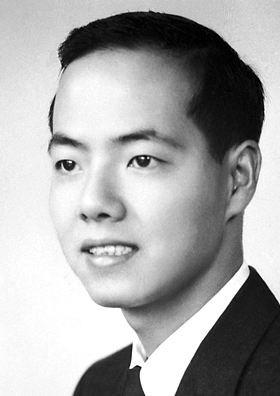
Nobel foundation / Wikimedia Commons (Public domain) source Birth of Tsung-Dao Lee, Nobel Laureate Physicist 李政道
Tsung-Dao Lee was born in Shanghai. He is renowned for his work in particle physics, winning the Nobel Prize in 1957 alongside Chen-Ning Yang for their breakthrough in parity laws.
Lee's contributions have profoundly influenced modern physics, opening new research paths.
Read more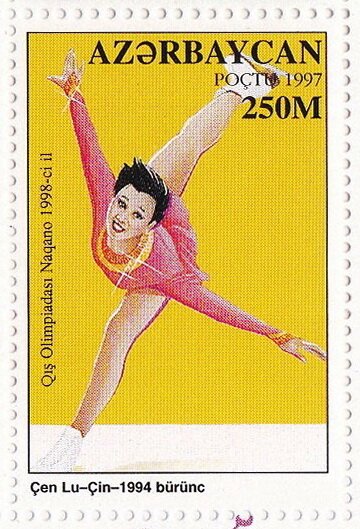
Post of Azerbaijan / Wikimedia Commons (Public domain) source Birth of Chen Lu, Pioneering Figure Skater 陈露
Chen Lu was born, later becoming a groundbreaking Chinese figure skater. She won the bronze medal at the 1994 Winter Olympics, marking a significant achievement for China in the sport.
Chen Lu's success inspired a generation of Chinese figure skaters.
Read more
我吃药。
Wǒ chī yào.
I take medicine.
This sentence uses 药 to mean medicine, a basic use of the word.
药可以治病。
Yào kěyǐ zhì bìng.
Medicine can cure illness.
Here, 药 refers to medicine's role in healing.
他对药很了解。
Tā duì yào hěn liǎojiě.
He knows a lot about medicine.
This sentence indicates someone's knowledge about medicine.
中药强调整体治疗。
Zhōngyào qiángdiào zhěngtǐ zhìliáo.
Herbal medicine emphasizes holistic treatment.
This shows a more abstract use of 药 in cultural context.
Using 能 (néng) for ability
Subject + 能 + Verb
能 is used to express the ability or possibility to do something.
Use 能 when someone or something is capable of performing an action.
我能说中文。
Wǒ néng shuō Zhōngwén.
I can speak Chinese.
他能游泳。
Tā néng yóuyǒng.
He can swim.
我们能去吗?
Wǒmen néng qù ma?
Can we go?
What does 药 mean?
How is 药 pronounced?
How do you write "medicine" in Chinese?
Listen. What does the sentence mean?
医生说___很重要。(Doctors say ___ is important.)
这种药很有效 — What does this sentence mean?
What is zhōngyào?
Arrange into a correct sentence
Which Chinese figure skater was born in 1976?
Who won the Nobel Prize in Physics in 1957?
Frequently asked questions about the word 药
Common forms include tablets, capsules, and herbal teas, reflecting both modern and traditional medicine practices.
You can say, '我需要买一些药' (Wǒ xūyào mǎi yīxiē yào) meaning 'I need to buy some medicine'.
No, 药 can also refer to substances used for specific purposes, like poison or ingredients in cooking.
Chinese Learner’s Horoscope
Your sign’s reading for today, written for learners.
Find your sign
The Chinese zodiac assigns each birth year one of twelve animals, each paired with an element that colours its character. Yours shapes a reading written for learners.
- Your sign and its elementOne of twelve animals on a 12-year cycle
- A daily affirmationFresh every morning, never repeated
- A learning horoscopeWhat to study today, and when
- A lucky characterWith pinyin, meaning and a study tip
Your birth date
Saved on this device — used only to work out your zodiac sign.
Today's Mandarin word: 药 (yào) — leaf of the iris.
Learn it on Mandarin Temple's Dragon Daily 🐉