
Podcast


Podcast: Shennong and the Origins of Herbal Medicine
Listen to Jason & Amy discuss Shennong and the Origins of Herbal Medicine
New here?
The Legend of the Divine Farmer
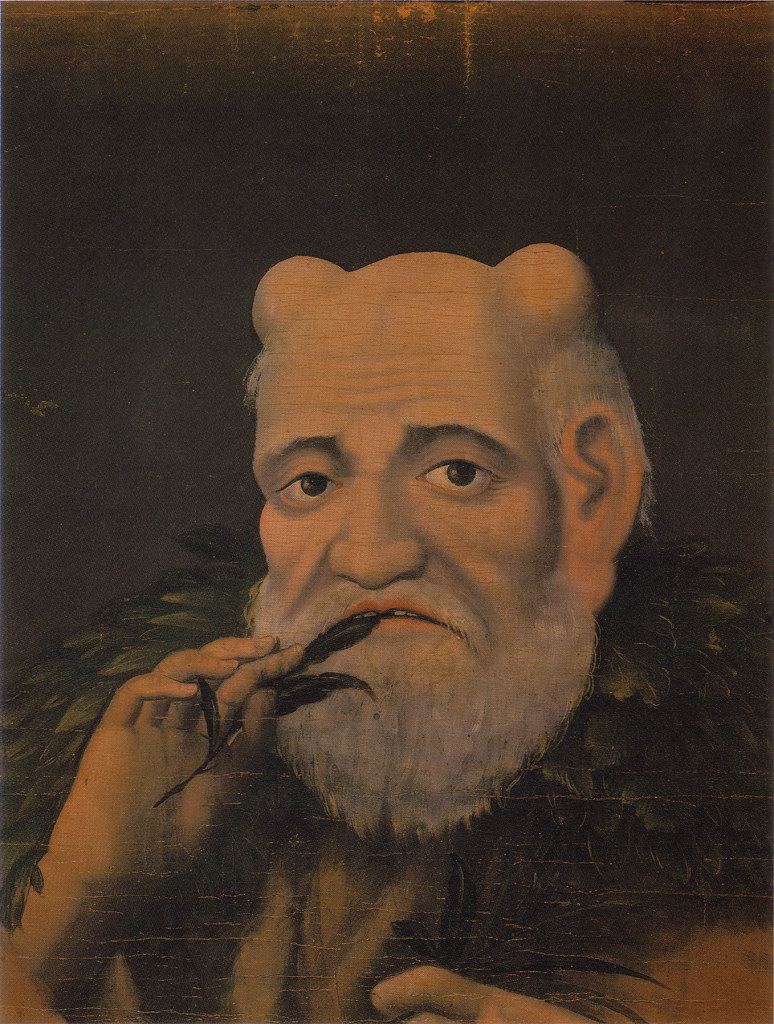
Shennong, whose name literally means "Divine Farmer" (神农), occupies a unique position in Chinese cultural memory as both a mythical sovereign and the legendary founder of agriculture and herbal medicine. According to traditions recorded in texts such as the Huainanzi and the Shiji, Shennong ruled during the earliest period of Chinese civilization, teaching the people to cultivate grain and discover the medicinal properties of plants. The legend holds that he possessed a transparent abdomen, allowing him to observe the effects of each herb as he ingested it — a vivid metaphor for the empirical, body-centered approach that would come to define Chinese pharmacology. As Unschuld (1986) demonstrated in his seminal study of Chinese pharmaceutical history, the Shennong myth encodes a fundamental truth about the origins of herbal knowledge: it was acquired through direct bodily experience, through the willingness to taste, observe, and systematize the effects of hundreds of natural substances on the human organism.
The mythological accounts describe Shennong as tasting seventy toxic substances in a single day, using tea as an antidote to purge the poisons from his body. This narrative, while obviously legendary, reflects the genuine dangers faced by early herbalists who lacked any systematic toxicological framework and relied on personal experimentation to distinguish therapeutic plants from harmful ones. Archaeological evidence from Neolithic sites across China confirms that early inhabitants possessed extensive knowledge of local flora, including plants later identified as medicinal in classical pharmacopeias. Harper (1998) argued that the Shennong legend should be understood not as the memory of a single historical figure but as a cultural compression of centuries of collective experimentation by Neolithic communities across the Chinese landscape, whose accumulated botanical knowledge was eventually attributed to a single divine ancestor for purposes of legitimation and narrative coherence.
The veneration of Shennong persisted throughout Chinese history and remains vibrant today. Temples dedicated to the Divine Farmer can be found across China, particularly in Hubei province, where local tradition places his birthplace, and in Hunan, where the Shennong Mountains are said to be the site of his herbal explorations. The annual Shennong Festival, celebrated in several provinces, honors his contributions to agriculture and medicine with offerings of herbs and grain. In the context of Chinese medical history, Shennong functions as the symbolic origin point of a tradition that values empirical observation, systematic classification, and the intimate connection between human health and the natural world. His legend reminds practitioners that the foundations of their art were laid not in theoretical speculation but in the courageous, even reckless, willingness to put one's own body on the line in the pursuit of healing knowledge (Unschuld, 2003, pp. 15–28).
"Shennong tasted a hundred herbs and encountered seventy poisons in a single day."
Huainanzi (139 BCE)The Shennong Bencao Jing
The Shennong Bencao Jing (Divine Farmer's Classic of Materia Medica) is the oldest known Chinese pharmacological text, though the work that survives today is a reconstruction from fragments preserved in later compilations. While tradition attributes the text to Shennong himself, modern scholarship has established that the Shennong Bencao Jing was compiled during the late Western Han dynasty, roughly between the first century BCE and the first century CE, drawing on centuries of accumulated herbal knowledge. The text catalogs 365 medicinal substances — a number chosen to correspond with the days of the year, reflecting the cosmological thinking that pervaded Han dynasty intellectual life. As Needham and Lu (2000) observed, this numerological correspondence was not mere superstition but expressed the deep conviction that the human body, the natural world, and the cosmic order were governed by the same fundamental patterns and rhythms.
The most significant contribution of the Shennong Bencao Jing to Chinese medical thought was its tripartite classification of medicinal substances into superior (shang), medium (zhong), and inferior (xia) grades. The 120 superior herbs, including ginseng (renshen), reishi mushroom (lingzhi), and licorice root (gancao), were considered nontoxic substances suitable for long-term use to promote longevity and nourish life. The 120 medium-grade herbs, such as ephedra (mahuang) and cinnamon bark (rougui), possessed both therapeutic and mildly toxic properties and were prescribed for specific illnesses. The 125 inferior herbs, including aconite (fuzi) and croton (badou), were powerful but potentially dangerous substances reserved for acute conditions and used only in carefully controlled doses. This classification system, as Sivin (1987) emphasized, was profoundly influential because it embedded ethical and philosophical values within the pharmacological framework: the highest herbs were those that promoted wellness rather than merely combating disease, reflecting a vision of medicine oriented toward the cultivation of health rather than the reactive treatment of illness.
The textual history of the Shennong Bencao Jing is itself a fascinating chapter in the history of Chinese medicine. The original Han dynasty compilation was lost, probably during the political upheavals of the third and fourth centuries. The text that scholars study today was meticulously reconstructed by the Qing dynasty philologist Sun Xingyan in the early nineteenth century from quotations preserved in the Bencao Jing Jizhu of Tao Hongjing (ca. 500 CE) and other later pharmacopeias. This process of reconstruction, while necessarily imperfect, has preserved the essential structure and content of the original work. Modern archaeological discoveries, including the Mawangdui medical manuscripts unearthed in 1973 from a tomb sealed in 168 BCE, have provided independent confirmation that sophisticated herbal knowledge existed in China well before the compilation of the Shennong Bencao Jing, lending credibility to the text's claim to preserve ancient pharmacological traditions (Harper, 1998, pp. 70–94).
The Three Grades of Herbal Classification
The tripartite classification system established in the Shennong Bencao Jing represented far more than a simple organizational convenience; it encoded a comprehensive philosophy of health, healing, and the relationship between humanity and nature. The superior grade (shangpin) herbs were designated as "sovereign" medicines — substances that, like a wise ruler, governed the body through gentle nourishment rather than forceful intervention. Ginseng, the most celebrated of the superior herbs, was understood not as a treatment for any specific disease but as a tonic that strengthened the body's own vitality, enabling it to resist illness through enhanced constitutional vigor. This concept of "supporting the righteous" (fu zheng) rather than "attacking the pathogen" (qu xie) would become a central principle of Chinese medical strategy, distinguishing it fundamentally from the pathogen-focused approach that would dominate Western medicine until the advent of immunology and preventive medicine in the twentieth century (Unschuld, 1986, pp. 103–120).
The medium-grade herbs occupied a more complex therapeutic space, serving as the workhorses of clinical practice. These substances possessed genuine pharmacological activity — ephedra, for example, contains ephedrine, a potent bronchodilator and sympathomimetic agent whose efficacy has been confirmed by modern pharmacology — but also carried risks of adverse effects if used improperly. The Shennong Bencao Jing advised that medium-grade herbs should be prescribed with careful attention to dosage, duration, and the patient's individual constitution, principles that anticipate modern pharmacological concepts of therapeutic index and personalized medicine. The text also recognized the importance of herbal combinations, noting that the effects of individual herbs could be modified, enhanced, or moderated by combining them with other substances. This insight led to the development of the elaborate formula-based approach that would become the hallmark of Chinese herbal medicine, in which individual herbs are rarely prescribed alone but are instead combined into carefully balanced prescriptions designed to address the full complexity of a patient's condition (Needham & Lu, 2000, pp. 215–238).
The inferior-grade herbs, despite their ominous designation, were indispensable for treating acute and severe conditions. Aconite root (fuzi), classified as an inferior herb due to its extreme toxicity, was nonetheless one of the most frequently prescribed substances in the Chinese pharmacopeia, valued for its powerful ability to warm the body and restore collapsed yang energy. The processing of aconite — through repeated soaking, boiling, and drying — to reduce its toxic alkaloid content while preserving its therapeutic properties represents one of the earliest examples of pharmaceutical processing (paozhi) in world medicine. The Shennong Bencao Jing's recognition that therapeutic power and toxicity often coexist in the same substance, and that skilled processing can shift the balance toward safety, established principles that continue to govern Chinese pharmaceutical practice today. As Lo (2001) observed in her study of early Chinese medical manuscripts, the three-grade system was not a static taxonomy but a dynamic framework that encouraged practitioners to think carefully about the relationship between a substance's innate properties, its preparation, and its interaction with the patient's body.
"Superior medicines nourish life, middle medicines nourish the nature, inferior medicines treat disease."
Shennong Bencao JingThe Evolving Materia Medica Tradition
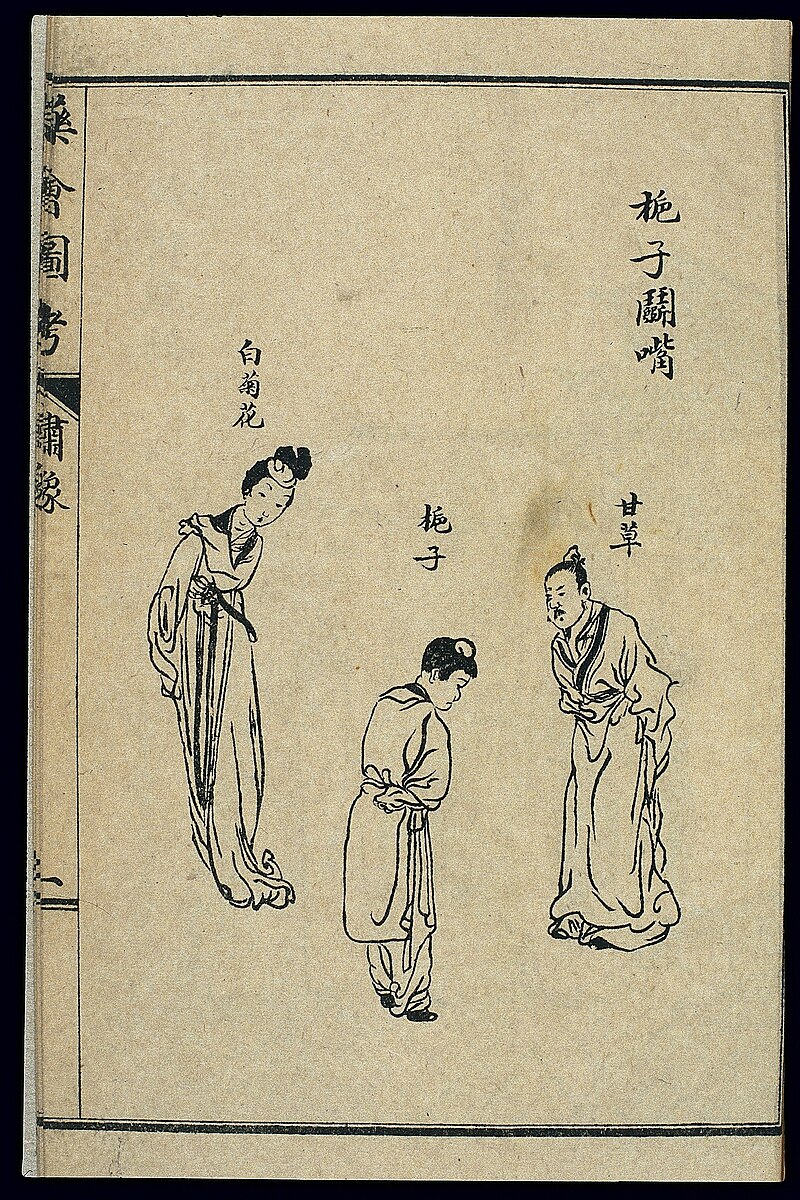
The Shennong Bencao Jing inaugurated a tradition of pharmacological compilation that would continue unbroken for two millennia, with each generation of physicians adding new substances, refining existing entries, and updating therapeutic recommendations based on accumulated clinical experience. The first major expansion came with Tao Hongjing's Bencao Jing Jizhu (Collected Commentaries on the Classic of Materia Medica), compiled around 500 CE, which doubled the number of entries to 730 substances and introduced a new dual classification system that distinguished natural from artificial medicines and organized substances by their source — minerals, herbs, trees, insects, and animals. Tao Hongjing, a Daoist adept as well as a physician, also incorporated alchemical and longevity-cultivation materials into his pharmacopeia, reflecting the close relationship between medicine and Daoist practice during the Six Dynasties period (Unschuld, 2003, pp. 42–58).
The Tang dynasty Xinxiu Bencao (Newly Revised Materia Medica), commissioned by Emperor Gaozong in 659 CE and compiled under the direction of the physician Su Jing, represented the world's first officially sponsored pharmacopeia — a state-endorsed reference work produced seven centuries before any comparable European undertaking. The Xinxiu Bencao expanded the catalog to 844 substances and was notable for its inclusion of illustrated descriptions, allowing practitioners in distant provinces to identify medicinal plants with greater accuracy. The project mobilized physicians and naturalists across the empire, who were tasked with collecting local specimens and documenting regional variations in nomenclature and usage. This institutional approach to pharmacological knowledge reflected the Tang state's recognition that standardized medical knowledge was a public good worthy of imperial investment. As Needham and Lu (2000) emphasized, the Xinxiu Bencao established the model of the official pharmacopeia that would be replicated by successive dynasties, creating an unbroken chain of state-sponsored pharmaceutical scholarship without parallel in pre-modern world history.
The culmination of this tradition came with Li Shizhen's Bencao Gangmu (Compendium of Materia Medica), completed in 1578 after twenty-seven years of research. Li Shizhen's monumental work cataloged 1,892 substances organized into sixteen divisions and sixty categories, accompanied by over 11,000 prescriptions and 1,160 illustrations. The Bencao Gangmu was remarkable not only for its comprehensiveness but for Li Shizhen's critical methodology: he personally verified many entries through fieldwork and experimentation, corrected errors that had been perpetuated through centuries of uncritical copying, and introduced a systematic nomenclature that rationalized the often-confusing proliferation of regional names for the same substance. Translated into Japanese, Korean, and eventually European languages, the Bencao Gangmu became the most influential Chinese scientific work internationally, earning comparisons to the botanical achievements of Linnaeus. From the 365 substances of the Shennong Bencao Jing to the nearly two thousand of the Bencao Gangmu, the materia medica tradition demonstrated the cumulative, self-correcting character of Chinese pharmacological knowledge (Sivin, 1987, pp. 155–180).
Yangsheng: The Philosophy of Nourishing Life
The Shennong Bencao Jing's classification of superior herbs as substances for "nourishing life" (yangsheng) rather than treating disease reflected a broader philosophical orientation that pervaded early Chinese medical thought. The concept of yangsheng — literally "nourishing life" or "cultivating vitality" — encompassed a comprehensive program of dietary regulation, physical exercise, breath cultivation, sexual hygiene, and emotional management aimed at maintaining health and extending the natural lifespan. Unlike the reactive, disease-focused model that dominated Western medicine until relatively recently, yangsheng conceived of medicine primarily as a proactive art of self-cultivation, in which the individual bore primary responsibility for maintaining the harmonious balance of vital energies within the body. The superior herbs of the Shennong Bencao Jing were tools in this broader project: ginseng, astragalus, and reishi mushroom were not medicines in the narrow sense but dietary supplements that, taken regularly over long periods, were believed to strengthen the body's constitutional vigor and resistance to illness (Unschuld, 1986, pp. 125–142).
The yangsheng tradition drew heavily on Daoist philosophy, particularly the concepts of wuwei (non-action) and ziran (naturalness). Just as the Daoist sage governed by aligning with the natural order rather than imposing force, the yangsheng practitioner maintained health by living in harmony with the rhythms of nature — eating seasonally appropriate foods, adjusting daily routines to the cycles of light and darkness, and avoiding the emotional excesses that were understood to deplete vital energy. The Mawangdui medical manuscripts, dating to the second century BCE, include several yangsheng texts that prescribe detailed physical exercises (daoyin) and breathing techniques alongside herbal recipes, confirming that the integrated approach to health cultivation was already well established before the compilation of the Shennong Bencao Jing. Harper (1998) argued that these manuscripts reveal a medical culture in which the boundaries between what we would now call medicine, exercise, nutrition, and spiritual practice were far more fluid than modern disciplinary categories would suggest.
The yangsheng philosophy embedded in the Shennong tradition has experienced a remarkable resurgence in contemporary China and globally. The modern wellness industry's emphasis on preventive health, functional foods, and holistic approaches to well-being echoes principles articulated in Chinese medical texts over two thousand years ago. Adaptogenic herbs — a category coined by twentieth-century Soviet pharmacologists but closely corresponding to the superior-grade herbs of the Shennong Bencao Jing — have become a multibillion-dollar global market, with ginseng, astragalus, and reishi leading the way. Clinical research has provided partial validation for some traditional claims: systematic reviews have found evidence that ginseng may improve cognitive function and immune response, while reishi polysaccharides have demonstrated immunomodulatory activity in laboratory studies. The enduring appeal of the Shennong pharmacological framework lies in its recognition that the most profound form of medicine is not the treatment of disease but the cultivation of a body and mind resilient enough to resist it (Lo, 2001, pp. 45–68).
"Medicinal tonics are not as good as food tonics."
Traditional Chinese medical proverbLegacy in Modern Pharmacology
The influence of the Shennong herbal tradition on modern pharmacology extends far beyond the realm of traditional Chinese medicine. The systematic investigation of Chinese medicinal plants by modern scientists has yielded several of the most important pharmaceutical discoveries of the twentieth century, demonstrating that the empirical observations preserved in texts descended from the Shennong Bencao Jing contain genuine pharmacological insights of global significance. The most celebrated example is the discovery of artemisinin by Tu Youyou and her colleagues at the China Academy of Traditional Chinese Medicine in the early 1970s. Searching for new antimalarial agents, Tu's team systematically reviewed classical Chinese medical texts, including the fourth-century Zhouhou Beiji Fang (Emergency Prescriptions), which described a cold-water extraction of sweet wormwood (qinghao) for treating intermittent fevers. This textual clue led to the isolation of artemisinin, a sesquiterpene lactone that proved to be the most effective antimalarial compound discovered in the twentieth century and earned Tu Youyou the Nobel Prize in Physiology or Medicine in 2015 (Unschuld, 2003, pp. 285–298).
Ephedra, classified as a medium-grade herb in the Shennong Bencao Jing for treating respiratory conditions, provides another striking example of the pharmacological validity of traditional Chinese herbal knowledge. The Japanese chemist Nagai Nagayoshi isolated the alkaloid ephedrine from Chinese ephedra (mahuang) in 1885, and the compound subsequently became one of the most widely used bronchodilators and decongestants in Western medicine. The story of ephedrine also illustrates the complexities of translating traditional herbal knowledge into modern pharmaceutical practice: the isolation of a single active compound from a complex herbal preparation inevitably strips away the synergistic interactions with other plant constituents that traditional practitioners considered essential to the herb's therapeutic profile. This tension between reductionist pharmacology and holistic herbal practice remains a central challenge in the scientific investigation of traditional Chinese medicines (Needham & Lu, 2000, pp. 260–278).
Contemporary research into Chinese medicinal plants continues at an accelerating pace, driven by advances in analytical chemistry, molecular biology, and bioinformatics that enable increasingly sophisticated investigation of the pharmacological mechanisms underlying traditional therapeutic claims. China's national drug discovery programs have prioritized the systematic screening of substances listed in classical pharmacopeias, and several promising drug candidates are currently in clinical trials for conditions ranging from cardiovascular disease to neurodegenerative disorders. The Shennong Bencao Jing's three-grade classification, with its emphasis on the spectrum from gentle tonics to powerful acute-care agents, continues to provide a useful conceptual framework for organizing this research. As Sivin (1987) observed, the Chinese pharmacological tradition represents not a rival to modern science but a complementary body of empirical knowledge accumulated through millennia of clinical observation — a resource whose full potential has only begun to be explored by contemporary pharmacology.
Quiz
What unique feature is attributed to Shennong in the legend?
How many medicinal substances are cataloged in the Shennong Bencao Jing?
What does the superior grade of herbs in the Shennong Bencao Jing represent?
What is the main purpose of the annual Shennong Festival?
Which dynasty was responsible for the first officially sponsored pharmacopeia?
What does the term 'yangsheng' emphasize in Chinese medicine?
What modern scientific discovery was inspired by traditional Chinese texts?
What principle did the Shennong Bencao Jing introduce regarding inferior-grade herbs?
Write your thoughts, then get feedback from Jason — you can turn any answer into a full discussion.
9. How does the legend of Shennong reflect the empirical approach to herbal medicine in Chinese culture?
10. In what ways might the philosophy of yangsheng be relevant to modern wellness practices?
Frequently Asked Questions
Common questions about Shennong and the Origins of Herbal Medicine
Who was Shennong and why is he important in Chinese medicine?
Shennong, the Divine Farmer, is a legendary figure in Chinese mythology credited with discovering hundreds of medicinal herbs by tasting them himself. He is considered the father of Chinese herbal medicine and agriculture, and his legacy forms the foundation of traditional Chinese pharmacology.
What is the Shennong Bencao Jing?
The Shennong Bencao Jing (Divine Farmer's Classic of Materia Medica) is the oldest known Chinese pharmacological text, cataloging 365 medicinal substances into three grades. Although attributed to Shennong, it was likely compiled during the Han dynasty from centuries of accumulated herbal knowledge.
How did ancient Chinese classify medicinal herbs?
Ancient Chinese herbalists classified medicines into three categories: superior herbs for longevity and health maintenance, medium herbs for treating illness and correcting imbalances, and inferior herbs with stronger effects reserved for acute conditions. This three-tier system originated in the Shennong Bencao Jing and influenced pharmacology for millennia.
What role did mythology play in the development of Chinese herbal medicine?
Mythology served as a cultural framework for transmitting medical knowledge across generations before written records existed. The legend of Shennong tasting hundreds of plants encoded practical wisdom about herb identification, toxicity, and therapeutic properties into memorable narratives.
How many herbs were originally documented in early Chinese medicine?
The earliest systematic record, the Shennong Bencao Jing, documented 365 medicinal substances including plants, minerals, and animal products. This number grew dramatically over the centuries, eventually reaching nearly 1,900 entries in the Bencao Gangmu compiled by Li Shizhen in the 16th century.