
November 9, 2026 · 星期一
The Pagoda
宝塔· pagoda

 Today’s episode with Jason and Amy
The word 塔 (tǎ) highlights the cultural and spiritual significance of pagodas in Chinese history.
立冬 marks the beginning of winter, when the harvest is stored away and the land settles into rest. The cold deepens, water begins to freeze, and creatures retreat into shelter and stillness.
Northerners eat dumplings (饺子) on this day, their shape recalling ears to protect against frostbite in the coming cold.
The Pagoda
宝塔bǎo tǎ
Pagodas, known as 塔 (tǎ) in Chinese, are iconic structures that have played a significant cultural and spiritual role in East Asian architecture. These multi-tiered towers originally served as religious monuments, primarily associated with Buddhism, where they were used to house sacred relics and scriptures[1]. The architectural design of pagodas was inspired by ancient Indian stupas, but over time, they evolved to reflect the distinctive styles and materials of China, such as wood, brick, and stone. The pagoda's unique form, with its upwardly tapering tiers, is not only aesthetically striking but also rich in symbolism, representing the link between the earth and the sky, the human and the divine.
The construction of pagodas in China became especially prominent during the Sui (581-618 AD) and Tang (618-907 AD) dynasties, when Buddhism was flourishing throughout the country. During these periods, pagodas were built to honor Buddha and often located within temple complexes or on sacred mountains, serving both as places of worship and as cultural landmarks. Some of the most famous pagodas, such as the Giant Wild Goose Pagoda in Xi'an, built in 652 AD, have become enduring symbols of Chinese heritage[2].
In addition to their religious significance, pagodas have also influenced various aspects of Chinese culture, including literature and art. They are frequently depicted in classical Chinese paintings, poetry, and folklore, symbolizing peace, harmony, and enlightenment. Today, pagodas continue to be admired for their architectural beauty and spiritual importance, attracting visitors and pilgrims from around the world. Observing these majestic structures provides a glimpse into China's rich cultural tapestry and the enduring legacy of Buddhism in Chinese society.
The word 塔 (tǎ) highlights the cultural and spiritual significance of pagodas in Chinese history.
今天是建塔的好日子。
Jīntiān shì jiàn tǎ de hǎo rìzi.
Today is a good day to build a pagoda.
- [1] UNESCO inscription: Historic Monuments of Dengfeng in 'The Centre of Heaven and Earth', 2010
- [2] Giant Wild Goose Pagoda inscription, 652 AD
Jason & Amy on 塔
Podcast: Dragon Daily: The Pagoda — and the word 塔
Jason & Amy on The Pagoda and 塔
New here?
November 9, 2026
Today in Chinese cultural history, we explore the timeless story of a panda's journey to America.
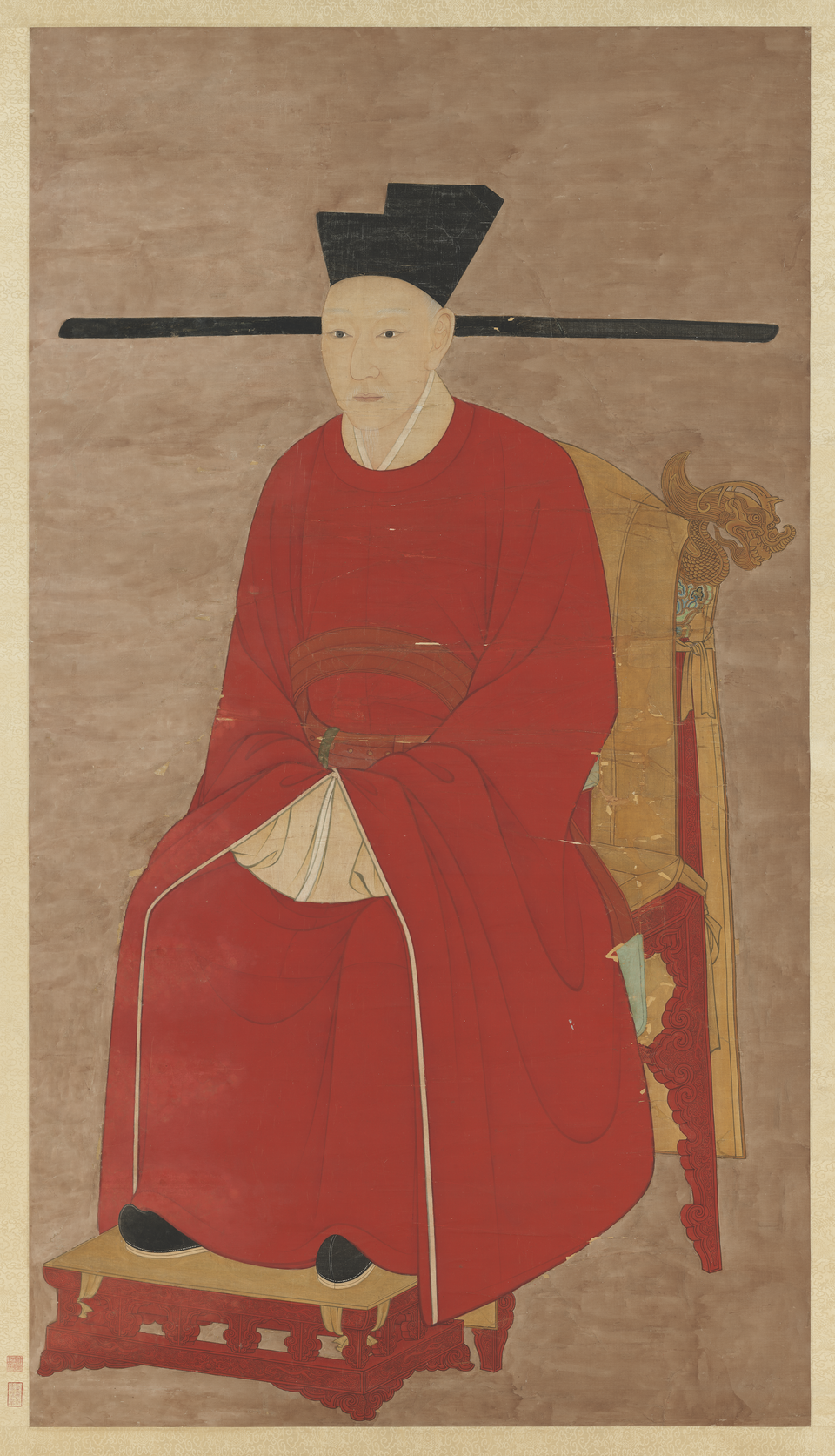
anonymous / Wikimedia Commons (Public domain) source Death of Emperor Gaozong of Song 宋高宗
Emperor Gaozong of the Song Dynasty passed away, leaving behind a legacy of rebuilding and strengthening the dynasty following the Jin-Song wars. His reign was marked by cultural and economic revitalization.
Gaozong's efforts in cultural patronage laid the groundwork for the flourishing of Song culture.
Read more
Ruth Elizabeth Harkness / Wikimedia Commons (Public domain) source First Live Giant Panda in the United States 苏琳
American fashion designer Ruth Harkness captured a nine-week-old panda cub, named Su Lin, in Sichuan. Su Lin became the first live giant panda to be brought to the United States, creating a wave of fascination with pandas in the Western world.
Su Lin's journey sparked widespread interest in giant pandas, leading to global conservation efforts.
Read more
这是一个塔。
Zhè shì yī gè tǎ.
This is a pagoda.
Simple introduction to the word 塔.
塔很高。
Tǎ hěn gāo.
The pagoda is tall.
Describes a physical attribute of a pagoda.
寺庙里有一座古老的塔。
Sìmiào lǐ yǒu yī zuò gǔlǎo de tǎ.
There is an ancient pagoda in the temple.
Places the pagoda in a cultural setting.
这座塔象征着智慧与和平。
Zhè zuò tǎ xiàngzhēngzhe zhìhuì yǔ hépíng.
This pagoda symbolizes wisdom and peace.
Discusses the abstract symbolism of pagodas.
的 (de) structure
noun + 的 + noun
The particle 的 is used to link a modifying noun to the noun it describes.
Use 的 to show possession or attribution.
他的书。
Tā de shū.
His book.
老师的教室。
Lǎoshī de jiàoshì.
The teacher's classroom.
冬天的雪。
Dōngtiān de xuě.
The snow of winter.
What does 塔 mean?
How is 塔 pronounced?
How do you write "pagoda" in Chinese?
Listen. What does the sentence mean?
那是一座___。(That is a ___.)
塔在山顶上。 — What does this sentence mean?
What is a common use for pagodas in Chinese culture?
Arrange into a correct sentence
Who was the first live giant panda brought to the United States?
Which dynasty did Emperor Gaozong belong to?
Frequently asked questions about the word 塔
Common structures include pagodas, watchtowers, and minarets.
Yes, 塔 can refer to any tall building, including modern skyscrapers.
Yes, there are various types of 塔, including Buddhist pagodas and watchtowers, each with unique architectural features.
Chinese Learner’s Horoscope
Your sign’s reading for today, written for learners.
Find your sign
The Chinese zodiac assigns each birth year one of twelve animals, each paired with an element that colours its character. Yours shapes a reading written for learners.
- Your sign and its elementOne of twelve animals on a 12-year cycle
- A daily affirmationFresh every morning, never repeated
- A learning horoscopeWhat to study today, and when
- A lucky characterWith pinyin, meaning and a study tip
Your birth date
Saved on this device — used only to work out your zodiac sign.

Today's Mandarin word: 塔 (tǎ) — pagoda.
Learn it on Mandarin Temple's Dragon Daily 🐉