

October 20, 2026 · 星期二
Trustworthiness
信· letter

 Today’s episode with Jason & Amy
In Chinese culture, trustworthiness (信) is seen as an invaluable trait, emphasizing the importance of keeping one's word.
寒露 marks the point when the dew turns cold and may verge on frost, signaling a sharper, deeper autumn chill. The air grows dry and brisk, migrating birds head south, and chrysanthemums come into bloom.
People climb heights to admire the autumn views, enjoy chrysanthemums, and in some places drink chrysanthemum wine for health.
Trustworthiness
信xìn
In Chinese culture, the concept of trustworthiness, known as 'xìn' (信), is of paramount importance. This virtue is deeply rooted in the philosophy of Confucius, who emphasized the cardinal virtues, including trustworthiness, as essential to personal development and social harmony[1]. A common saying, 'a promise is worth a thousand pieces of gold,' illustrates the high value placed on keeping one's word. This expression highlights the belief that integrity and reliability are worth more than material wealth.
Trustworthiness extends beyond personal relationships and is fundamental in business and societal interactions. In traditional Chinese business practices, the handshake and verbal agreements were often considered binding, reflecting a deep-seated respect for mutual trust and honor[2]. Even today, in the rapidly modernizing Chinese society, maintaining 'xìn' is crucial for building successful and lasting partnerships.
The character 信 also means 'letter,' symbolizing the trust and communication necessary in correspondence. In ancient China, letters were often sealed with a personal mark or stamp, ensuring the authenticity and integrity of the message. This dual meaning of 信 underscores the idea that communication and trust are intertwined, both essential for maintaining harmony and understanding.
In everyday life, 信 serves as a reminder of the importance of trustworthiness in all interactions. Whether in family, friendships, or professional settings, upholding one's promises fosters respect and strengthens relationships. In a world where technology rapidly changes how we communicate, the timeless value of 信 remains a guiding principle for many.
In Chinese culture, trustworthiness (信) is seen as an invaluable trait, emphasizing the importance of keeping one's word.
信如千金。
Xìn rú qiānjīn.
A promise is worth a thousand pieces of gold.
- [1] Confucius, The Analects (论语)
- [2] James Legge, The Chinese Classics, Volume I: Confucian Analects, The Great Learning, and The Doctrine of the Mean
Jason & Amy on 信
Podcast: Dragon Daily: Trustworthiness — and the word 信
Jason & Amy on Trustworthiness and 信
New here?
October 20, 2026
This day in Chinese cultural history highlights key figures in literature and theater.
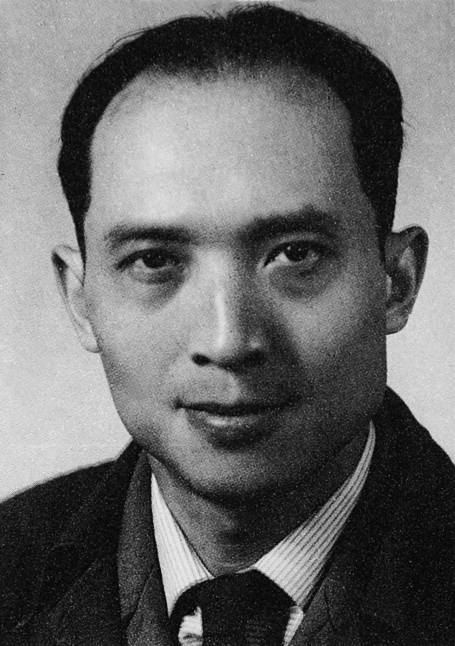
Unknown author Unknown author / Wikimedia Commons (Public domain) source Birth of Chen Liting, Chinese Director and Playwright 陈鲤庭
Chen Liting, a significant Chinese director and playwright, was born. He became well-known for his innovative works in theater and film, which explored social issues and human emotions.
Chen's work continues to inspire modern Chinese theater and film with its rich storytelling and keen social observations.
Read more
Melatsine / Wikimedia Commons (CC BY-SA 4.0) sourcelicence Birth of Dave Wong, Hong Kong-Taiwanese Singer 王杰
Dave Wong, a prominent Hong Kong-Taiwanese singer-songwriter and actor, was born. He gained fame for his heartfelt ballads and acting roles, deeply influencing pop culture in the region.
Wong's emotional songs continue to resonate with fans, maintaining his cultural impact.
Read more
我写了一封信。
Wǒ xiěle yī fēng xìn.
I wrote a letter.
This uses 信 in the sense of 'letter'.
他很有信。
Tā hěn yǒu xìn.
He is very trustworthy.
This describes someone as trustworthy.
信是重要的。
Xìn shì zhòngyào de.
Trust is important.
This emphasizes the importance of trust.
信于人,心于己。
Xìn yú rén, xīn yú jǐ.
Trust in others, sincerity in oneself.
This is an abstract expression highlighting mutual trust and personal sincerity.
Using '是' for Emphasis
是 + adjective + 的
This pattern emphasizes the quality of the adjective, often used to stress importance.
Use this structure to emphasize the significance of a particular quality.
他是聪明的。
Tā shì cōngmíng de.
He is clever.
这是重要的。
Zhè shì zhòngyào de.
This is important.
信是宝贵的。
Xìn shì bǎoguì de.
Trust is precious.
What does 信 mean?
How is 信 pronounced?
How do you write "letter" in Chinese?
Listen. What does the sentence mean?
这封___是重要的。(This letter is important.)
他写了一封信 — What does this sentence mean?
What is the cultural significance of 信 in Chinese society?
Arrange into a correct sentence
Which Hong Kong-Taiwanese singer was born on this day?
What is Chen Liting known for?
Frequently asked questions about the word 信
You can say '我写了一封信给他' (Wǒ xiěle yī fēng xìn gěi tā), meaning 'I wrote a letter to him.'
No, it also means trust or belief, so you can say '我相信你' (Wǒ xiāngxìn nǐ), meaning 'I trust you.'
The correct pronunciation is xìn, with a fourth tone.
Chinese Learner’s Horoscope
Your sign’s reading for today, written for learners.
Find your sign
The Chinese zodiac assigns each birth year one of twelve animals, each paired with an element that colours its character. Yours shapes a reading written for learners.
- Your sign and its elementOne of twelve animals on a 12-year cycle
- A daily affirmationFresh every morning, never repeated
- A learning horoscopeWhat to study today, and when
- A lucky characterWith pinyin, meaning and a study tip
Your birth date
Saved on this device — used only to work out your zodiac sign.
Today's Mandarin word: 信 (xìn) — letter.
Learn it on Mandarin Temple's Dragon Daily 🐉