

October 17, 2026 · 星期六
Righteousness
义· justice

 Today’s episode with Jason & Amy
The concept of 义 (righteousness) in Chinese culture emphasizes moral integrity and loyalty, often celebrated in tales of brotherhood.
寒露 marks the point when the dew turns cold and may verge on frost, signaling a sharper, deeper autumn chill. The air grows dry and brisk, migrating birds head south, and chrysanthemums come into bloom.
People climb heights to admire the autumn views, enjoy chrysanthemums, and in some places drink chrysanthemum wine for health.
Righteousness
义yì
Righteousness, or 义 (yì), holds a prominent place in Chinese culture and philosophy. Often depicted through tales of brotherhood and loyalty, 义 represents the moral obligation to do what is right, even when it is challenging. One of the most famous stories embodying this virtue is the tale of the Three Kingdoms, where the characters Liu Bei, Guan Yu, and Zhang Fei swear an oath of brotherhood in the Peach Garden, pledging to live and die together in pursuit of justice and the common good[1]. This story highlights how 义 is not only about personal morality but also about commitment to others and society.
In Confucianism, 义 is a central tenet and is considered one of the key virtues that a gentleman should possess. Confucius emphasized that true righteousness involves acting in accordance with moral principles rather than seeking personal gain. This idea is reflected in many classical texts and teachings, where 义 is often paired with 礼 (lǐ), or proper conduct, to guide individuals in their interactions and decisions[2]. This pairing underscores the importance of maintaining integrity and adhering to social norms while being guided by a sense of justice.
The influence of 义 extends beyond literature and philosophy into everyday life in China. It is common to hear people refer to 义 in contexts ranging from business dealings to personal relationships, indicating its pervasive influence. The value placed on 义 encourages individuals to act selflessly and prioritize collective well-being over personal interests. By embodying 义, people aim to create harmonious and just communities, reflecting the enduring significance of this virtue in Chinese culture.
The concept of 义 (righteousness) in Chinese culture emphasizes moral integrity and loyalty, often celebrated in tales of brotherhood.
今天是个义的日子。
Jīntiān shì gè yì de rìzi.
Today is a day of righteousness.
- [1] Luo Guanzhong, Romance of the Three Kingdoms (《三国演义》)
- [2] Confucius, Analects (《论语》)
Jason & Amy on 义
Podcast: Dragon Daily: Righteousness — and the word 义
Jason & Amy on Righteousness and 义
New here?
October 17, 2026
Today in Chinese cultural history, we explore the life of an influential emperor and the unique ascent of Empress Wu Zetian.
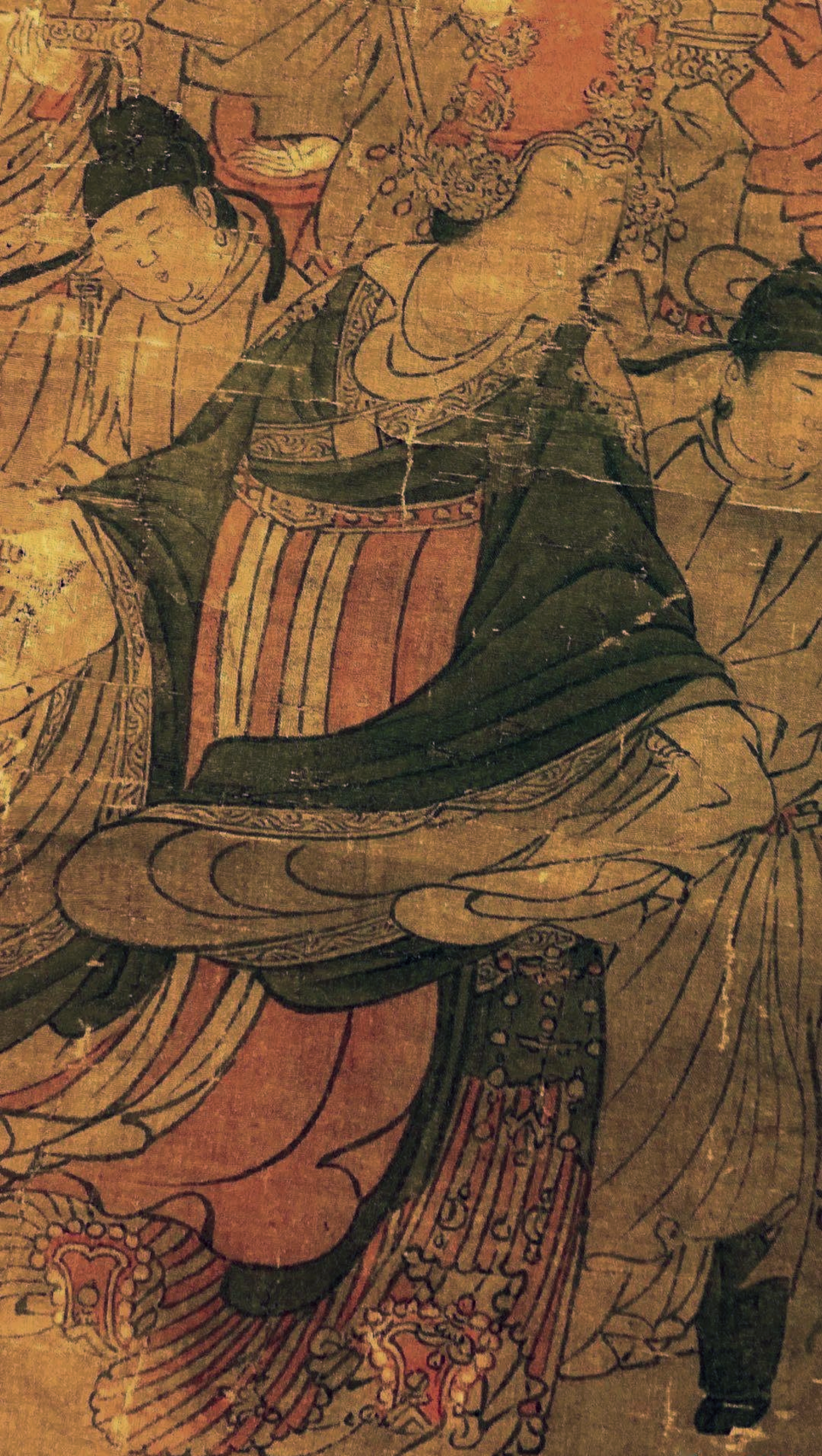
Likely to be Zhang Xuan (张萱) / Wikimedia Commons (Public domain) source Empress Wu Zetian Establishes Zhou Dynasty 武则天
Wu Zetian became the first and only female emperor of China, establishing the Zhou Dynasty. She is known for her support of Buddhism, as well as her capable administration, which included significant reforms enhancing imperial examination and agriculture.
Wu Zetian's reign challenged traditional gender roles and left a lasting impact on Chinese governance.
Read more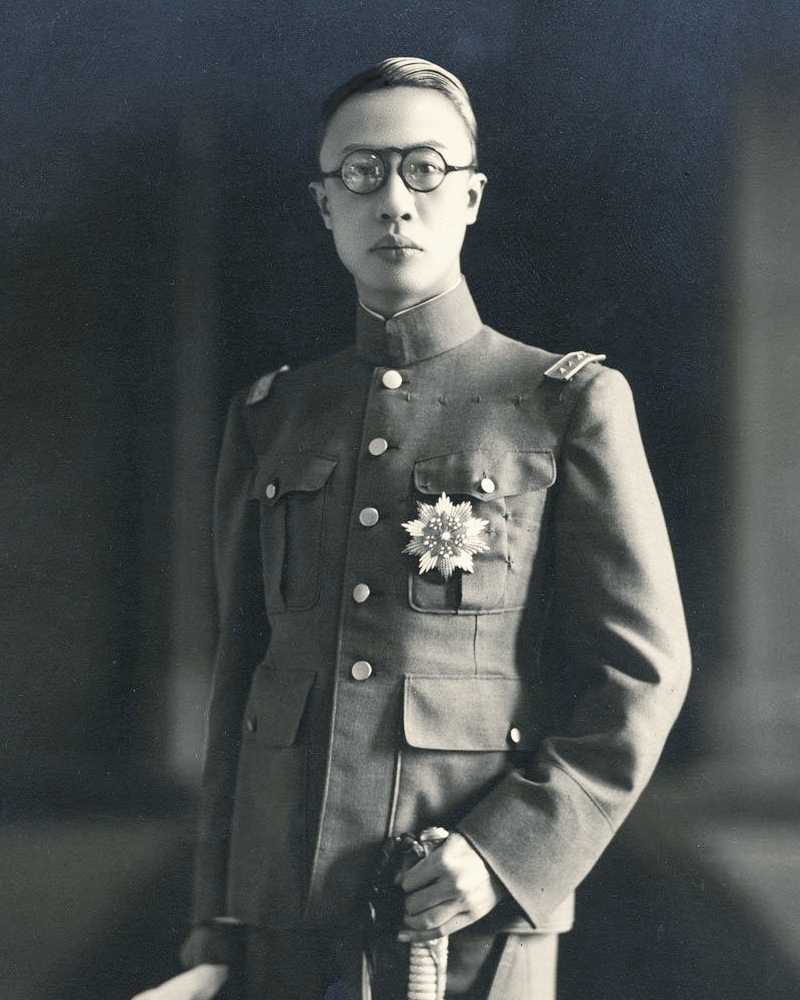
Unknown author Unknown author / Wikimedia Commons (Public domain) source Death of Puyi, Last Emperor of China 溥仪
Puyi, the last emperor of China, passed away in 1967. He became emperor at a young age and witnessed significant changes throughout his life, including the fall of the Qing Dynasty. Later, he lived a relatively quiet life after being re-educated.
Puyi's life symbolizes the transition of China from imperial rule to its modern form.
Read more
他是一个义人。
Tā shì yī gè yì rén.
He is a righteous person.
This sentence affirms someone's righteousness.
义是重要的。
Yì shì zhòngyào de.
Righteousness is important.
This sentence highlights the importance of righteousness.
我们要讲义气。
Wǒmen yào jiǎng yìqì.
We should value righteousness.
This sentence encourages valuing righteousness in actions.
义者,心之所安也。
Yì zhě, xīn zhī suǒ ān yě.
Righteousness is what brings peace to the heart.
This abstract sentence connects righteousness with inner peace.
Using 的 to indicate possession
noun + 的 + noun
The particle 的 is used to indicate possession or association between two nouns.
Use 的 to link a possessor and a possessed object.
老师的书
Lǎoshī de shū
The teacher's book
我的朋友
Wǒ de péngyǒu
My friend
他的家
Tā de jiā
His home
What does 义 mean?
How is 义 pronounced?
How do you write "righteousness" in Chinese?
Listen. What does the sentence mean?
我们应该___气。(We should value ___.
我们要讲义气 — What does this sentence mean?
Which classic Chinese tale is known for emphasizing 义?
Arrange into a correct sentence
Who established the Zhou Dynasty in 690?
Who was the last emperor of China?
Frequently asked questions about the word 义
In legal contexts, 义 refers to justice and righteousness, emphasizing the moral aspect of laws and their enforcement.
Yes, while it has formal connotations, 义 can also be used informally when discussing concepts of right and wrong or moral integrity.
义气 (yìqì) expresses a strong bond of loyalty and righteousness between friends, highlighting the importance of moral support in relationships.
Chinese Learner’s Horoscope
Your sign’s reading for today, written for learners.
Find your sign
The Chinese zodiac assigns each birth year one of twelve animals, each paired with an element that colours its character. Yours shapes a reading written for learners.
- Your sign and its elementOne of twelve animals on a 12-year cycle
- A daily affirmationFresh every morning, never repeated
- A learning horoscopeWhat to study today, and when
- A lucky characterWith pinyin, meaning and a study tip
Your birth date
Saved on this device — used only to work out your zodiac sign.
Today's Mandarin word: 义 (yì) — justice.
Learn it on Mandarin Temple's Dragon Daily 🐉