

October 14, 2026 · 星期三
Filial Piety
孝· filial piety or obedience

 Today’s episode with Jason & Amy
The concept of 孝 remains a pillar of Chinese cultural values, promoting respect and harmony within families and communities.
寒露 marks the point when the dew turns cold and may verge on frost, signaling a sharper, deeper autumn chill. The air grows dry and brisk, migrating birds head south, and chrysanthemums come into bloom.
People climb heights to admire the autumn views, enjoy chrysanthemums, and in some places drink chrysanthemum wine for health.
Filial Piety
孝xiào
In Confucian philosophy, 孝 (xiào) represents the commitment to respect and care for one's parents and ancestors, forming the foundation of family ethics and social harmony. This concept is deeply rooted in Chinese culture and is considered one of the cardinal virtues. It is not just about obedience but also encompasses love, respect, and gratitude toward one's family[1].
Confucius taught that 孝 is essential for moral development. He believed that a society where children respect their parents would naturally be harmonious. This virtue extends beyond familial relationships, influencing broader social interactions by promoting respect and care within the community[2]. Confucius' teachings are recorded in the Analects (《论语》), where he emphasizes that filial piety is the root of virtue and the basis of a well-ordered society[3].
Today, 孝 continues to play a significant role in Chinese culture. It manifests in various customs and traditions, such as ancestor worship, which is a way to honor and remember past generations. The value placed on education, often seen as a tribute to one's parents, also reflects the influence of 孝. As families gather to celebrate traditional festivals, the spirit of 孝 fosters unity and continuity across generations. Observing filial piety helps maintain the cultural heritage, ensuring that respect for one's elders remains a cherished value in modern society.
The concept of 孝 remains a pillar of Chinese cultural values, promoting respect and harmony within families and communities.
孝是中华文化的核心。
Xiào shì Zhōnghuá wénhuà de héxīn.
Filial piety is the core of Chinese culture.
- [1] 《孝经》 Book of Filial Piety
- [2] 《论语》 The Analects of Confucius
- [3] 《礼记》 Book of Rites
Jason & Amy on 孝
Podcast: Dragon Daily: Filial Piety — and the word 孝
Jason & Amy on Filial Piety and 孝
New here?
October 14, 2026
Today we celebrate the birth of remarkable individuals in Chinese culture and sports. One of them is a world-renowned badminton player.
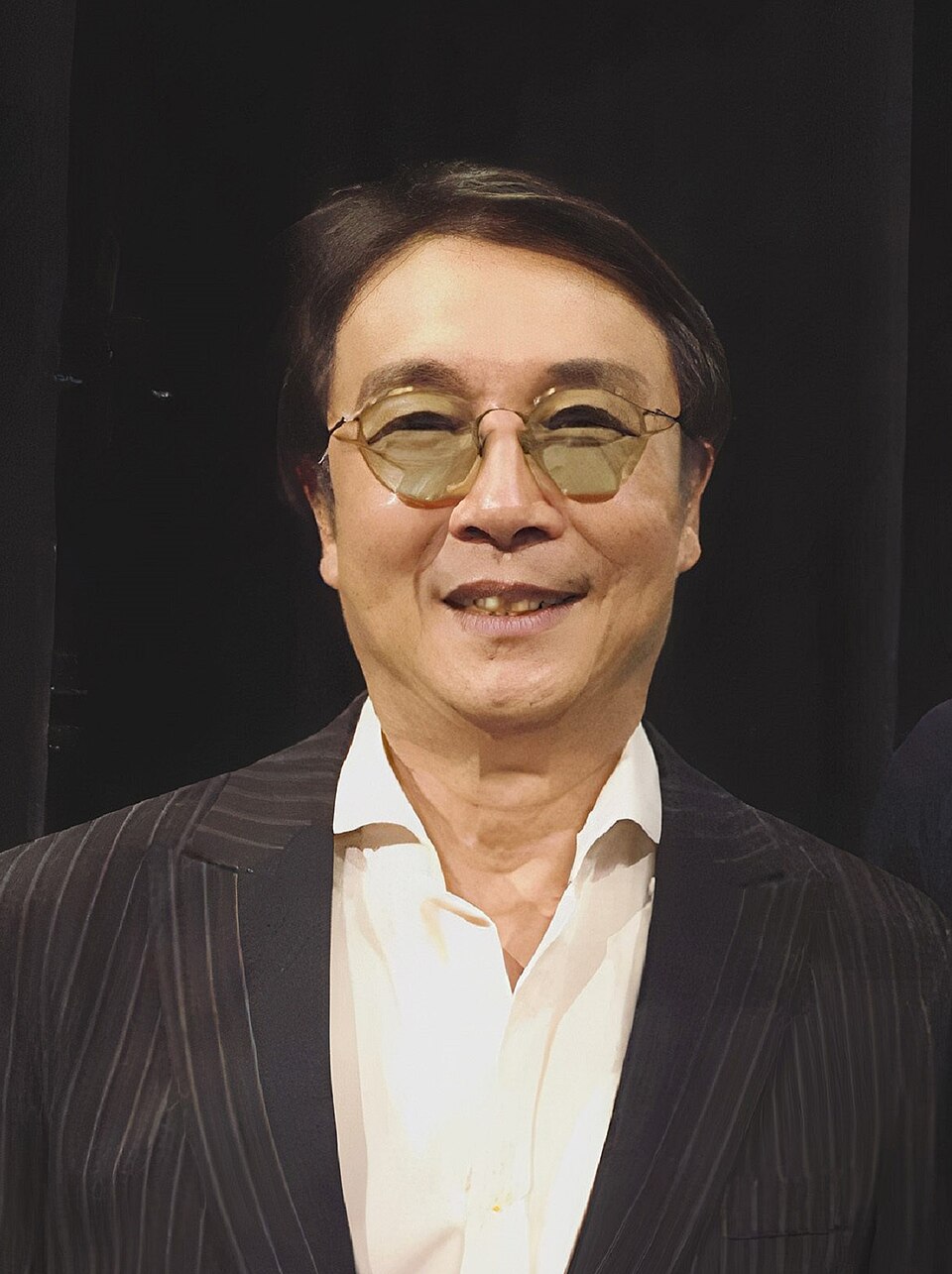
Out-of-date / Wikimedia Commons (CC BY-SA 4.0) sourcelicence Birth of Damian Lau, Influential Hong Kong Actor
Damian Lau, born in 1949, became a significant figure in Hong Kong cinema and television. He is known for his versatile acting and contributions as a director and producer.
His work has had a lasting impact on the entertainment industry in Hong Kong.
Read more
Idontknowwhatisit / Wikimedia Commons (CC BY-SA 4.0) sourcelicence Birth of Lin Dan, Chinese Badminton Champion 林丹
Lin Dan, born in 1983, became one of the most accomplished badminton players in the world. Known for his incredible achievements, he has won numerous championships and is celebrated for his skill, agility, and sportsmanship.
His contributions have greatly popularized badminton in China and globally.
Read more
孝很重要。
Xiào hěn zhòngyào.
Filial piety is important.
Simple statement of importance.
我们应该尊重父母,体现孝。
Wǒmen yīnggāi zūnzhòng fùmǔ, tǐxiàn xiào.
We should respect our parents, demonstrating filial piety.
Linking respect with the concept of filial piety.
孝是中华文化的核心价值观。
Xiào shì Zhōnghuá wénhuà de héxīn jiàzhíguān.
Filial piety is a core value of Chinese culture.
Explains its foundational role in culture.
在儒家思想中,孝是道德的根本。
Zài Rújiā sīxiǎng zhōng, xiào shì dàodé de gēnběn.
In Confucian thought, filial piety is the root of morality.
Highlights the philosophical significance of filial piety.
Using 是 (shì) for emphasis
是 + adjective/noun
The word 是 can be used to emphasize a statement, often to highlight the importance or truth of a statement.
Use 是 before adjectives or nouns to stress the point.
孝是非常重要的。
Xiào shì fēicháng zhòngyào de.
Filial piety is very important.
这是我的书。
Zhè shì wǒ de shū.
This is my book.
他是老师。
Tā shì lǎoshī.
He is a teacher.
What does 孝 mean?
How is 孝 pronounced?
How do you write "filial piety" in Chinese?
Listen. What does the sentence mean?
___是中华文化的核心。(Filial piety is the core of Chinese culture.)
孝顺父母是美德。 — What does this sentence mean?
Which concept is central to Confucian family ethics?
Arrange into a correct sentence
Who is the Chinese badminton champion born on this day?
What contribution is Damian Lau known for?
Frequently asked questions about the word 孝
In modern society, 孝 still emphasizes respect and care for parents, but it also reflects evolving family structures and values.
You can say '我很孝顺我的父母' (wǒ hěn xiàoshùn wǒ de fùmǔ), meaning 'I am very filial to my parents.'
Yes, 孝 (xiào) refers to the concept of filial piety, while 孝顺 (xiàoshùn) specifically describes the action of being obedient and respectful to one's parents.
Chinese Learner’s Horoscope
Your sign’s reading for today, written for learners.
Find your sign
The Chinese zodiac assigns each birth year one of twelve animals, each paired with an element that colours its character. Yours shapes a reading written for learners.
- Your sign and its elementOne of twelve animals on a 12-year cycle
- A daily affirmationFresh every morning, never repeated
- A learning horoscopeWhat to study today, and when
- A lucky characterWith pinyin, meaning and a study tip
Your birth date
Saved on this device — used only to work out your zodiac sign.
Today's Mandarin word: 孝 (xiào) — filial piety or obedience.
Learn it on Mandarin Temple's Dragon Daily 🐉