

October 11, 2026 · 星期日
The Mulberry Tree
桑树· mulberry tree

 Today’s episode with Jason & Amy
The mulberry tree (桑树) symbolizes the agrarian lifestyle and is essential to silk production, reflecting its deep cultural roots in China.
寒露 marks the point when the dew turns cold and may verge on frost, signaling a sharper, deeper autumn chill. The air grows dry and brisk, migrating birds head south, and chrysanthemums come into bloom.
People climb heights to admire the autumn views, enjoy chrysanthemums, and in some places drink chrysanthemum wine for health.
The Mulberry Tree
桑树sāng shù
The mulberry tree, known in Chinese as 桑树 (sāngshù), is a significant element of Chinese culture, deeply intertwined with the ancient practice of sericulture. The leaves of the mulberry tree are the primary food source for silkworms, which spin the silk threads so highly valued throughout history. This connection has made the mulberry tree a symbol of prosperity and hard work in the traditional farming communities of China[1].
In addition to its practical uses, the mulberry tree has been celebrated in Chinese literature and philosophy. It is often mentioned in ancient texts as part of the idyllic rural landscape, symbolizing a harmonious life tied to the land. The phrase “mulberry and hemp” (桑麻) emerged as a shorthand for the self-sustaining, agrarian lifestyle cherished by many Chinese people throughout history[2]. This symbol of simplicity and connection to nature resonates with the Daoist ideals of living in harmony with the natural world.
The mulberry tree's influence extends to Chinese art and design, with its distinctive leaves and fruit often depicted in paintings and textiles. Its cultural significance is further underscored by its presence in traditional Chinese medicine, where different parts of the tree are used for their purported health benefits. As we observe the Year of the Horse, a year characterized by energy and movement, the mulberry tree stands as a reminder of the roots and stability that balance life's dynamic forces[3].
The mulberry tree (桑树) symbolizes the agrarian lifestyle and is essential to silk production, reflecting its deep cultural roots in China.
桑树对丝绸很重要。
Sāngshù duì sīchóu hěn zhòngyào.
The mulberry tree is important for silk.
- [1] 《礼记》 The Book of Rites
- [2] 《诗经》 The Book of Songs
- [3] 《本草纲目》 Compendium of Materia Medica by Li Shizhen
Jason & Amy on 桑
Podcast: Dragon Daily: The Mulberry Tree — and the word 桑
Jason & Amy on The Mulberry Tree and 桑
New here?
October 11, 2026
Today highlights contributions from Chinese history and culture, including an influential historian and a celebrated modern singer-songwriter.
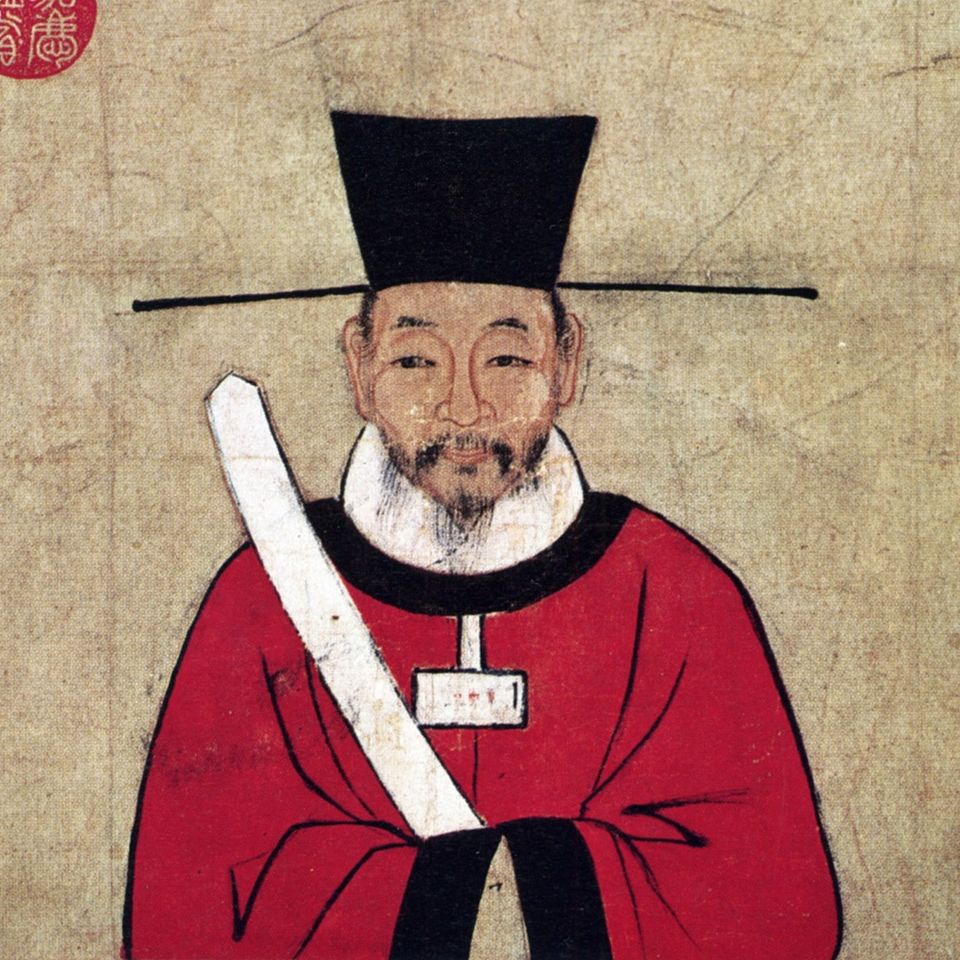
Annonymous / Wikimedia Commons (Public domain) source Death of Sima Guang 司马光
Sima Guang was a prominent Chinese historian best known for his work, the Zizhi Tongjian, a comprehensive history covering 16 dynasties. His scholarly contributions have had a lasting impact on Chinese historiography.
Sima Guang's historical methodologies continue to influence Chinese and global historiography.
Read more
Yohannshen / Wikimedia Commons (CC BY-SA 4.0) sourcelicence Birth of Jane Zhang 张靓颖
Jane Zhang, born in Chengdu, is a renowned Chinese singer-songwriter known for her wide vocal range and unique ‘dolphin whistle’ technique. She gained fame through the Super Girl singing contest and has since released multiple albums.
Jane Zhang is influential in bringing Chinese pop music to an international audience.
Read more
我家有一棵桑树。
Wǒ jiā yǒu yī kē sāngshù.
There is a mulberry tree at my home.
This simple sentence describes having a mulberry tree at home.
桑树叶喂蚕。
Sāngshù yè wèi cán.
Mulberry leaves feed silkworms.
This explains the role of mulberry leaves in feeding silkworms.
桑树象征着农耕生活。
Sāngshù xiàngzhēng zhe nónggēng shēnghuó.
The mulberry tree symbolizes the farming life.
This sentence connects the mulberry tree to the agricultural lifestyle.
桑麻代表着质朴的生活。
Sāng má dàibiǎo zhe zhìpǔ de shēnghuó.
Mulberry and hemp represent a simple life.
This abstractly uses 'mulberry and hemp' to symbolize a simple, rural lifestyle.
Using 对 to Indicate Importance
对 + noun + 很重要
The pattern 对 + noun + 很重要 is used to express that something is important to something else.
Use this pattern to discuss the importance of one thing to another.
桑树对丝绸很重要。
Sāngshù duì sīchóu hěn zhòngyào.
The mulberry tree is important for silk.
学习对未来很重要。
Xuéxí duì wèilái hěn zhòngyào.
Studying is important for the future.
健康对生活很重要。
Jiànkāng duì shēnghuó hěn zhòngyào.
Health is important for life.
What does 桑 mean?
How is 桑 pronounced?
How do you write "mulberry tree" in Chinese?
Listen. What does the sentence mean?
我家后院有很多___。(There are many ___ in my backyard.)
桑树对丝绸很重要。 — What does this sentence mean?
Which tree is essential for feeding silkworms?
Arrange into a correct sentence
Which Chinese historian known for the Zizhi Tongjian died in 1086?
Who is Jane Zhang?
Frequently asked questions about the word 桑
桑 means mulberry tree, and it can also be a surname.
桑 is pronounced as 'sāng' with a high, level tone.
Yes, 桑树 (sāngshù) means mulberry tree, which is often used in discussions about agriculture.
Chinese Learner’s Horoscope
Your sign’s reading for today, written for learners.
Find your sign
The Chinese zodiac assigns each birth year one of twelve animals, each paired with an element that colours its character. Yours shapes a reading written for learners.
- Your sign and its elementOne of twelve animals on a 12-year cycle
- A daily affirmationFresh every morning, never repeated
- A learning horoscopeWhat to study today, and when
- A lucky characterWith pinyin, meaning and a study tip
Your birth date
Saved on this device — used only to work out your zodiac sign.
Today's Mandarin word: 桑 (Sāng) — mulberry tree.
Learn it on Mandarin Temple's Dragon Daily 🐉