

September 8, 2026 · 星期二
The Protective Tiger
老虎· tiger

 Today’s episode with Jason & Amy
The tiger (虎, hǔ) is a central symbol of protection in Chinese culture, often associated with bravery and strength.
白露 is named for the glistening dew that beads on grass and leaves as cool nights condense the air's moisture. The temperature gap between day and night widens sharply, and a clear autumn crispness sets in.
In some regions people brew "白露 tea" or rice wine, and gather ten kinds of white-named herbs to make a nourishing tonic.
The Protective Tiger
老虎lǎo hǔ
The tiger, or 虎 (hǔ), holds a significant place in Chinese culture as a powerful symbol of protection. Throughout history, the tiger has been associated with strength, bravery, and the ability to ward off evil spirits. This belief has its roots in traditional Chinese folklore and mythology, where the tiger is often portrayed as a guardian figure. Children, in particular, are dressed in clothing that embodies the tiger's spirit, such as tiger-head shoes and hats, to keep them safe from harm[1].
The depiction of the tiger in art and literature further emphasizes its role as a protective entity. In many ancient Chinese paintings and sculptures, the tiger is shown with a fierce expression, symbolizing its readiness to confront danger and protect those in its care. This image of the tiger as a guardian is also reflected in the Chinese zodiac, where it is one of the twelve animals that represent different years and personalities. People born in the Year of the Tiger are often thought to be courageous and confident, embodying the attributes of the tiger itself[2].
Moreover, the imagery of the tiger is deeply embedded in various Chinese festivals and celebrations. During the Lunar New Year, tiger motifs are common in decorations, representing the hope for protection and prosperity in the coming year. The tiger's influence extends to martial arts as well, where techniques and forms are named after the animal, highlighting its agility and strength. This cultural reverence for the tiger continues to thrive today, as it remains a symbol of power and protection across many aspects of Chinese life and tradition.
The tiger (虎, hǔ) is a central symbol of protection in Chinese culture, often associated with bravery and strength.
孩子戴着虎头帽。
Háizi dàizhe hǔ tóu mào.
The child is wearing a tiger-head hat.
- [1] 《山海经》 Classic of Mountains and Seas
- [2] 《易经》 The Book of Changes
Jason & Amy on 虎
Podcast: Dragon Daily: The Protective Tiger — and the word 虎
Jason & Amy on The Protective Tiger and 虎
New here?
September 8, 2026
Today's highlights in Chinese cultural history include the birth of a prominent Tang dynasty emperor and a contemporary footballer.
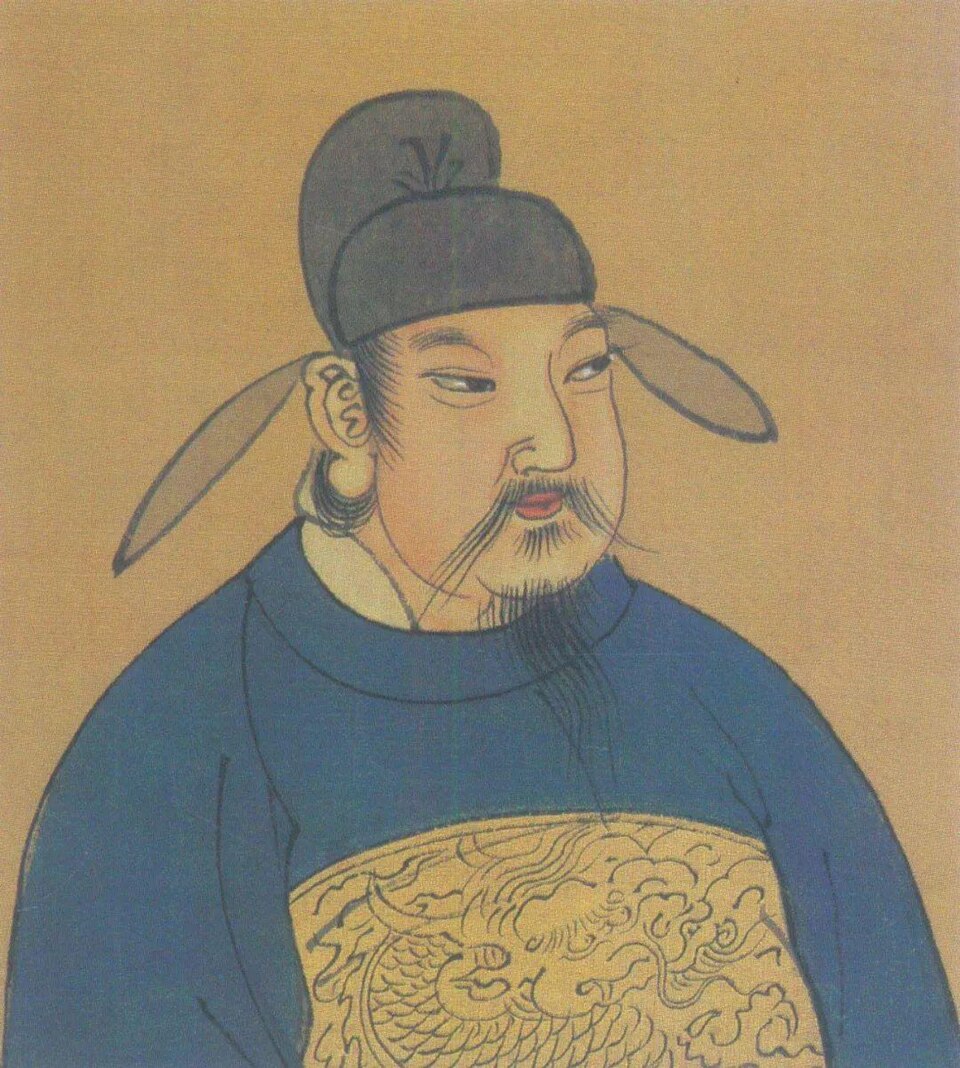
Unknown author Unknown author / Wikimedia Commons (Public domain) source Birth of Emperor Xuanzong of Tang 唐玄宗
Emperor Xuanzong of the Tang dynasty was born in 685. He is known for overseeing a flourishing of culture and the arts, with poets such as Li Bai and Du Fu thriving under his reign.
His reign is often seen as the pinnacle of the Tang dynasty's cultural achievements.
Read more
https://www.flickr.com/photos/petenowakowski/ / Wikimedia Commons (CC BY 2.0) sourcelicence Birth of Chinese Football Player Ye Chugui
Ye Chugui, a notable Chinese football player, was born in 1994. He has played for various clubs in China's leagues, showcasing his skills on the field.
He reflects the growing prominence of football in China.
Read more
这是一个虎。
Zhè shì yī gè hǔ.
This is a tiger.
A simple sentence introducing the word for tiger.
老虎很强壮。
Lǎohǔ hěn qiángzhuàng.
The tiger is very strong.
Describes a common characteristic of tigers.
虎头帽可以保护孩子。
Hǔ tóu mào kěyǐ bǎohù háizi.
A tiger-head hat can protect a child.
Links the symbolism of protection to the tiger.
他有虎的勇气。
Tā yǒu hǔ de yǒngqì.
He has the courage of a tiger.
Uses the tiger metaphorically to describe courage.
Using 能够 (nénggòu)
subject + 能够 + verb phrase
The pattern is used to express ability or possibility to do something.
Use when you want to express that someone can or is able to do something.
他能够保护家人。
Tā nénggòu bǎohù jiārén.
He can protect his family.
我能够完成任务。
Wǒ nénggòu wánchéng rènwù.
I can complete the task.
他们能够成功。
Tāmen nénggòu chénggōng.
They can succeed.
What does 虎 mean?
How is 虎 pronounced?
How do you write "tiger" in Chinese?
Listen. What does the sentence mean?
他的勇气像___一样。(His courage is like a ___.)
孩子戴着虎头帽。 — What does this sentence mean?
Why do children wear tiger-head hats in Chinese culture?
Arrange into a correct sentence
Which Tang dynasty emperor was born on this day?
What sport is Ye Chugui known for?
Frequently asked questions about the word 虎
The correct pronunciation is 'hǔ' with a falling-rising tone.
Yes, 虎 is often used in idiomatic expressions like 虎虎生威 (hǔ hǔ shēng wēi), meaning 'to show one's strength and power.'
Yes, during the Spring Festival, decorations with tigers might be used for those born in the Year of the Tiger.
Chinese Learner’s Horoscope
Your sign’s reading for today, written for learners.
Find your sign
The Chinese zodiac assigns each birth year one of twelve animals, each paired with an element that colours its character. Yours shapes a reading written for learners.
- Your sign and its elementOne of twelve animals on a 12-year cycle
- A daily affirmationFresh every morning, never repeated
- A learning horoscopeWhat to study today, and when
- A lucky characterWith pinyin, meaning and a study tip
Your birth date
Saved on this device — used only to work out your zodiac sign.
Today's Mandarin word: 虎 (hǔ) — tiger.
Learn it on Mandarin Temple's Dragon Daily 🐉