
August 28, 2026 · 星期五
Chinese Dance
舞蹈· to dance

 Today’s episode with Jason & Amy
Chinese dance showcases the cultural diversity and artistic heritage of China's many ethnic groups.
处暑 signals that the oppressive summer heat is finally retreating, with 处 here meaning to halt or withdraw. Mornings and evenings turn crisp, the air loses its heaviness, and the harvest of autumn crops begins.
Coastal communities hold fishing festivals to celebrate the open season, and people eat duck, believed to nourish the body in autumn.
Chinese Dance
舞蹈wǔ dǎo
Chinese dance, or 舞蹈 (wǔdǎo), is a rich and diverse art form that reflects the cultural tapestry of China. Spanning thousands of years, it includes traditional dances like the graceful silk-sleeve dance, which is characterized by its fluid movements and long flowing sleeves. These dances often tell stories or represent aspects of nature and human life, offering a glimpse into the values and aesthetics of ancient Chinese culture[1].
In addition to classical styles, Chinese dance also includes a variety of folk dances. Each ethnic group in China has its own unique traditions and customs, which are vividly expressed through dance. For instance, the Yi ethnic group's dances feature intricate footwork and colorful costumes, while the Mongolian dances are known for their energetic and dynamic movements resembling horseback riding. These folk dances serve as a celebration of community and heritage, preserving the unique cultural identity of each group[2].
Modern Chinese dance continues to evolve, integrating contemporary influences while maintaining traditional elements. Dance academies and cultural festivals across China and abroad showcase these evolving styles, helping to keep the tradition of 舞 alive and thriving. Today, as dancers perform on stages worldwide, they bring with them stories and expressions that transcend language barriers, connecting audiences to China's rich artistic heritage.
With August 28 marking the 16th day of the 7th lunar month, a day often associated with various cultural celebrations, it is a fitting time to appreciate the beauty and diversity of Chinese dance. The word 舞, meaning "to dance," encapsulates the spirit of movement and expression inherent in these performances, making it an integral part of China's cultural expression.
Chinese dance showcases the cultural diversity and artistic heritage of China's many ethnic groups.
今天我们一起跳舞。
Jīntiān wǒmen yīqǐ tiàowǔ.
Today we dance together.
- [1] Shen Yun Performing Arts, Chinese Dance
- [2] Yang Liping's Dynamic Yunnan: The Spirit of Chinese Folk Dance
Jason & Amy on 舞
Podcast: Dragon Daily: Chinese Dance — and the word 舞
Jason & Amy on Chinese Dance and 舞
New here?
August 28, 2026
Today in Chinese cultural history, we celebrate notable figures in cinema and royalty.
Birth of Taichang Emperor of China 泰昌帝
In 1582, the Taichang Emperor was born. He was the 14th emperor of the Ming dynasty and is remembered for his short reign and mysterious death, which has intrigued historians.
The Taichang Emperor's reign is pivotal in understanding the complexities of Ming dynasty succession.
Read more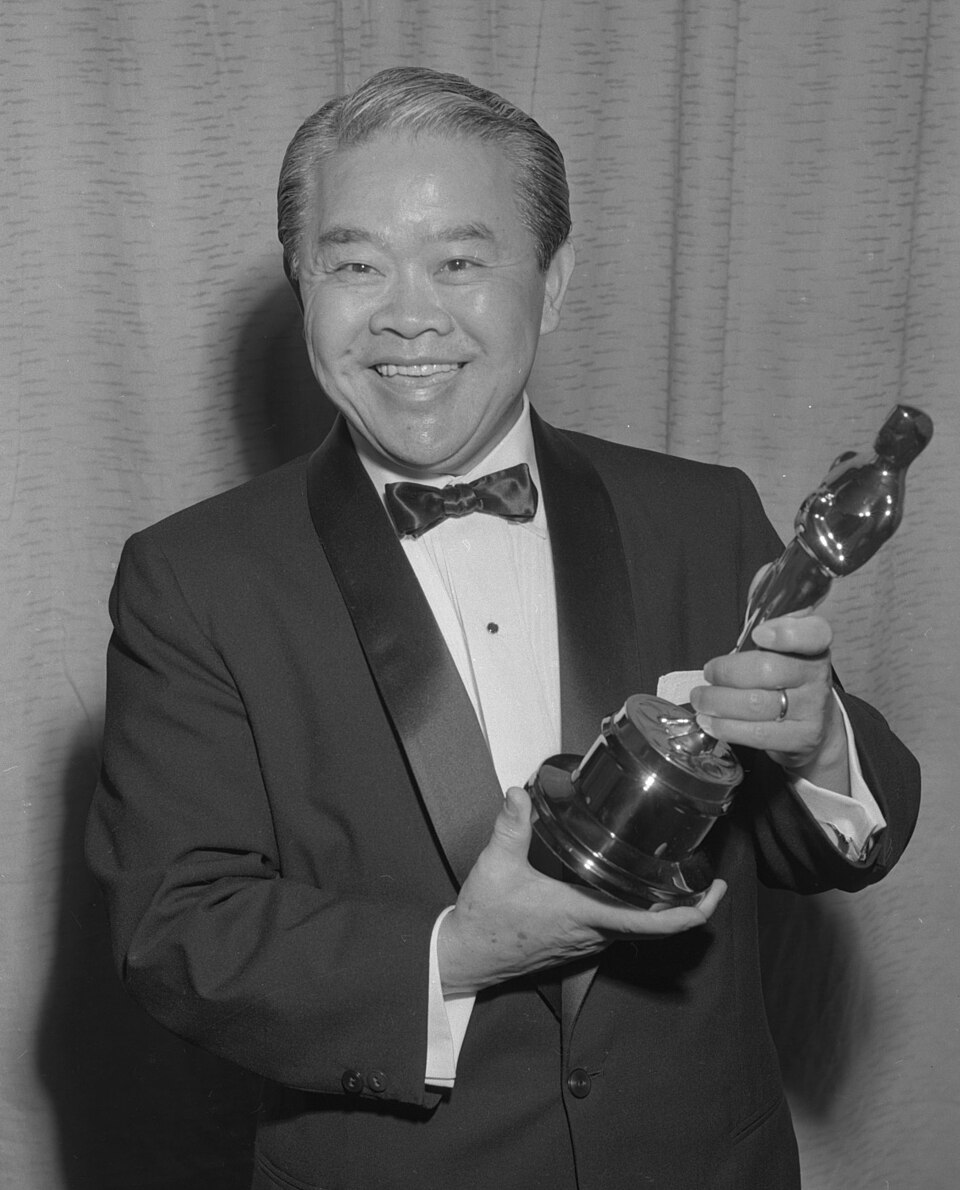
UCLA Library Special Collections / Wikimedia Commons (CC BY 2.0) sourcelicence Birth of James Wong Howe, Influential Cinematographer 黄宗霑
James Wong Howe, born in 1899, was a groundbreaking Chinese American cinematographer known for his innovative techniques in film lighting and camera work. He was nominated for ten Academy Awards, winning twice for his work on 'The Rose Tattoo' and 'Hud'.
Howe's pioneering techniques continue to influence filmmakers today.
Read more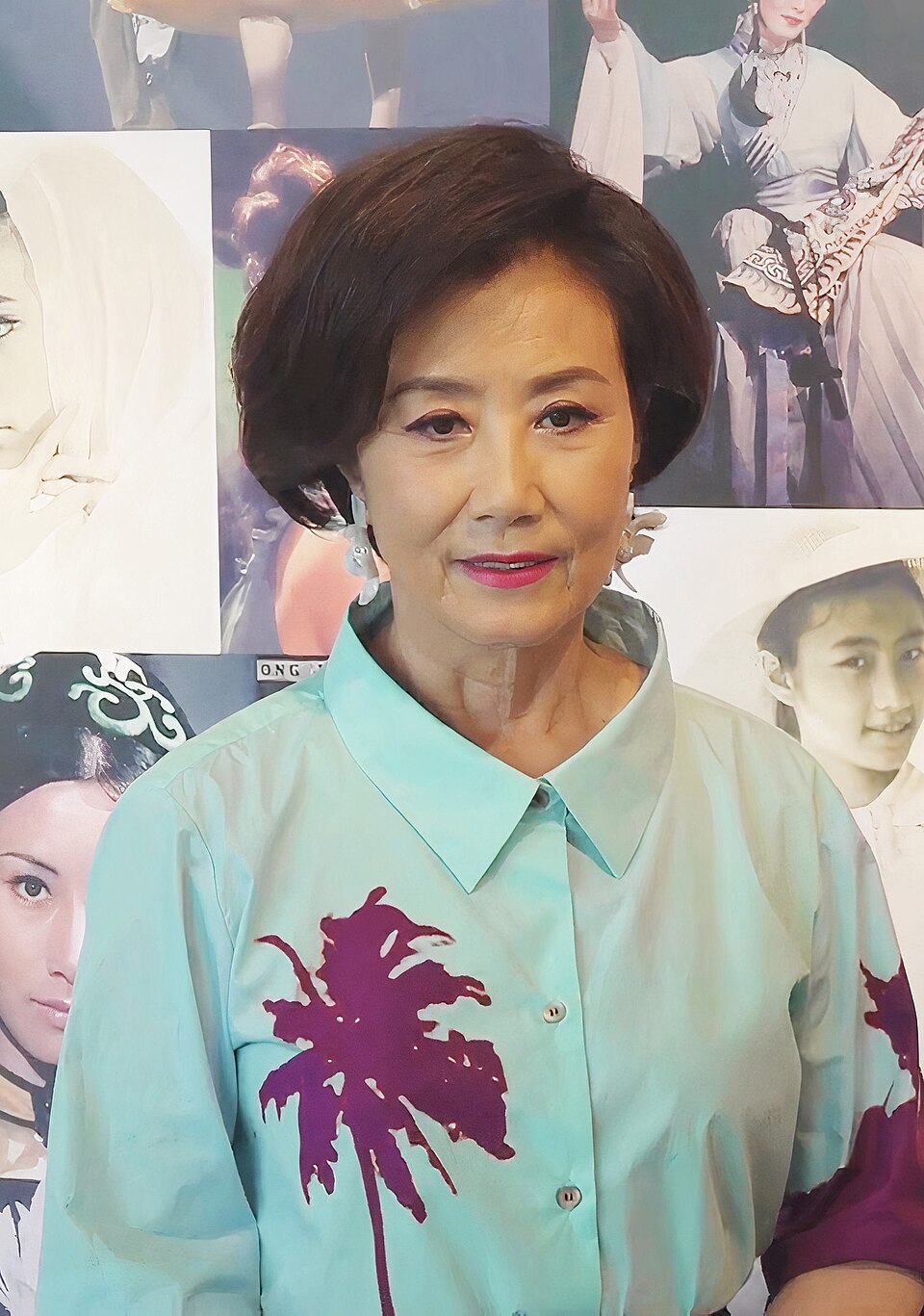
中国新闻网 / Wikimedia Commons (CC BY 3.0) sourcelicence Birth of Liza Wang, Renowned Actress and Singer 汪明荃
Liza Wang, born in 1947, is a celebrated actress and singer from Hong Kong. With a career spanning over five decades, she has become a cultural icon, known for her roles in television dramas and her contributions to Cantonese opera.
Liza Wang remains a symbol of dedication and talent in the Hong Kong entertainment industry.
Read more
我会跳舞。
Wǒ huì tiàowǔ.
I can dance.
This simple sentence uses 舞 in the context of being able to dance.
她喜欢民族舞。
Tā xǐhuān mínzú wǔ.
She likes ethnic dance.
This sentence shows 舞 in a phrase, referring to a style of dance.
他们表演了传统的舞蹈。
Tāmen biǎoyǎnle chuántǒng de wǔdǎo.
They performed a traditional dance.
Here, 舞 is part of the word 舞蹈, indicating a dance performance.
舞是无声的诗。
Wǔ shì wúshēng de shī.
Dance is a silent poem.
This abstract sentence compares dance to poetry, illustrating its expressive nature.
Using 会 to Indicate Ability
会 + verb
会 is used to express the ability or possibility to do something, similar to 'can' or 'is able to' in English.
Use 会 before a verb to indicate capability.
我会说中文。
Wǒ huì shuō Zhōngwén.
I can speak Chinese.
他会开车。
Tā huì kāichē.
He can drive.
我们会唱歌。
Wǒmen huì chànggē.
We can sing.
What does 舞 mean?
How is 舞 pronounced?
How do you write "to dance" in Chinese?
Listen. What does the sentence mean?
今天晚上我们要___。(Tonight we will ___.
他喜欢跳舞 — What does this sentence mean?
What is a key feature of Chinese silk-sleeve dance?
Arrange into a correct sentence
Which Hong Kong actress and singer was born in 1947?
Who was James Wong Howe?
Frequently asked questions about the word 舞
You can say '我喜欢跳舞' (Wǒ xǐhuān tiàowǔ) meaning 'I like to dance'.
No, 舞 can refer to any form of dancing, including modern dance styles.
While both mean 'to dance', 舞 (wǔ) often refers to a more structured form, while 跳 (tià) can mean 'to jump' or 'to leap', often in a less formal context.
Chinese Learner’s Horoscope
Your sign’s reading for today, written for learners.
Find your sign
The Chinese zodiac assigns each birth year one of twelve animals, each paired with an element that colours its character. Yours shapes a reading written for learners.
- Your sign and its elementOne of twelve animals on a 12-year cycle
- A daily affirmationFresh every morning, never repeated
- A learning horoscopeWhat to study today, and when
- A lucky characterWith pinyin, meaning and a study tip
Your birth date
Saved on this device — used only to work out your zodiac sign.
Today's Mandarin word: 舞 (wǔ) — to dance.
Learn it on Mandarin Temple's Dragon Daily 🐉