
August 12, 2026 · 星期三
Clay Figurines
泥人· mud

 Today’s episode with Jason & Amy
The word 泥 connects to today's story as it is the material used to craft the clay figurines, Nírén.
立秋 marks the official start of autumn, though the lingering "autumn tiger" heat often hangs on for weeks. Subtle signs appear — a cooler breeze at dawn, the first yellowing leaves, ripening fruit.
People practice 贴秋膘 ("sticking on autumn fat"), eating hearty meats to recover weight lost in summer, and bite into melon (啃秋).
Clay Figurines
泥人ní rén
Nírén (泥人) are painted clay figurines that have been a part of Chinese culture for centuries. These small sculptures are typically crafted from clay, or 泥 (ní), and are known for their vibrant colors and intricate details. Each figurine captures the essence of everyday life, representing characters from various walks of life, such as farmers, scholars, and children. The artistry involved in creating these figurines is passed down through generations, with each artist adding their unique touch to the tradition[1].
The city of Tianjin is especially famous for its clay figurines, notably the Zhang family workshop, which has been producing these exquisite pieces since the late Qing dynasty. The Zhang's Nírén are celebrated for their expressiveness and attention to detail, making them highly sought after by collectors and art enthusiasts alike. The process of making these figurines involves molding the clay into shape, allowing it to dry, and then meticulously painting the surface to bring the characters to life. The use of vibrant colors and fine brushwork is crucial in highlighting the personality and emotions of each character[2].
Today, Nírén continue to be an important cultural symbol in China, reflecting the nation's rich artistic heritage. They are often displayed during festivals and are popular as souvenirs. These figurines also provide a glimpse into the daily lives and cultural practices of the past, serving as a bridge between modern times and historical traditions. The enduring popularity of Nírén highlights the timeless appeal of this art form, which continues to inspire both artists and admirers around the world.
The word 泥 connects to today's story as it is the material used to craft the clay figurines, Nírén.
泥人是艺术品。
Nírén shì yìshùpǐn.
Clay figurines are artworks.
- [1] Zhang Mingshan, a famous clay figurine artist from Tianjin, known for his Nírén.
- [2] UNESCO recognition of traditional Chinese craftsmanship, including clay figurine making, 2010.
Jason & Amy on 泥
Podcast: Dragon Daily: Clay Figurines — and the word 泥
Jason & Amy on Clay Figurines and 泥
New here?
August 12, 2026
Today highlights a renowned Hong Kong singer-songwriter and the legacy of a Ming dynasty emperor.
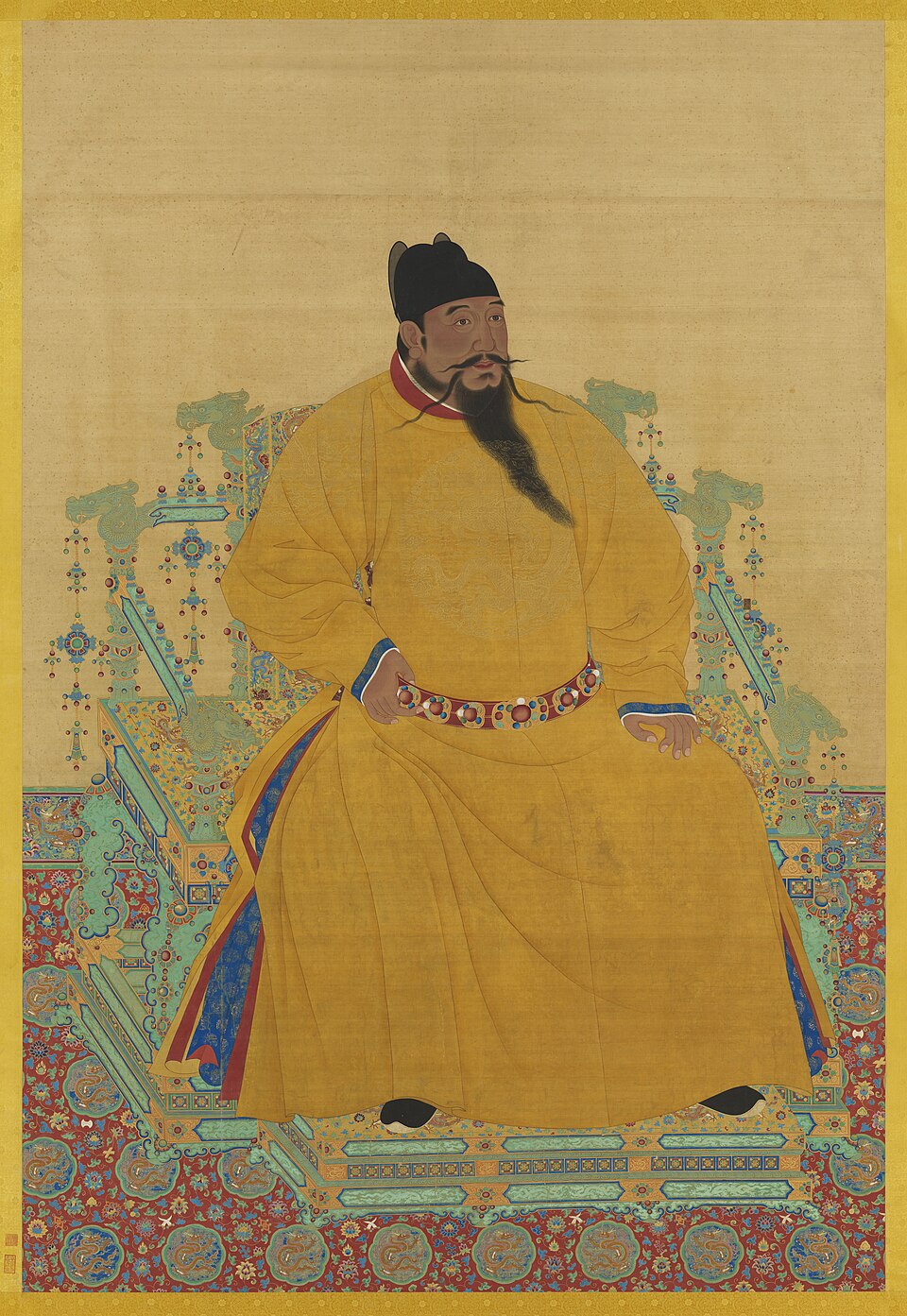
Unknown author Unknown author / Wikimedia Commons (Public domain) source Death of the Yongle Emperor of the Ming Empire 永乐帝
The Yongle Emperor, one of the most influential rulers of the Ming dynasty, passed away in 1424. He is known for relocating the capital to Beijing and commissioning the Yongle Encyclopedia.
Yongle's reign is noted for strengthening the state and advancing science and culture, leaving a lasting impact on Chinese history.
Read more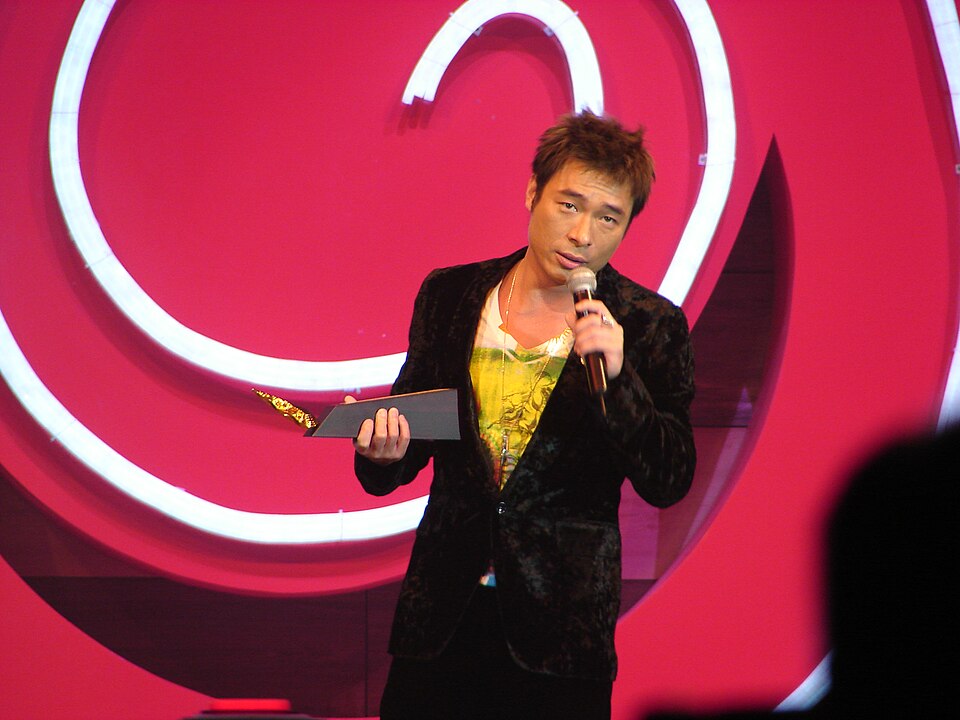
Verity / Wikimedia Commons (CC BY-SA 2.0) sourcelicence Birth of Hong Kong Singer Andy Hui 许志安
Andy Hui, a celebrated Hong Kong singer-songwriter and actor, was born in 1967. Known for his romantic ballads, he gained fame in the Cantopop genre alongside contemporaries like Jacky Cheung.
Andy's music continues to influence Cantopop and has earned him a lasting place in Hong Kong's music scene.
Read more
泥是粘土。
Ní shì niántǔ.
Mud is clay.
This sentence shows that '泥' means 'mud'.
孩子们在玩泥。
Háizimen zài wán ní.
The children are playing with mud.
Demonstrates using 泥 in a playful context.
泥塑是传统艺术。
Nísù shì chuántǒng yìshù.
Clay sculpture is a traditional art.
Here, '泥' is used in the context of art.
他用泥塑造了历史人物。
Tā yòng ní sùzào le lìshǐ rénwù.
He sculpted historical figures from clay.
Uses '泥' in a more abstract, creative context.
Using 是 to define or describe
Noun + 是 + Noun/Adjective
The pattern is used to define or describe a subject, showing equivalence or a state.
Use this pattern to state facts or describe characteristics.
这是一本书。
Zhè shì yī běn shū.
This is a book.
他是老师。
Tā shì lǎoshī.
He is a teacher.
今天天气很好。
Jīntiān tiānqì hěn hǎo.
Today the weather is nice.
What does 泥 mean?
How is 泥 pronounced?
How do you write "mud" in Chinese?
Listen. What does the sentence mean?
孩子们喜欢玩___。(The children like to play with ___.).
孩子们在玩泥 — What does this sentence mean?
Which city is famous for its clay figurines?
Arrange into a correct sentence
Which Hong Kong singer-songwriter, born in 1967, gained fame in the Cantopop genre?
What is the Yongle Emperor known for during his reign?
Frequently asked questions about the word 泥
泥 refers specifically to mud or clay, while 土 refers to soil or earth in a broader sense.
Yes, 泥 can imply restraint or being stuck, similar to the English phrase 'stuck in the mud'.
Yes, it's commonly used when discussing construction, pottery, or even in idiomatic expressions.
Chinese Learner’s Horoscope
Your sign’s reading for today, written for learners.
Find your sign
The Chinese zodiac assigns each birth year one of twelve animals, each paired with an element that colours its character. Yours shapes a reading written for learners.
- Your sign and its elementOne of twelve animals on a 12-year cycle
- A daily affirmationFresh every morning, never repeated
- A learning horoscopeWhat to study today, and when
- A lucky characterWith pinyin, meaning and a study tip
Your birth date
Saved on this device — used only to work out your zodiac sign.

Today's Mandarin word: 泥 (ní) — mud.
Learn it on Mandarin Temple's Dragon Daily 🐉