
August 9, 2026 · 星期日
Silk Embroidery
刺绣· to embroider

 Today’s episode with Jason & Amy
The word 绣 (xiù) connects to today's story as it means 'to embroider,' highlighting the craftsmanship involved in silk embroidery.
立秋 marks the official start of autumn, though the lingering "autumn tiger" heat often hangs on for weeks. Subtle signs appear — a cooler breeze at dawn, the first yellowing leaves, ripening fruit.
People practice 贴秋膘 ("sticking on autumn fat"), eating hearty meats to recover weight lost in summer, and bite into melon (啃秋).
Silk Embroidery
刺绣cì xiù
Silk embroidery, known as 刺绣 (cìxiù), is a celebrated art form in China, reaching its height with four distinguished regional styles: Suzhou, Hunan, Sichuan, and Guangdong. Each style is renowned for its unique techniques and themes, often featuring delicate depictions of nature, such as birds, flowers, and landscapes. The Suzhou style, for instance, is famous for its fine, detailed stitches and realistic imagery, while the Hunan style is known for its bold colors and strong contrasts, often depicting tigers and lions[1].
The process of creating silk embroidery involves using thin, glossy silk threads on silk fabric. Artisans meticulously 绣 (xiù) each piece by hand, a skill that requires immense patience and precision. This art form has been passed down through generations, with each region preserving its unique identity while also embracing innovation. For example, contemporary artists are now integrating modern designs and themes into traditional techniques, ensuring the continued relevance and evolution of 刺绣 in the modern age[1].
August 9th is a fitting occasion to appreciate the artistry and cultural significance of 刺绣, as it falls within the Year of the Horse, a symbol of perseverance and beauty. Much like the horse, silk embroidery represents grace and strength, qualities deeply embedded in the cultural fabric of China. As you explore this art form, remember that every stitch tells a story, weaving together the rich tapestry of Chinese heritage.
The word 绣 (xiù) connects to today's story as it means 'to embroider,' highlighting the craftsmanship involved in silk embroidery.
她正在绣花。
Tā zhèngzài xiù huā.
She is embroidering flowers.
- [1] UNESCO: Traditional Craftsmanship of Chinese Embroidery
Jason & Amy on 绣
Podcast: Dragon Daily: Silk Embroidery — and the word 绣
Jason & Amy on Silk Embroidery and 绣
New here?
August 9, 2026
Today highlights important cultural moments in literature and martial arts history.
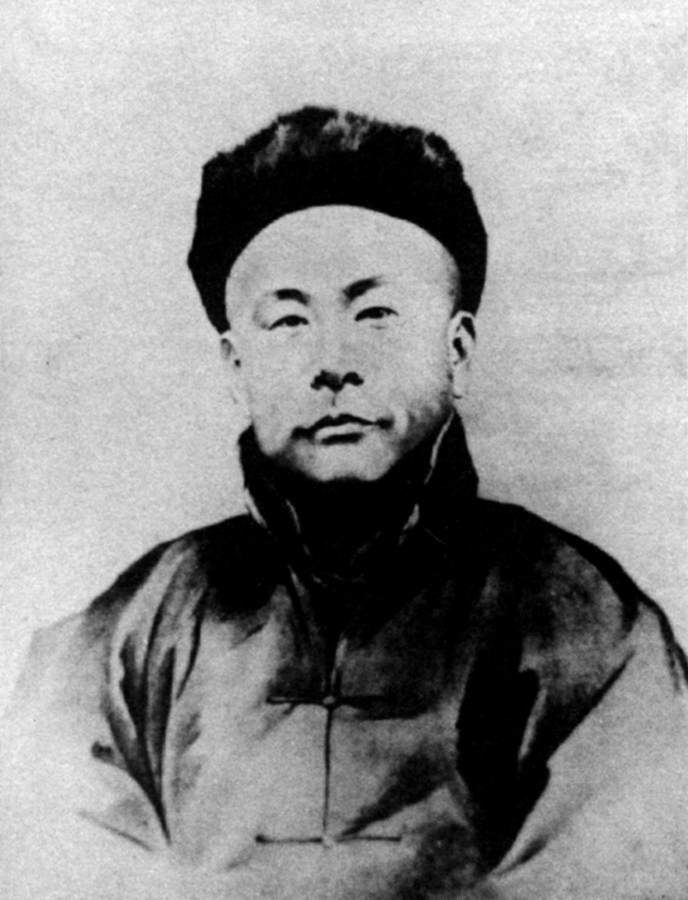
Unknown author / Wikimedia Commons (Public domain) source Death of martial artist Huo Yuanjia 霍元甲
Huo Yuanjia, a renowned Chinese martial artist who co-founded the Chin Woo Athletic Association, passed away. He was known for his personal bravery and contributions to Chinese martial arts.
Huo's legacy continues to inspire martial arts practitioners around the world.
Read moreThe Blue Lotus begins serialisation 《蓝莲花》
Hergé's 'The Blue Lotus,' part of The Adventures of Tintin, began serialisation. It counters negative stereotypes about Chinese people and highlights accurate cultural representations, with the story set in 1930s China.
The book remains influential for its respectful portrayal of Chinese culture.
Read more
她在绣布。
Tā zài xiù bù.
She is embroidering cloth.
This sentence shows the basic action of embroidering.
妈妈教我如何绣花。
Māma jiāo wǒ rúhé xiù huā.
Mom teaches me how to embroider flowers.
This example shows the teaching of embroidery skills.
这幅画是用丝线绣成的。
Zhè fú huà shì yòng sīxiàn xiù chéng de.
This painting is embroidered with silk threads.
The sentence describes a completed work of embroidery.
刺绣体现了细致的工艺。
Cìxiù tǐxiàn le xìzhì de gōngyì.
Embroidery reflects meticulous craftsmanship.
This sentence uses 绣 to imply the intricate nature of embroidery.
用 + Noun + Verb
用 + noun + verb
This pattern is used to indicate the use of something to perform an action.
Use this structure to describe using a tool or method to do something.
她用针线绣花。
Tā yòng zhēnxiàn xiù huā.
She uses a needle and thread to embroider flowers.
他用电脑工作。
Tā yòng diànnǎo gōngzuò.
He uses a computer to work.
我们用笔写字。
Wǒmen yòng bǐ xiězì.
We use a pen to write.
What does 绣 mean?
How is 绣 pronounced?
How do you write "to embroider" in Chinese?
Listen. What does the sentence mean?
她用针线___花。(She uses a needle and thread to ___ flowers.)
她正在绣花。 — What does this sentence mean?
Which style of Chinese embroidery is known for its realistic imagery?
Arrange into a correct sentence
Which Tintin book began serialisation in 1934?
What is Huo Yuanjia best known for?
Frequently asked questions about the word 绣
You can say, '她喜欢绣花' (Tā xǐhuān xiù huā - She likes to embroider flowers).
While it primarily refers to fabric embroidery, it can also metaphorically describe embellishing or decorating other forms, like art or writing.
Think of 'xiù' as sounding like 'shoe,' which can help you recall the word when thinking about beautiful embroidered shoes.
Chinese Learner’s Horoscope
Your sign’s reading for today, written for learners.
Find your sign
The Chinese zodiac assigns each birth year one of twelve animals, each paired with an element that colours its character. Yours shapes a reading written for learners.
- Your sign and its elementOne of twelve animals on a 12-year cycle
- A daily affirmationFresh every morning, never repeated
- A learning horoscopeWhat to study today, and when
- A lucky characterWith pinyin, meaning and a study tip
Your birth date
Saved on this device — used only to work out your zodiac sign.
Today's Mandarin word: 绣 (xiù) — to embroider.
Learn it on Mandarin Temple's Dragon Daily 🐉