
Podcast


Podcast: The Hukou System: China's Internal Passport
Listen to Jason & Amy discuss The Hukou System: China's Internal Passport
New here?
Origins and Establishment
The household registration system has deep roots in Chinese administrative history, reaching back to the baojia (保甲) mutual-responsibility system that imperial governments used for centuries to monitor, tax, and conscript the population. Dynastic states from the Qin (221–206 BCE) through the Qing (1644–1912) maintained various forms of household registers that recorded family composition, property holdings, and residential location, providing the informational infrastructure for taxation, corvée labor, and military conscription. The modern hukou system, however, is a distinctively socialist creation, modeled on the Soviet propiska (residence permit) system and established through the "Regulations on Household Registration in the People's Republic of China" promulgated on January 9, 1958. This legislation created the binary classification that would define the system for the next seven decades: every Chinese citizen was assigned either an "agricultural" (nongye) or "non-agricultural" (fei nongye) household registration status, tied to a specific geographic location and passed from parent to child through maternal lineage (changed to either parent in 1998). The distinction between agricultural and non-agricultural hukou was not merely administrative but constitutive — it determined virtually every aspect of an individual's relationship with the state, from food rations and housing allocation to educational access and employment eligibility (Chan, 2019, pp. 1–28).
The establishment of the hukou system must be understood in the context of the Chinese Communist Party's broader project of socialist transformation during the 1950s. The collectivization of agriculture, the nationalization of industry, and the creation of a centrally planned economy required mechanisms for controlling the distribution of labor across sectors and regions — and, crucially, for preventing the mass rural-to-urban migration that would have overwhelmed the limited resources available for urban provisioning. The hukou system accomplished this by creating an institutional barrier between countryside and city that was, in practice, nearly as impermeable as an international border. Rural hukou holders were not permitted to reside permanently in cities, were ineligible for urban food rations (distributed through the grain coupon system), and could not access urban housing, education, or healthcare. Conversely, urban hukou holders received a comprehensive package of state-provided benefits — guaranteed employment, subsidized housing, free education, pension and healthcare coverage — that constituted the "iron rice bowl" (tie fanwan) of the socialist welfare state. This dual system effectively created two classes of Chinese citizenship, with urban residents enjoying a standard of living and social security that rural residents could only observe from afar (Cheng and Selden, 1994, pp. 644–668).
The rationale for the hukou system combined ideological, economic, and political considerations that, while internally coherent within the logic of Maoist socialism, created social inequities that would grow increasingly untenable as China's economy developed. Economically, the system enabled the state to extract agricultural surplus from the countryside to finance urban industrialization — a process of "primitive socialist accumulation" that historian Mark Selden has compared to the enclosure movements of early capitalist Europe. Politically, the hukou system served as a mechanism of social control, enabling the state to monitor population movement, track individuals, and prevent the formation of an unregulated urban underclass that might become a source of political instability. Ideologically, the system was justified by the Marxist distinction between workers and peasants as distinct revolutionary classes with different roles in socialist construction — a distinction that, in practice, translated into radically different entitlements and life chances. The cumulative effect was the creation of what sociologist Tiejun Cheng has called "a system of apartheid with Chinese characteristics" — a comparison that, while controversial, captures the structural similarity between the hukou system's binary division of citizenship and other historical systems of legally enforced social stratification (Solinger, 1999, pp. 22–48).
The Great Migration
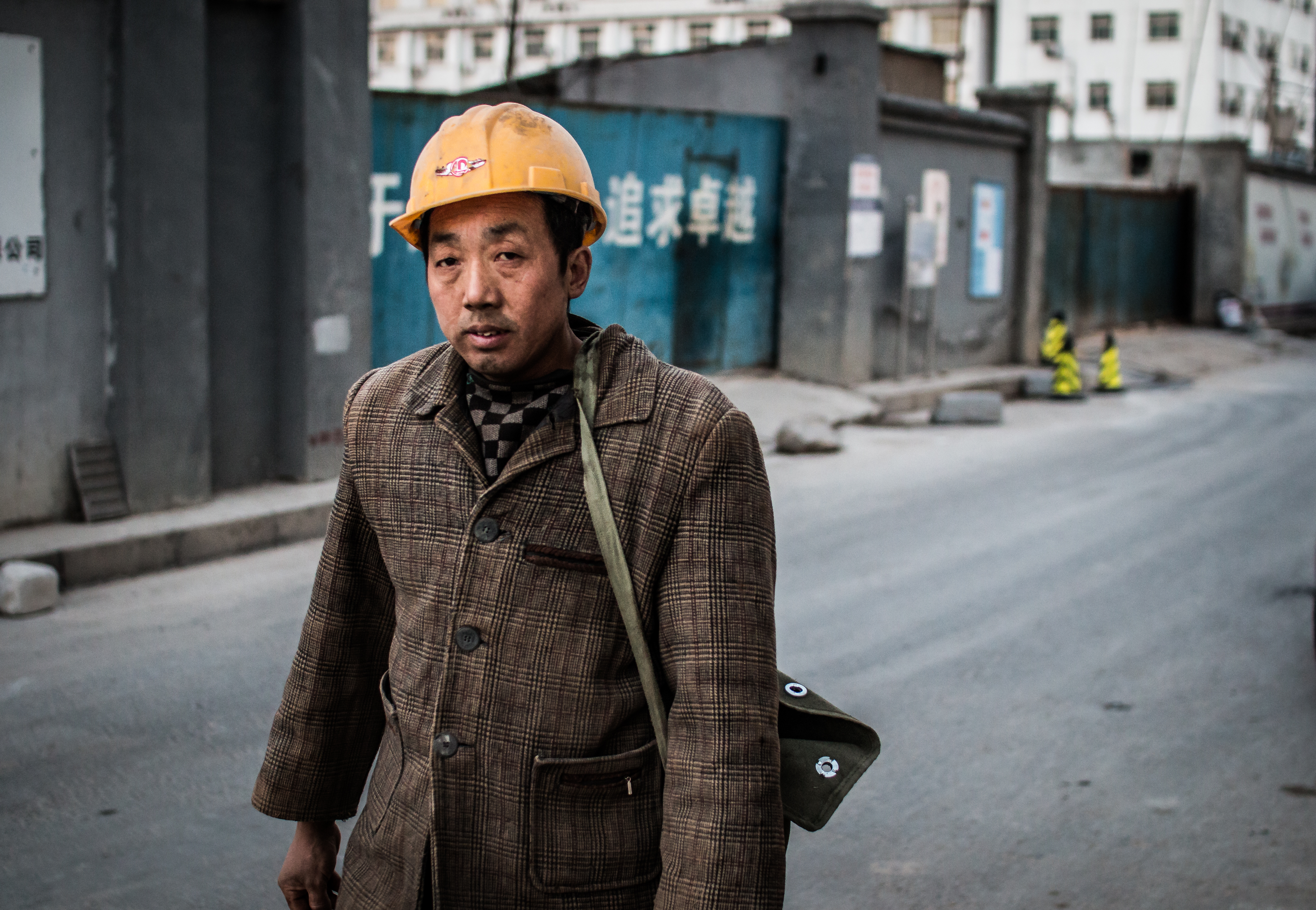
The economic reforms initiated by Deng Xiaoping in 1978 set in motion the largest peacetime migration in human history, as hundreds of millions of rural Chinese moved to cities in search of employment, education, and opportunity — a demographic transformation that fundamentally challenged the hukou system's capacity to maintain the urban-rural divide. The dismantling of the People's Communes, the introduction of the Household Responsibility System in agriculture, and the creation of Special Economic Zones in coastal cities generated an enormous demand for labor that could not be met by the existing urban population alone. Beginning in the early 1980s, rural workers began flowing into cities in a stream that grew into a torrent: by 1990, the "floating population" (liudong renkou) of rural migrants living in cities without local hukou had reached approximately 70 million; by 2000, it exceeded 140 million; and by 2020, it had surpassed 290 million — a population larger than that of every country on Earth except China, India, and the United States. These migrants built China's skyscrapers, staffed its factories, cleaned its streets, cooked its food, and delivered its packages, providing the low-cost labor that fueled the country's extraordinary economic growth while remaining, in legal terms, visitors in the cities where they lived and worked (Chan, 2019, pp. 35–62).
The experience of rural-to-urban migration under the hukou system has been characterized by a systematic exclusion from urban social services that creates a permanent underclass of second-class urban residents. Migrant workers and their families, lacking local urban hukou, are typically ineligible for subsidized public housing, must pay significantly higher fees to enroll their children in urban public schools (if they are admitted at all), cannot access urban healthcare facilities on the same terms as registered residents, and are excluded from local pension and unemployment insurance programs. The educational exclusion is particularly consequential: because gaokao registration is tied to hukou location, migrant children who have attended urban schools for their entire lives must return to their parents' registered province to sit for the college entrance examination — a requirement that forces millions of families to choose between keeping their children in unfamiliar rural schools or maintaining family unity in the city. The resulting phenomenon of "left-behind children" (liushou ertong), estimated to number over 60 million, represents one of the most poignant human costs of the hukou system, as parents are compelled to leave their children with rural grandparents in order to earn the wages needed to support the family (Solinger, 1999, pp. 55–82).
The spatial manifestation of hukou-based exclusion is visible in the "urban villages" (chengzhongcun) and migrant enclaves that exist within or adjacent to Chinese cities, housing communities of rural migrants in densely packed, poorly serviced settlements that stand in stark contrast to the gleaming residential towers of registered urban residents. These informal settlements — legally part of the city but socially and institutionally separate from it — provide affordable housing and a sense of community for migrants who cannot access the formal urban housing market, but they are also associated with overcrowding, inadequate sanitation, high crime rates, and periodic demolition campaigns by municipal governments seeking to "clean up" (zhengzhi) urban space. The daily experience of migrant workers in Chinese cities is thus marked by a pervasive sense of conditional presence — they are permitted to work, to spend, and to contribute to the urban economy, but they are not permitted to belong, to settle, or to claim the rights and services that registered urban citizens take for granted (Cheng and Selden, 1994, pp. 672–698).
"Builders of the city, but not masters of the city."
Common description of migrant workers in Chinese mediaHukou and Educational Inequality
The intersection of the hukou system and China's educational infrastructure represents one of the most consequential mechanisms through which social inequality is reproduced across generations, creating a cycle of disadvantage that begins at birth and extends through the entire educational career. China's system of educational finance is primarily local, with county and municipal governments bearing the majority of costs for basic education — a fiscal structure that produces enormous disparities in educational quality between wealthy urban districts and impoverished rural counties. Children registered with rural hukou in poor inland provinces attend schools with lower per-pupil funding, less qualified teachers, inferior facilities, and fewer educational resources than their counterparts in major cities, creating achievement gaps that widen progressively through the primary and secondary years. National assessments have consistently documented significant urban-rural disparities in reading, mathematics, and science achievement, with rural students performing, on average, one to two grade levels below their urban peers by the end of compulsory education (Hannum, 2005, pp. 275–298).
For the children of migrant workers who accompany their parents to cities, the hukou system creates a distinctive form of educational precarity. Although central government regulations technically require urban public schools to admit migrant children, implementation varies enormously across municipalities, and many families encounter prohibitive bureaucratic requirements — including employment contracts, social insurance certificates, tax records, and rental agreements — that effectively exclude the most disadvantaged migrants from access to quality urban schools. The alternative is a network of privately operated "migrant schools" (mingong zidi xuexiao), unregulated institutions that offer instruction at low cost but frequently lack qualified teachers, adequate facilities, and accreditation for student promotion. Research has documented significant academic achievement gaps between migrant children and their urban-registered peers, even when they attend the same schools, reflecting the cumulative effects of residential instability, parental absence, cultural dislocation, and the psychological burden of social exclusion (Chan, 2019, pp. 68–92).
The most consequential educational impact of the hukou system manifests at the point of university admission, where the provincial quota system for gaokao registration ensures that educational opportunity is determined not only by individual merit but by the geographic accident of one's household registration. Students registered in Beijing enjoy access to the capital's disproportionate concentration of elite universities, with admission quotas that grant local residents a significantly higher probability of entering institutions like Peking University and Tsinghua University than students from populous provinces such as Henan, Shandong, or Guangdong. This geographic dimension of educational inequality has generated intense public anger and recurring political controversy, particularly when the children of migrant workers who have grown up and been educated in cities are forced to return to rural provinces to take the gaokao under an unfamiliar curriculum with fewer elite university slots available. Reform proposals have included calls for a national gaokao with uniform admission standards, the portability of educational credentials across provinces, and the gradual decoupling of educational access from hukou status — but progress has been slow, constrained by the resistance of urban constituencies that benefit from the current system and the fiscal challenges of equalizing educational provision across China's vast and economically diverse territory (Hannum, 2005, pp. 305–328).
Discuss with Jason
Want to talk this article through?
Jason discusses the article with you, quizzes you on it and teaches you words from it.
Sign in free to ask. New accounts start with 300 AI credits.
Reform Debates and Partial Liberalization
The reform of the hukou system has been a declared policy objective of every Chinese government since the 1990s, yet the pace and scope of actual reform have consistently fallen short of announced ambitions, reflecting the deep structural interests — fiscal, political, and social — that sustain the system despite its widely acknowledged inequities. The first significant reform came in 2014, when the State Council issued the "Opinions on Further Promoting the Reform of the Household Registration System," which officially abolished the formal distinction between "agricultural" and "non-agricultural" hukou and established a unified "resident" (jumin) registration system. This landmark policy change was widely hailed as the beginning of the end for the hukou system — but in practice, the reforms were far less transformative than they appeared, since the distinction between urban and rural residents was maintained through the continued linkage of social service access to place of registration rather than place of residence. Small cities and towns were instructed to open their hukou to essentially all applicants, medium-sized cities to adopt a points-based system, and large cities to maintain strict population controls — a graduated approach that directed migration toward smaller urban centers while protecting the largest cities from unrestricted population growth (Solinger, 1999, pp. 92–118).
The points-based hukou system (jifenluohu), adopted by major cities including Beijing, Shanghai, Guangzhou, and Shenzhen, represents the most prominent reform mechanism currently in operation, offering migrant residents a pathway to local hukou through the accumulation of points based on criteria such as education level, professional skills, tax contributions, property ownership, social insurance participation, and length of continuous residence. In theory, the points system replaces the binary hukou division with a meritocratic continuum in which any migrant can eventually qualify for local registration. In practice, the point thresholds are set so high that only a tiny fraction of migrants succeed: Beijing, for example, awarded local hukou to only approximately 6,000 applicants in 2018, out of over 124,000 who applied and a total migrant population exceeding 8 million. The criteria themselves tend to favor young, highly educated, high-income migrants — precisely the population that least needs the assistance of local hukou — while effectively excluding the construction workers, domestic helpers, delivery drivers, and factory operatives who constitute the majority of the migrant workforce and who would benefit most from access to urban social services (Chan, 2019, pp. 98–125).
The political economy of hukou reform illuminates the fundamental obstacles that impede more radical liberalization. Municipal governments, which bear the fiscal burden of providing education, healthcare, housing subsidies, and pensions to registered residents, have powerful incentives to limit the expansion of local hukou, since each new registrant represents an additional claim on limited public resources. Urban residents, who have historically enjoyed privileged access to quality schools, hospitals, and subsidized housing, oppose reforms that would dilute these advantages by expanding eligibility to migrant populations. Local officials, whose performance evaluations emphasize economic growth and social stability, fear that rapid hukou liberalization could produce fiscal crises, overwhelm public services, and generate social tensions between established residents and newcomers. These interlocking interests create a formidable coalition of resistance that has slowed reform to an incremental pace, even as the economic and humanitarian case for fundamental change becomes increasingly urgent. The COVID-19 pandemic further exposed the system's cruelties, as migrant workers trapped in cities by lockdowns found themselves ineligible for local social assistance and unable to return to their registered provinces — a crisis that renewed calls for decoupling social service access from hukou status and created new political momentum for reform (Cheng and Selden, 1994, pp. 702–725).
"Same life, different value."
Popular Chinese saying critiquing hukou-based inequality in compensation lawHuman Stories of Migration
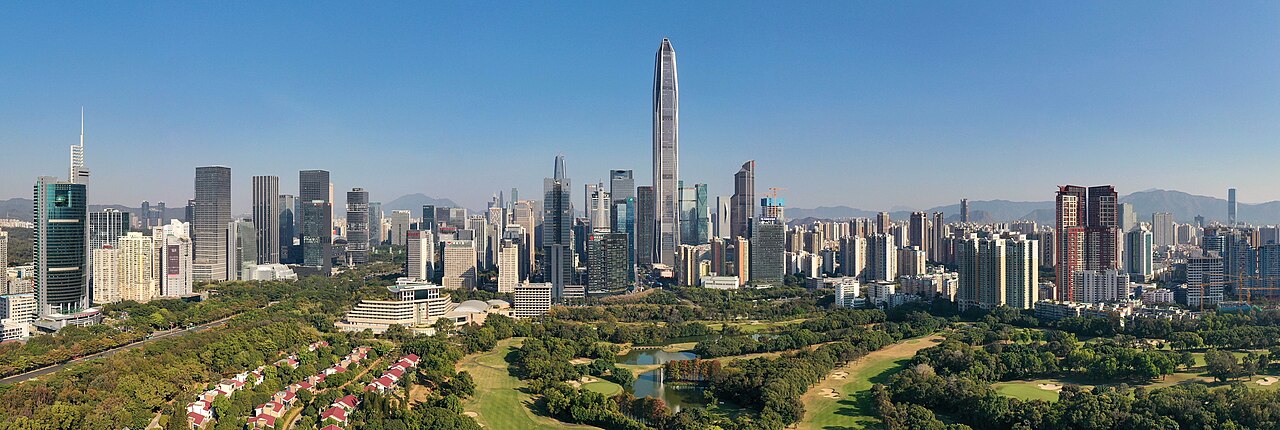
Behind the statistics and policy debates of the hukou system lie the lived experiences of hundreds of millions of individual Chinese citizens whose daily lives are shaped by the bureaucratic category inscribed on their household registration booklet. The narrative of the migrant worker (nongmingong, literally "peasant-worker") has become one of the defining stories of contemporary China — a story of extraordinary resilience, painful sacrifice, and stubborn hope that is simultaneously celebrated and lamented in Chinese literature, film, journalism, and social media. The typical trajectory begins in a rural village, where a young person in their late teens or early twenties boards a crowded train or bus bound for a distant city, carrying a small bag of possessions and the heavy weight of family expectations. They find work in a factory, on a construction site, or in a service establishment, often through introductions from relatives or fellow villagers who have preceded them — a contemporary manifestation of the guanxi networks that have always facilitated Chinese migration. They live in dormitories, shared apartments, or construction-site barracks, sending the majority of their earnings home as remittances that finance their children's education, their parents' medical bills, and the construction of a house in the village that they may someday return to occupy (Solinger, 1999, pp. 125–148).
The emotional landscape of migrant life under the hukou system is marked by a pervasive sense of displacement and double absence — absent from the families they have left behind in rural villages, yet unable to achieve full presence in the cities where they live and work. Sociological research has documented the profound psychological toll of this condition, including elevated rates of depression, anxiety, loneliness, and substance abuse among migrant workers compared to both rural non-migrants and urban registered residents. The experience of social discrimination compounds these difficulties: migrants frequently encounter prejudice from urban residents who regard them as uncultured, unhygienic, and potentially criminal — stereotypes reinforced by media portrayals that associate migrants with urban disorder and that echo historical patterns of discrimination against mobile populations in Chinese society. The term "migrant worker" (nongmingong) itself carries a stigmatizing resonance, its combination of "peasant" and "worker" marking its referents as occupying an ambiguous and inferior social position that is neither fully rural nor fully urban. Efforts to replace the term with more neutral alternatives, such as "new urban residents" (xin shimin), reflect an awareness that language both reflects and reinforces the social hierarchies that the hukou system creates (Chan, 2019, pp. 132–158).
The second generation of migrant children — those born in cities to migrant parents, or brought to cities at an early age — represents a population whose relationship to the hukou system is qualitatively different from that of their parents and whose expectations for the future may prove more politically consequential. Unlike the first generation, who arrived in cities as adults with established rural identities and a clear intention to return, second-generation migrants have often spent their entire conscious lives in urban environments, speak urban dialects, consume urban culture, and identify psychologically as city dwellers — yet remain classified as rural residents by a system that denies them the formal recognition their lived experience warrants. Research suggests that second-generation migrants are less willing than their parents to accept discrimination, more likely to assert their rights through legal and political channels, and more prone to feelings of frustration and alienation when confronted with the gap between their subjective urban identity and their bureaucratic rural classification. This growing population of educated, urbanized, and potentially restive young people may represent the constituency most likely to force meaningful reform of the hukou system, as their expectations of equal treatment collide with a bureaucratic apparatus designed for a world that no longer exists (Hannum, 2005, pp. 335–358).
"Where is my home?"
Recurring question in migrant worker testimonies and literatureThe Future of the Hukou System
The future trajectory of the hukou system will be shaped by the intersection of demographic pressures, economic imperatives, technological capabilities, and political calculations that are currently pulling Chinese policy in contradictory directions. On one hand, China's declining birth rate, aging population, and shrinking labor force create powerful incentives for hukou liberalization, as cities facing labor shortages and economic stagnation compete to attract migrants by offering more accessible paths to local registration. The urban population share, which exceeded 65 percent in 2023 (up from 18 percent in 1978), will continue to grow, and the economic logic of concentrating population in productive urban centers argues strongly for removing barriers to labor mobility. Several provincial capitals and second-tier cities have already effectively eliminated hukou restrictions for most applicants, and the central government's stated goal of achieving 70 percent urbanization by 2035 implies continued liberalization of the registration system. The development of a national social insurance platform and the gradual equalization of inter-provincial transfer mechanisms are reducing the technical obstacles to hukou portability, making it increasingly feasible to decouple social service access from geographic registration (Chan, 2019, pp. 165–192).
On the other hand, powerful countervailing forces continue to resist fundamental hukou reform. The fiscal implications of fully integrating migrant populations into urban service provision systems remain daunting: one widely cited estimate suggests that providing full urban public services to China's migrant population would cost approximately 50 trillion yuan, a sum that no level of government is prepared to absorb without significant increases in taxation or reductions in service quality. The political sensitivity of educational equity — particularly the question of whether migrant children should be able to take the gaokao in the cities where they attend school rather than in their registered provinces — remains a flashpoint that policymakers approach with extreme caution, aware that any expansion of access for migrants will be perceived as a reduction of privilege for established urban residents. China's emerging social credit system and digital surveillance infrastructure, moreover, create new possibilities for population monitoring and management that may reduce the state's reliance on the hukou system as a mechanism of social control while simultaneously raising new concerns about civil liberties and state overreach (Solinger, 1999, pp. 155–178).
The most likely outcome, based on current trends, is the continued incremental liberalization of the hukou system rather than its abolition — a process in which the formal structures of household registration are gradually hollowed out as social service access is progressively detached from registration status and linked instead to residence, employment, and contribution-based criteria. This evolutionary approach avoids the fiscal shock and political disruption of overnight reform while gradually reducing the most egregious inequities of the current system. Whether this gradualist strategy can move quickly enough to address the legitimate grievances of hundreds of millions of migrant workers and their families — and whether the second generation of urban-raised, rural-registered young people will accept the pace of change imposed from above — remains the central uncertainty in the hukou system's future. What is clear is that the hukou question will remain at the heart of Chinese social policy for decades to come, its resolution (or non-resolution) shaping the life chances of hundreds of millions of people and the fundamental character of Chinese urban civilization in the twenty-first century (Cheng and Selden, 1994, pp. 730–752).
Quiz
What was the primary purpose of establishing the hukou system in China?
Which historical system influenced the creation of China's hukou system?
What impact did the hukou system have on rural migrants moving to cities?
What is one of the major consequences of the hukou system on education?
What reform did the State Council introduce in 2014 regarding the hukou system?
What is a significant barrier for migrant children regarding university entrance exams?
What is the points-based hukou system designed to do?
What challenge does the hukou system pose for second-generation migrants?
Write your thoughts, then get feedback from Jason — you can turn any answer into a full discussion.
9. How might the hukou system's restrictions impact the future economic growth of Chinese cities?
10. Why do you think there is resistance to hukou reform despite its acknowledged inequities?
Frequently Asked Questions
Common questions about The Hukou System: China's Internal Passport
What is the hukou system in China?
The hukou (户口) system is China's household registration system, established in 1958, which classifies every citizen as either an urban or rural resident based on their birthplace. This classification determines access to public services like education, healthcare, and social security, effectively creating an internal passport system that restricts full citizenship rights for migrant workers.
Why does China still use the hukou system?
China maintains the hukou system because it serves as a tool for managing urbanization, allocating social services, and preventing the rapid overpopulation of major cities. Despite widespread criticism of its inequities, dismantling the system would require massive fiscal redistribution to extend urban benefits to hundreds of millions of rural migrants.
How does hukou affect migrant workers in China?
Migrant workers with rural hukou registrations face systematic disadvantages in cities, including limited access to public schools for their children, exclusion from urban healthcare and pension programs, and difficulty purchasing property. This creates a two-tier urban society where migrants contribute essential labor while being denied the full social rights enjoyed by registered urban residents.
Can you change your hukou status in China?
Changing hukou status is possible but extremely difficult, especially for transfers to major cities like Beijing, Shanghai, and Shenzhen. Some pathways include property purchase, higher education, military service, or talent recruitment programs, but these options remain out of reach for most ordinary migrant workers.
What are the effects of hukou on children of migrant workers?
Children of migrant workers often face a painful choice: remain in rural areas as "left-behind children" (留守儿童) raised by grandparents, or accompany their parents to cities where they are barred from public schools and cannot take the gaokao. An estimated 60 million children have been left behind in rural China, creating a significant social crisis with lasting psychological and educational consequences.