
Podcast


Podcast: Guanxi: The Art of Chinese Social Networks
Listen to Jason & Amy discuss Guanxi: The Art of Chinese Social Networks
New here?
Defining Guanxi: Relationships as Social Capital
Guanxi (关系), literally meaning "connections" or "relationships," refers to the complex system of personalized networks and reciprocal obligations that constitutes the fundamental organizing principle of Chinese social life. Unlike the Western concept of "networking," which implies a largely instrumental activity undertaken for professional advancement, guanxi encompasses the totality of an individual's social relationships — from the intimate bonds of family and close friendship to the strategic alliances of business and politics — and carries moral weight that extends far beyond mere utility. A person's guanxi network is not simply a list of contacts but a web of mutual obligations, shared histories, and emotional investments that must be carefully cultivated, continuously maintained, and judiciously deployed. To have "good guanxi" (hao guanxi) with someone is to be embedded in a relationship of trust and reciprocity that can be called upon in times of need; to "lack guanxi" (mei guanxi) is to be socially isolated in a culture that regards isolation as not merely disadvantageous but fundamentally unnatural (Yang, 1994, pp. 1–25).
The intellectual roots of guanxi lie in the Confucian concept of the "five relationships" (wulun) — the bonds between ruler and subject, father and son, husband and wife, elder brother and younger brother, and friend and friend — that Confucius identified as the foundational structure of a well-ordered society. Each of these relationships carries specific obligations of reciprocity: the ruler owes benevolence and the subject owes loyalty; the father owes nurture and the son owes filial piety; the husband owes protection and the wife owes compliance; the elder brother owes guidance and the younger brother owes respect; and friends owe each other mutual trust and fidelity. This framework of differentiated reciprocity established the principle, central to guanxi practice, that social obligations are not abstract and universal but specific and relational — what you owe to another person depends entirely on the nature and history of your particular relationship with them. The Confucian emphasis on particularistic obligation, in contrast to the universalistic ethical frameworks that emerged in the Western philosophical tradition, has profoundly shaped Chinese approaches to morality, law, and governance, creating a social world in which the question "What is the right thing to do?" is always answered in relation to the specific people involved (Kipnis, 1997, pp. 18–42).
Scholars have identified several distinctive features that distinguish guanxi from superficially similar concepts in other cultures. First, guanxi is fundamentally dyadic — it operates between pairs of individuals rather than within groups, although the aggregate of an individual's dyadic relationships creates a network effect. Second, guanxi is reciprocal but asymmetric — the obligations flowing between two parties need not be identical in kind, and the balance of obligation shifts continuously as favors are given and received. Third, guanxi is transferable — a person can introduce two members of their network to each other, creating a new guanxi link mediated by the introducer's existing relationships. Fourth, guanxi is intangible but not unlimited — it constitutes a form of social capital that can be accumulated, invested, and depleted, and a person who repeatedly draws on guanxi without reciprocating will find their network contracting. These features make guanxi a remarkably flexible and adaptive social technology, capable of operating across the full spectrum of Chinese social life from village markets to multinational boardrooms (Gold, Guthrie, and Wank, 2002, pp. 3–22).
"At home, rely on your parents; away from home, rely on your friends."
Traditional Chinese proverbRenqing and Mianzi: The Currency of Social Life
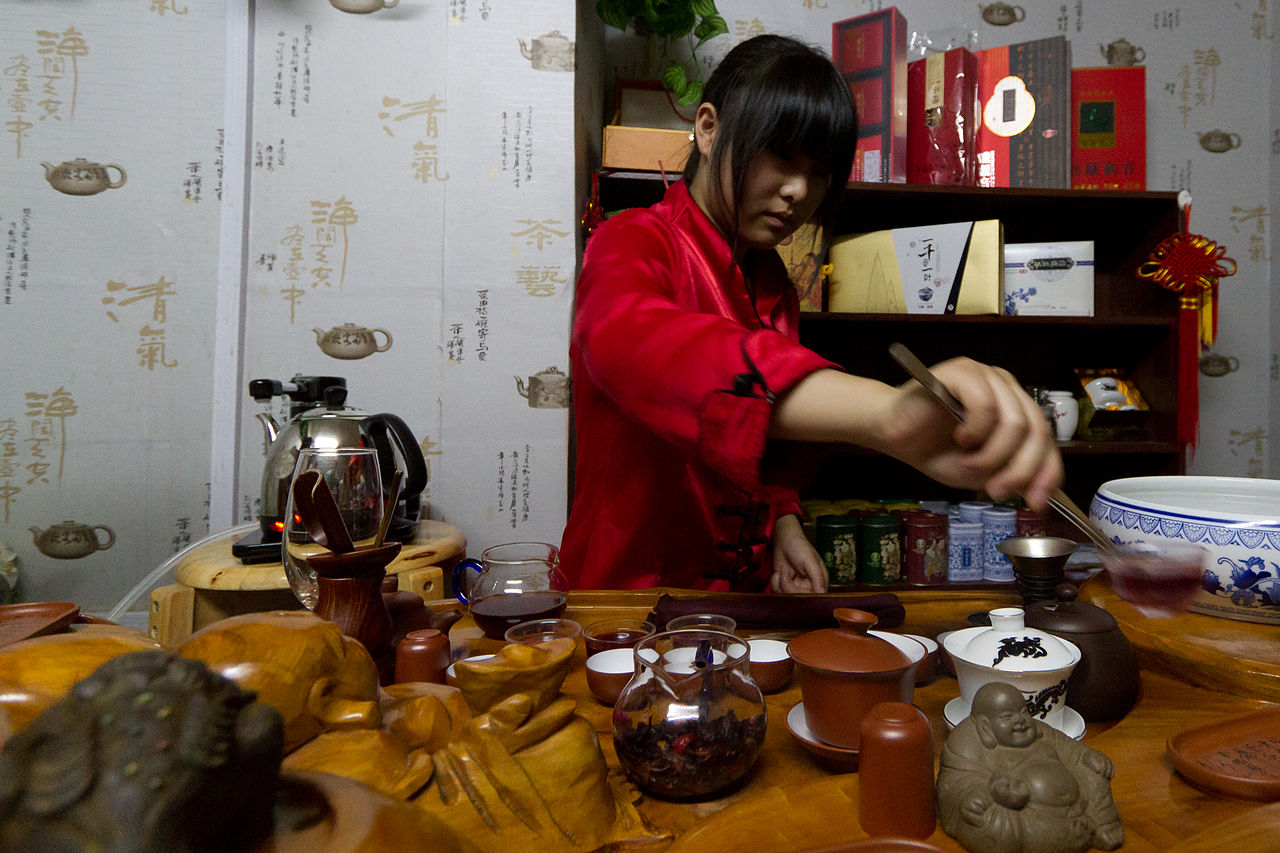
Two concepts inseparable from guanxi — renqing (人情, "human feeling") and mianzi (面子, "face") — function as the operational currency through which guanxi relationships are maintained, negotiated, and enforced. Renqing refers simultaneously to the natural emotional bonds between people, the social norms governing interpersonal behavior, and the specific favors or gifts exchanged within guanxi relationships. When a person does a favor for a guanxi partner — helping their child find a job, facilitating a business introduction, providing assistance during a crisis — they create a "renqing debt" (renqing zhai) that the recipient is socially obligated to repay, not necessarily in kind or immediately, but at some future point when the opportunity arises. This system of deferred reciprocity creates a dense web of mutual obligation that binds individuals together across time, ensuring that guanxi relationships are not transactional exchanges but ongoing commitments that deepen with each cycle of giving and receiving. The management of renqing debts requires considerable social skill, as the timing, nature, and scale of reciprocation must be carefully calibrated to avoid either the appearance of insufficient gratitude or the implication that the relationship is merely commercial (Yan, 1996, pp. 35–58).
Mianzi, or "face," is the social reputation and prestige that an individual accumulates through their conduct, achievements, and the quality of their guanxi relationships. Chinese social theory distinguishes between two dimensions of face: mianzi, which refers to the social standing and prestige achieved through success, wealth, and demonstrated competence; and lian (脸), which refers to the moral character and integrity that a person is assumed to possess simply by virtue of being a member of society. Losing mianzi — through public failure, social embarrassment, or the exposure of incompetence — is painful but recoverable; losing lian — through moral transgression, dishonesty, or the betrayal of trust — is catastrophic and may permanently exclude an individual from their social network. The imperative to maintain face, both one's own and that of one's guanxi partners, governs virtually every aspect of Chinese social interaction, from the elaborate protocols of gift-giving and banqueting to the indirect communication styles that allow difficult messages to be conveyed without causing public embarrassment. A skilled guanxi practitioner is, above all, a face manager — someone who knows how to give face to others (gei mianzi), protect face in awkward situations, and avoid causing loss of face even when delivering unwelcome news (Kipnis, 1997, pp. 55–78).
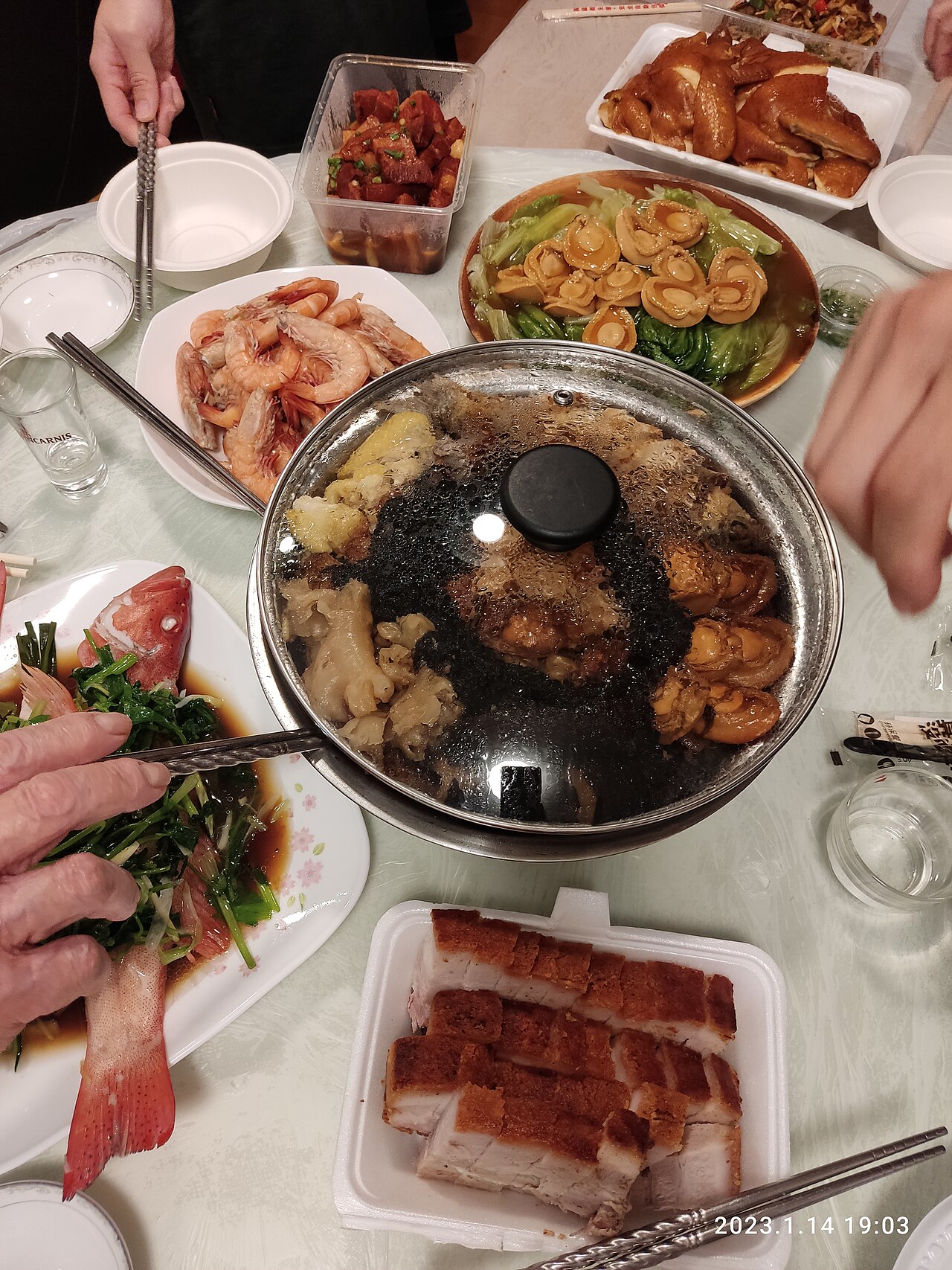
The interplay between guanxi, renqing, and mianzi creates a social system of remarkable subtlety and complexity, in which every interaction carries multiple layers of meaning and every gesture is simultaneously a personal expression and a social performance. A business banquet, for example, is never merely a meal: the choice of restaurant, the composition of the guest list, the seating arrangements, the dishes ordered, the toasts proposed, and the gifts exchanged each communicate precise messages about the host's wealth, generosity, respect for the guests, and aspirations for the relationship. The host who orders too lavishly risks appearing ostentatious; the host who economizes risks appearing disrespectful; and the guest who fails to reciprocate with an equally impressive invitation in due course risks being labeled as someone who "doesn't understand renqing" (bu dong renqing) — one of the most damaging social judgments in Chinese culture. This elaborate system of social performance, while frequently dismissed by Western observers as mere ceremony, in fact constitutes the mechanism through which trust is established, commitment is demonstrated, and reliable cooperative relationships are built in a cultural context where formal institutions and legal contracts have historically provided weaker guarantees than personal bonds (Gold, Guthrie, and Wank, 2002, pp. 45–68).
Guanxi in Business and Commerce
The role of guanxi in Chinese business culture has been the subject of intense scholarly debate, practical concern for foreign investors, and significant misunderstanding in the international business community. At the most basic level, guanxi functions in business as a mechanism for reducing transaction costs and managing risk in environments where formal institutional protections — enforceable contracts, reliable courts, transparent regulations — are absent, weak, or unpredictable. In the early decades of China's economic reforms (1978–2000), when the legal and regulatory infrastructure was rapidly evolving and often contradictory, guanxi relationships with government officials, business partners, and suppliers served as the primary mechanism through which entrepreneurs navigated bureaucratic obstacles, secured scarce resources, obtained permits and licenses, and resolved commercial disputes. The centrality of guanxi to business success during this period gave rise to the perception, both within China and internationally, that Chinese commerce was fundamentally relationship-driven rather than rule-driven — a perception that, while containing a substantial element of truth, has also been used to justify stereotypes about Chinese business culture that obscure more complex realities (Guthrie, 1998, pp. 254–278).
The practice of guanxi in business takes many concrete forms, from the elaborate gift-giving rituals that accompany the initiation and maintenance of commercial relationships to the strategic deployment of personal introductions (la guanxi) and the cultivation of relationships with government officials whose decisions affect business operations. Business banqueting, a practice that consumes an enormous share of corporate entertainment budgets in China, serves as the primary venue for guanxi cultivation, providing an informal setting in which personal bonds can be established through the shared rituals of eating, drinking, and conversation. The toast (ganbei, literally "dry cup") is a particularly important banqueting ritual, serving as a public declaration of respect and goodwill whose refusal constitutes a serious social affront. The exchange of gifts — cigarettes, liquor, tea, and, at higher levels, luxury goods and cash — follows precise conventions governing appropriateness, timing, and reciprocity, with the value and nature of gifts carefully calibrated to the importance of the relationship and the magnitude of the favor being sought or reciprocated (Yang, 1994, pp. 108–135).
The relationship between guanxi and corruption represents one of the most sensitive and consequential issues in contemporary Chinese society. The line between legitimate relationship-building and illegal bribery is often blurred in practice, and the Xi Jinping administration's aggressive anti-corruption campaign, launched in 2012, has forced a significant recalibration of guanxi practices in both the public and private sectors. Lavish banqueting, extravagant gift-giving, and the cultivation of personal relationships with government officials — activities that were previously regarded as normal and necessary components of business practice — have become fraught with legal risk, as officials and executives face prosecution for conduct that was routine only a few years earlier. Some scholars have argued that the anti-corruption campaign is effectively dismantling the guanxi system, forcing Chinese business culture toward a more institutionalized, rule-based model of commercial interaction. Others contend that guanxi is too deeply embedded in Chinese social structure to be eliminated by government fiat, and that the campaign has merely driven relationship-building practices underground or into new, less visible forms. The truth likely lies between these positions: guanxi is being transformed, not abolished, adapting to new regulatory realities while retaining its essential character as a system of personalized trust and reciprocal obligation (Gold, Guthrie, and Wank, 2002, pp. 85–112).
"Human feeling is greater than the king's law."
Traditional Chinese proverb on the primacy of social obligationDiscuss with Jason
Want to talk this article through?
Jason discusses the article with you, quizzes you on it and teaches you words from it.
Sign in free to ask. New accounts start with 300 AI credits.
Guanxi and the State
The relationship between guanxi networks and the Chinese state constitutes one of the enduring paradoxes of Chinese governance: the state simultaneously depends on guanxi relationships to implement policy at the local level and seeks to constrain them in the interest of bureaucratic rationality and legal uniformity. Throughout Chinese history, the tension between rule by law (fazhi) and rule by relationships (renqing) has been a central preoccupation of political philosophy, with Legalist thinkers arguing for impersonal institutional governance and Confucian thinkers insisting that good governance ultimately depends on the moral quality of personal relationships between rulers and the ruled. In practice, the Chinese imperial state relied heavily on guanxi-like mechanisms for policy implementation, as centrally appointed magistrates depended on local elites, clan leaders, and personal networks to translate imperial edicts into local action. This pattern of interdependence between formal state authority and informal personal networks has persisted through every subsequent political regime, including the People's Republic, where the Communist Party's organizational structure has been continuously penetrated and shaped by guanxi relationships among its members (Yang, 1994, pp. 142–168).
The Maoist period (1949–1976) attempted to replace guanxi with ideological loyalty and bureaucratic procedure as the organizing principles of social life, but the results were paradoxical. On one hand, the destruction of traditional social structures — lineages, guilds, religious organizations, and commercial networks — during the collectivization campaigns of the 1950s eliminated many of the institutional foundations on which pre-revolutionary guanxi had rested. On the other hand, the scarcity economy of the planned system, in which virtually all goods and services were allocated through state-controlled channels, created enormous new incentives for guanxi-based exchange, as individuals cultivated relationships with cadres, warehouse managers, and allocation officials who controlled access to scarce resources. The practice of "going through the back door" (zou houmen) — using personal connections to obtain goods, services, and opportunities unavailable through official channels — became so pervasive during the late Maoist period that it constituted, in effect, a parallel economic system operating beneath the surface of the planned economy. Far from eliminating guanxi, the socialist planned economy intensified it, demonstrating the remarkable resilience of relationship-based social organization under conditions explicitly designed to suppress it (Kipnis, 1997, pp. 92–118).
The reform era has witnessed a complex evolution in the relationship between guanxi and state power, as the expansion of market mechanisms, the development of legal institutions, and the growth of civil society have created new frameworks for social interaction that both complement and compete with traditional guanxi networks. The emergence of a professional business class, the growth of an independent legal profession, and the increasing reliance on formal contracts and institutional procedures have all reduced the relative importance of guanxi in certain domains — a process that sociologist Doug Guthrie (1998, pp. 285–312) has described as the "declining significance of guanxi" in Chinese business culture. Yet other scholars have argued that guanxi has not declined so much as evolved, adapting to new institutional environments while retaining its essential function as a mechanism for building trust and managing uncertainty in a rapidly changing society. The Xi Jinping era has introduced further complexity, as the anti-corruption campaign has disrupted established guanxi networks within the Party-state apparatus while simultaneously reinforcing the importance of personal loyalty networks centered on the paramount leader himself — suggesting that the relationship between guanxi and state power remains as dialectical and dynamic as ever (Gold, Guthrie, and Wank, 2002, pp. 125–148).
Guanxi in the Digital Era
The digital transformation of Chinese society has created new platforms, practices, and possibilities for guanxi cultivation that simultaneously extend traditional relationship-building into virtual space and challenge the foundational assumptions of a social system predicated on face-to-face interaction and embodied presence. WeChat, with its integrated ecosystem of messaging, social media, payments, and mini-programs, has become the essential infrastructure of contemporary guanxi maintenance, enabling the continuous low-level social interaction — sharing articles, commenting on friends' posts, exchanging seasonal greetings, and sending digital red envelopes — that keeps guanxi networks alive between the high-intensity episodes of banqueting, gift-giving, and face-to-face meetings that traditionally anchored the system. The WeChat "Moments" feed functions as a curated display of social capital, where users signal their status, taste, and network breadth through carefully selected photographs, articles, and life updates. The practice of maintaining multiple WeChat groups — for family, classmates, colleagues, business contacts, and interest groups — creates a layered digital representation of an individual's guanxi network that can be navigated, expanded, and pruned with an efficiency impossible in the pre-digital era (Kipnis, 1997, pp. 135–158).
The rise of social commerce and influencer marketing in China has created entirely new forms of guanxi-based economic activity, in which the monetization of personal relationships and social trust has been elevated to an art form of extraordinary sophistication. Livestream commerce hosts like the famous Li Jiaqi and Viya built billion-yuan businesses by cultivating guanxi-like relationships with their audiences — relationships characterized by perceived authenticity, reciprocal obligation (the host recommends only products they genuinely endorse; the audience trusts and purchases accordingly), and the emotional intimacy of parasocial interaction. The Chinese e-commerce concept of "private domain traffic" (siyu liuliang) — direct access to a captive audience through WeChat groups, mini-programs, and enterprise accounts — represents a digitized version of guanxi network cultivation, in which merchants build personalized relationships with customers that can be maintained and monetized over time without the intermediation of platform algorithms. These developments suggest that guanxi, far from being rendered obsolete by digital technology, has found new expression in the platforms and practices of Chinese digital culture, adapting its core principles of personalized trust and reciprocal obligation to the affordances of new communication technologies (Yang, 1994, pp. 185–212).
Yet the digitization of guanxi also raises profound questions about the future of a social system that has historically depended on the scarcity and exclusivity of personal connections. When guanxi can be cultivated at scale through social media, when personal introductions can be replaced by LinkedIn-style platform connections, and when the elaborate rituals of face-to-face relationship-building can be compressed into a WeChat message and a digital red envelope, does guanxi retain the depth of obligation and commitment that gave it its distinctive social power? Some observers argue that digital guanxi is inevitably shallow guanxi — that the convenience of digital communication encourages the proliferation of weak ties at the expense of the strong ties that constitute the core of a functional guanxi network. Others contend that digital tools merely supplement rather than replace face-to-face interaction, and that the most important guanxi relationships continue to be built and maintained through the traditional repertoire of banqueting, gift-giving, and personal service. What is certain is that guanxi, in some form, will remain central to Chinese social life for the foreseeable future — not because Chinese culture is uniquely relationship-dependent, but because the human need for personalized trust and reciprocal obligation is universal, and guanxi represents one of the world's most sophisticated cultural technologies for meeting that need (Guthrie, 1998, pp. 315–342).
"One more friend is one more road; one more enemy is one more wall."
Traditional Chinese proverb on guanxiGuanxi and Global China
The globalization of Chinese business and the expansion of China's geopolitical influence have carried guanxi practices into international contexts, creating both opportunities for cross-cultural synergy and significant challenges of mutual comprehension between Chinese and non-Chinese actors. Foreign companies entering the Chinese market have long been advised to invest in guanxi-building as a prerequisite for business success, and the practical advice literature on "doing business in China" consistently emphasizes the importance of personal relationships, patience in relationship development, and sensitivity to face and renqing dynamics. Yet the translation of guanxi into international business contexts is fraught with misunderstanding: Western executives often interpret guanxi as a euphemism for corruption, failing to appreciate the genuine emotional and moral dimensions of the concept; Chinese executives, conversely, may be baffled by the Western insistence on separating personal relationships from professional transactions, regarding it as cold, artificial, and ultimately unreliable as a basis for business cooperation (Gold, Guthrie, and Wank, 2002, pp. 155–178).
The overseas Chinese diaspora has served as the primary vector through which guanxi networks have expanded internationally, creating transnational webs of personal connection that link businesses, families, and communities across East and Southeast Asia, North America, Europe, and Australasia. The economic success of ethnic Chinese business communities in Singapore, Malaysia, Thailand, Indonesia, and the Philippines has been extensively attributed to the effectiveness of guanxi networks in facilitating cross-border trade, investment, and information exchange — a phenomenon that scholars have described as "bamboo networks" or "the Chinese commonwealth." These diaspora networks played a critical role in the early stages of China's economic reform, channeling foreign direct investment from Hong Kong, Taiwan, and Southeast Asian Chinese communities into mainland China through personal connections that provided the trust and local knowledge needed to navigate an unfamiliar and rapidly changing business environment. The Belt and Road Initiative (BRI), launched in 2013, can be understood in part as an attempt to institutionalize and extend these pre-existing guanxi-based commercial networks, creating infrastructure that formalizes connections previously maintained through personal relationships (Yang, 1994, pp. 225–248).
The comparative study of guanxi has generated a rich scholarly literature that situates the Chinese concept within broader theoretical frameworks of social capital, network analysis, and institutional economics. Scholars have drawn illuminating comparisons between guanxi and analogous concepts in other cultures — the "blat" system of personal favors in Soviet and post-Soviet Russia, the "wasta" networks of the Arab world, the "jeitinho" of Brazilian social navigation, and the "old boy networks" of British and American professional life — arguing that guanxi is not a uniquely Chinese phenomenon but a culturally specific expression of universal social dynamics that emerge wherever formal institutions are insufficient to manage the full complexity of human economic and social interaction. This comparative perspective, while useful in correcting the exoticization of Chinese social practices, must also account for the distinctive features that set guanxi apart: its deep roots in Confucian moral philosophy, its explicit theorization in Chinese intellectual tradition, its codification in practices of renqing and mianzi that have no precise equivalents elsewhere, and the sheer scale and sophistication of its operation in a society of 1.4 billion people. Guanxi is not simply Chinese "networking" — it is a comprehensive social technology with a two-and-a-half-thousand-year intellectual pedigree, and understanding it on its own terms remains essential for anyone seeking to comprehend how Chinese society actually works (Kipnis, 1997, pp. 165–192).
Quiz
What is the primary function of guanxi in Chinese society?
Which concept is closely related to guanxi and involves the social reputation one accumulates?
What are the intellectual roots of guanxi based on?
How does guanxi differ from Western concepts of networking?
What role does WeChat play in the context of guanxi?
What does 'renqing' refer to in the context of guanxi?
How did the Maoist period affect guanxi?
What is a challenge of translating guanxi into international business contexts?
Write your thoughts, then get feedback from Jason — you can turn any answer into a full discussion.
9. In what ways might digital technology transform the practice of guanxi? Consider both potential benefits and challenges.
10. How do you think the concept of guanxi might apply in non-Chinese cultures? Provide examples or analogies.
Frequently Asked Questions
Common questions about Guanxi: The Art of Chinese Social Networks
What does guanxi mean in Chinese business?
Guanxi (关系) refers to the network of personal relationships and mutual obligations that facilitate business and social transactions in Chinese culture. In a business context, strong guanxi with partners, officials, and clients can open doors that formal credentials alone cannot, making relationship cultivation a strategic priority.
How is guanxi different from Western networking?
Unlike Western networking, which tends to be transactional and professional, guanxi is deeply personal and built on long-term reciprocal obligations that blur the line between friendship and business. Guanxi relationships carry implicit moral duties — accepting a favor creates an ongoing debt that must eventually be repaid, often in unexpected ways.
Is guanxi still important in modern China?
Guanxi remains significant in modern China, though its role is evolving as the country's legal and market institutions mature. While some scholars argue that formal contracts and regulations are reducing reliance on personal connections, guanxi continues to be essential in navigating bureaucracy, securing business deals, and building trust in Chinese society.
How do you build guanxi in China?
Building guanxi typically involves shared meals, gift-giving, mutual introductions, and sustained personal attention over time. The process requires genuine emotional investment and cultural sensitivity — attending family events, remembering personal details, and demonstrating loyalty are far more effective than purely transactional gestures.
What is the role of banquets and gift-giving in guanxi?
Banquets and gift-giving are central rituals of guanxi cultivation, serving as occasions to build trust, display generosity, and reinforce reciprocal bonds. The choice of restaurant, seating arrangements, toasting etiquette, and gift selection all carry symbolic weight that communicates the depth and seriousness of the relationship.