
Podcast


Podcast: The Gaokao: China's Examination Culture
Listen to Jason & Amy discuss The Gaokao: China's Examination Culture
New here?
The Imperial Examination System
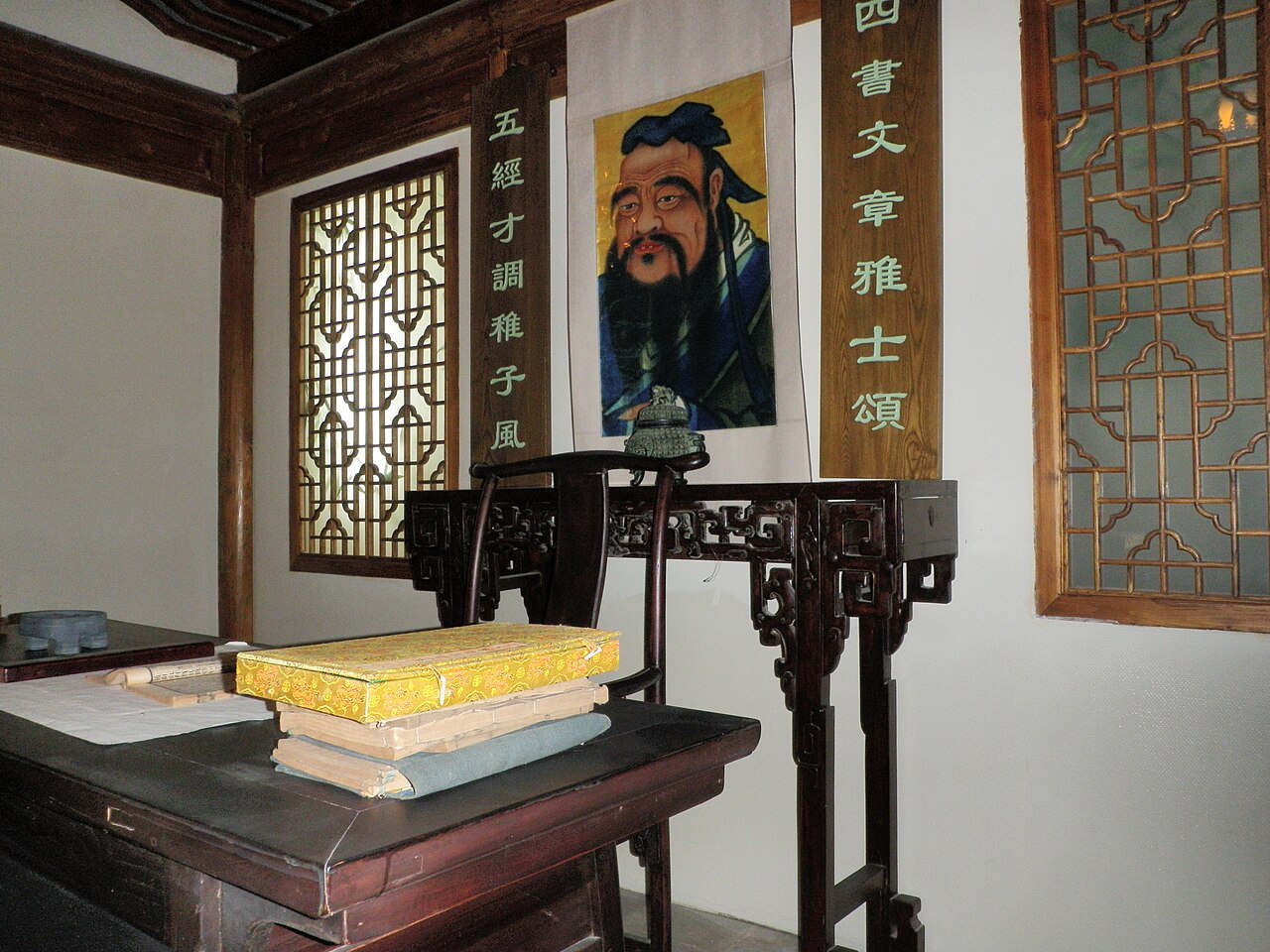
The keju, or imperial civil service examination system, stands as one of China's most consequential contributions to world civilization — a method of bureaucratic recruitment based on demonstrated knowledge rather than birth, wealth, or military prowess that anticipated European meritocratic ideals by over a millennium. Traditionally dated to the Sui dynasty (605 CE), when Emperor Yang established examinations as a formal pathway to government office, the keju system drew on much older practices of talent assessment that can be traced back to the Han dynasty's "recommendation" (chaoju) system and the Wei-Jin period's "nine-rank" (jiupin zhongzheng) system of official grading. However, it was under the Tang dynasty (618–907 CE) that the examination system acquired the institutional form that would persist, with modifications, until its abolition in 1905. Tang examinations tested candidates on their knowledge of the Confucian classics, their ability to compose poetry and prose in prescribed forms, and their capacity for policy analysis — a curriculum that ensured that China's governing elite shared a common intellectual formation rooted in the moral and political philosophy of the classical tradition (Elman, 2000, pp. 1–28).
The Song dynasty (960–1279) transformed the examination system from an important but supplementary method of official selection into the dominant pathway to political power, effectively creating the world's first examination-based meritocracy. Song reforms, particularly those implemented by Emperor Renzong and the reformer Wang Anshi, expanded the number of examination degrees awarded, standardized testing procedures, introduced the practice of anonymizing examination papers to prevent favoritism, and established the three-tiered structure of local (xiangshi), provincial (huishi), and palace (dianshi) examinations that would endure for the next eight centuries. The social impact of these reforms was revolutionary: by the mid-Song period, the majority of government officials had entered office through examination success rather than hereditary privilege, and the theoretical possibility of rising from peasant origins to the pinnacle of political power through examination achievement had become a central element of Chinese social ideology. Whether this ideal was realized in practice remains a subject of scholarly debate — Elman (2000, pp. 45–72) has demonstrated that examination success was heavily concentrated among families with the resources to support years of study, while Ho (1962, pp. 92–118) documented significant rates of upward mobility among examination graduates from non-elite backgrounds.
The examination system reached its fullest development under the Ming (1368–1644) and Qing (1644–1912) dynasties, when the "eight-legged essay" (baguwen) became the prescribed format for the highest-level examinations. This rigidly structured composition form required candidates to explicate passages from the Four Books (the Analects, the Mencius, the Great Learning, and the Doctrine of the Mean) following a precise eight-part organizational scheme that tested not only classical knowledge but also rhetorical skill, logical reasoning, and the ability to work within severe formal constraints. Critics, both contemporary and modern, have denounced the eight-legged essay as a sterile exercise in intellectual conformity that stifled creativity and original thought, but defenders argue that it functioned as a remarkably effective assessment tool that could reliably distinguish genuine intellectual ability from mere memorization. At its peak, the Qing examination system processed hundreds of thousands of candidates at the county level, tens of thousands at the provincial level, and several hundred at the metropolitan level, producing a governing elite that was, by the standards of any pre-modern society, extraordinarily well-educated and culturally homogeneous (Miyazaki, 1981, pp. 35–62).
"Ten years of cold-window study go unnoticed; one success in the examination and the whole world knows your name."
Traditional Chinese proverb on the imperial examinationsBirth of the Modern Gaokao
The abolition of the imperial examination system in 1905, one of the most momentous decisions in modern Chinese history, created a vacuum in the mechanisms of social selection and elite formation that would not be adequately filled for decades. The late Qing and Republican periods experimented with various models of higher education admission, drawing on Japanese, American, and European precedents, but the chaos of warlordism, civil war, and Japanese invasion prevented the establishment of any stable, nationwide system. Individual universities conducted their own entrance examinations, creating a fragmented landscape in which access to higher education depended heavily on geography, family connections, and the ability to travel to examination sites in major cities. The founding of the People's Republic in 1949 brought a new emphasis on educational equity and standardization, and in 1952 the new government established the first unified national college entrance examination — the direct predecessor of the modern gaokao — as part of a broader reorganization of higher education along Soviet lines (Pepper, 1996, pp. 42–68).
The gaokao was suspended during the Cultural Revolution (1966–1976), a decade in which university admissions were based on political criteria — class background, ideological commitment, and the recommendation of work units and peasant associations — rather than academic achievement. The consequences of this suspension were catastrophic for an entire generation: millions of young people were denied access to higher education, sent to the countryside for "re-education through labor," and deprived of the opportunity to develop their intellectual potential. The restoration of the gaokao in 1977, announced by the recently rehabilitated Deng Xiaoping, is remembered as one of the pivotal moments of the reform era — a signal that China was returning to meritocratic principles after a decade of ideological extremism. The 1977 examination, hastily organized in just two months, attracted 5.7 million candidates competing for 273,000 university places, an acceptance rate of less than five percent. Many of these candidates were in their late twenties or thirties, having lost a decade of educational opportunity to the Cultural Revolution, and the emotional intensity of the 1977 gaokao — the mixture of desperate hope, accumulated frustration, and fierce determination — has been extensively documented in memoirs, novels, and films that treat the examination as a founding myth of contemporary Chinese society (Elman, 2000, pp. 285–312).
The decades following the gaokao's restoration saw a steady expansion of China's higher education system that dramatically transformed the examination's statistical landscape. University enrollment grew from 1.08 million students in 1978 to 10.01 million in 2022, and the number of institutions of higher education increased from 598 to over 3,000 during the same period. The massive expansion that began in 1999, when Premier Zhu Rongji ordered a dramatic increase in university enrollment as an economic stimulus measure, was particularly consequential: within a decade, China had created the largest higher education system in the world by enrollment, effectively transforming a university degree from a rare distinction into a basic credential expected of all middle-class job applicants. This expansion reduced the gaokao's overall acceptance rate to over 80 percent by 2020, a figure that might suggest diminished competitive pressure — but this aggregate statistic conceals the continued ferocity of competition for admission to China's elite institutions, where acceptance rates remain in the low single digits and the difference of a few points on the gaokao can determine whether a student enters Peking University or a third-tier provincial college (Pepper, 1996, pp. 85–112).
Anatomy of the Examination
The modern gaokao is a standardized examination administered over two days (typically June 7–8, with some provinces extending to a third day), testing students on a core curriculum of Chinese language, mathematics, and a foreign language (overwhelmingly English), plus additional subjects chosen by the student or prescribed by the province. The examination is administered simultaneously across the entire country, with provincial education commissions responsible for logistics, security, and, in some provinces, the content of the examination papers themselves. The scale of the operation is staggering: in 2023, approximately 12.91 million students sat for the gaokao at over 330,000 examination sites, staffed by hundreds of thousands of proctors, monitored by closed-circuit cameras, and guarded by police against cheating — which is classified as a criminal offense carrying a maximum penalty of seven years' imprisonment under a 2015 amendment to China's Criminal Law. The security measures reflect the extraordinary stakes involved: a student's gaokao score is, in the overwhelming majority of cases, the single determinant of university admission, with no equivalent of the American system of holistic review that considers extracurricular activities, personal essays, or letters of recommendation (Davey, Lian, and Higgins, 2007, pp. 385–396).
The format and content of the gaokao have undergone significant reform in recent years, as the Chinese government has sought to address long-standing criticisms that the examination rewards rote memorization at the expense of critical thinking, creativity, and practical ability. The "New Gaokao" reforms, piloted in Shanghai and Zhejiang beginning in 2014 and gradually extended to additional provinces, introduced several important changes: students now choose three elective subjects from a menu of six (physics, chemistry, biology, history, geography, and political science), rather than being locked into the traditional "liberal arts" or "science" tracks; some subjects can be taken twice, with the higher score counted; and comprehensive quality evaluations (zonghe suzhi pingjia) are theoretically incorporated into the admissions process. These reforms represent the most significant structural changes to the gaokao since its restoration in 1977, but their implementation has been uneven and their impact on the fundamental character of the examination remains limited. The core reality — that a student's performance on a single set of high-stakes examinations, administered on specific days, under intense time pressure, determines the most consequential educational outcome of their life — remains unchanged (Ross and Wang, 2010, pp. 12–35).
The regional inequities embedded in the gaokao system constitute one of its most politically sensitive dimensions. University admission quotas are allocated by province, meaning that a student's chances of entering a particular institution depend not only on their score but on where their hukou (household registration) is located. Students registered in Beijing or Shanghai, where elite universities allocate disproportionately large admission quotas to local residents, face significantly less competition for places at top institutions than their counterparts in populous provinces such as Henan, Shandong, or Guangdong, where millions of students compete for a relative handful of elite university slots. This structural advantage for students in major cities has generated intense resentment in provincial communities and periodic protests by parents demanding a more equitable distribution of educational opportunity. The gaokao quota system thus reveals a fundamental tension in Chinese education policy between the principle of meritocratic selection (which would demand uniform national standards) and the reality of regional political bargaining (which produces quota allocations reflecting the influence of provincial governments and urban constituencies), a tension that mirrors broader debates about equality and federalism in Chinese governance (Davey, Lian, and Higgins, 2007, pp. 402–418).
"On the mountain of books, diligence is the path; on the sea of learning, hard work is the boat."
Han Yu (768–824), Tang dynasty scholar-officialDiscuss with Jason
Want to talk this article through?
Jason discusses the article with you, quizzes you on it and teaches you words from it.
Sign in free to ask. New accounts start with 300 AI credits.
Psychological and Social Impact
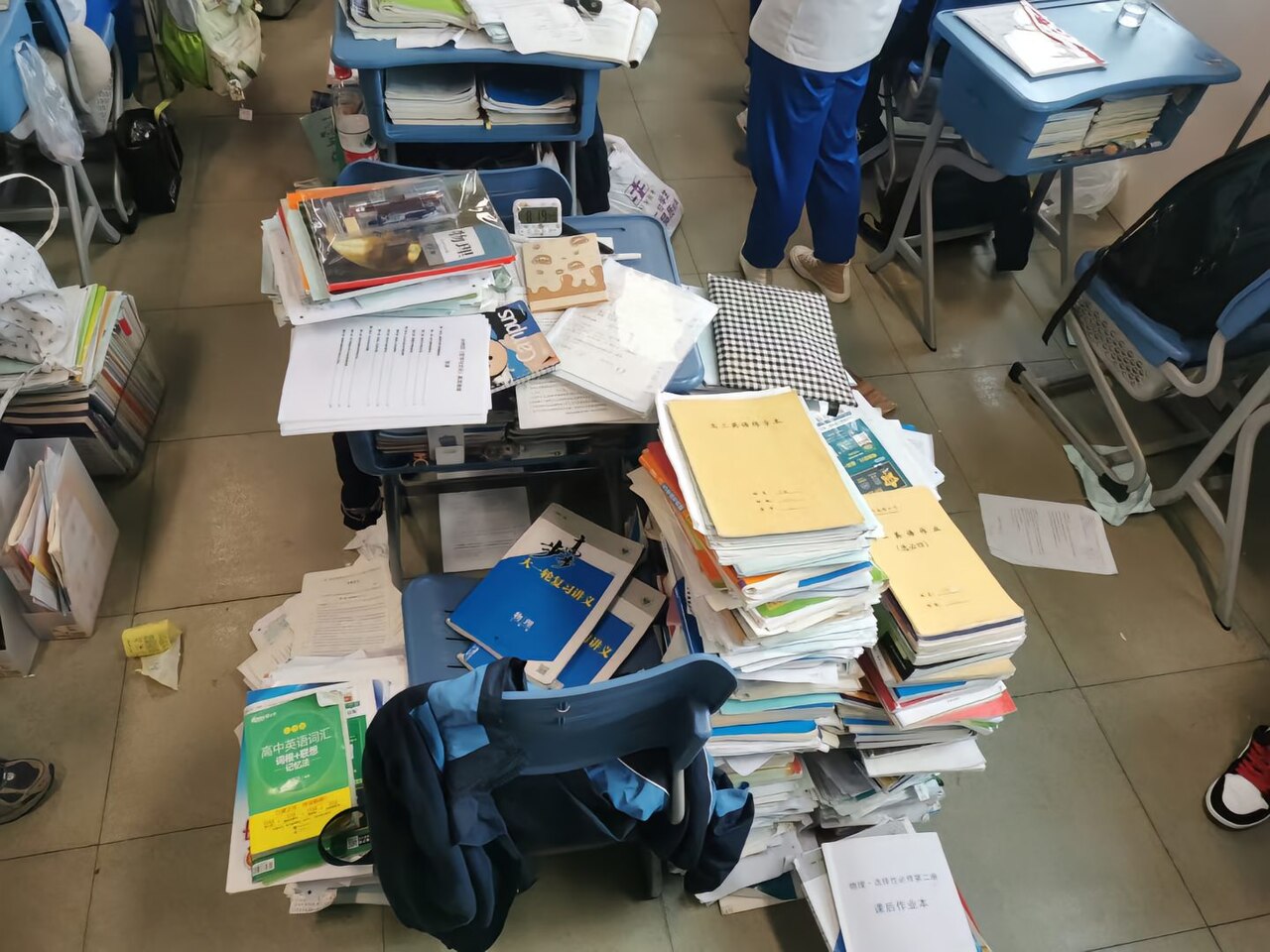
The psychological pressure generated by the gaokao extends far beyond the examination days themselves, shaping the entire educational experience of Chinese students from early childhood through the completion of senior secondary school. The final year of high school (gaosan), devoted almost entirely to gaokao preparation, is widely described as the most grueling period in a Chinese student's life — a year of fourteen-hour study days, weekend cram sessions, monthly mock examinations, and relentless competitive ranking that leaves little room for sleep, recreation, or emotional development. Many gaosan students attend evening self-study sessions (wanzixi) that extend until ten or eleven at night, rise before six in the morning, and spend their remaining waking hours solving practice problems from commercially published gaokao preparation books that constitute a multi-billion-yuan publishing industry. The competitive culture of gaosan is reinforced by the ubiquitous "countdown clocks" displayed in classrooms, showing the exact number of days remaining until the examination — a constant reminder of the approaching judgment that intensifies the atmosphere of anxiety and urgency pervading every aspect of student life (Ross and Wang, 2010, pp. 45–68).
The mental health consequences of this pressure have become a subject of increasing public concern in China, as research documents alarming rates of anxiety, depression, and suicidal ideation among high school students preparing for the gaokao. A 2019 study published in the Chinese Journal of School Health found that over 35 percent of senior secondary students exhibited symptoms of moderate to severe anxiety, while approximately 20 percent showed symptoms consistent with clinical depression — rates significantly higher than those observed in comparable populations in other countries. Reports of student suicides in the weeks before and after the gaokao appear annually in Chinese media, each case igniting anguished public debate about the human costs of the examination system and the adequacy of psychological support services in Chinese schools. The government has responded with directives requiring schools to provide psychological counseling, reduce homework loads, and limit the number of mock examinations — but these measures have had limited effect in a system where the fundamental incentive structure remains unchanged: the gaokao score is still, for all practical purposes, the only thing that matters (Pepper, 1996, pp. 128–155).
The gaokao's impact radiates outward from the student to engulf the entire family, particularly mothers, who in Chinese cultural practice bear primary responsibility for managing their children's education. The phenomenon of the "accompaniment mother" (peidu mama), who rents an apartment near the child's school, quits her job, and devotes herself full-time to providing logistical, nutritional, and emotional support during the gaokao preparation year, has become sufficiently common to constitute a recognized social category. Fathers, too, bear enormous pressure as the primary breadwinners funding expensive tutoring programs, test preparation materials, and the informal payments that sometimes facilitate access to superior schools. The financial burden of gaokao preparation falls disproportionately on middle-class and working-class families, who may spend a significant fraction of their annual income on private tutoring — a practice so widespread that the Chinese government launched a sweeping crackdown on the for-profit tutoring industry in 2021, effectively banning commercial after-school academic tutoring for primary and secondary students in a regulatory action that wiped billions of dollars from the market value of education companies (Davey, Lian, and Higgins, 2007, pp. 425–442).
Meritocracy and Its Discontents
The gaokao occupies a deeply ambivalent position in contemporary Chinese society, simultaneously celebrated as the fairest and most transparent institution in a country where corruption and guanxi (personal connections) pervade many domains of public life, and condemned as a dehumanizing machine that reduces the richness of human potential to a single numerical score. Surveys consistently show that a majority of Chinese citizens support the gaokao system in principle, viewing it as the most reliable guarantor of equal opportunity in a society marked by vast disparities of wealth, region, and social connection. For students from poor rural families, the gaokao remains the most credible pathway to upward mobility — the modern equivalent of the imperial examination system's promise that a farmer's son could, through talent and diligence alone, rise to govern the empire. This meritocratic faith is powerfully reinforced by the annual media celebration of gaokao "champions" (zhuangyuan), top scorers from each province who become instant celebrities, their study habits dissected and their family backgrounds scrutinized for lessons that other families might emulate (Elman, 2000, pp. 320–345).
Yet the meritocratic promise of the gaokao coexists with mounting evidence that the system reproduces, rather than disrupts, existing patterns of social inequality. Research by sociologists at Peking University and Tsinghua University has documented a steady decline in the proportion of students from rural and working-class backgrounds at elite institutions since the 1990s, a trend attributed to the growing importance of supplementary educational resources — private tutoring, test preparation programs, access to quality schools — that wealthy urban families can provide and their rural counterparts cannot. The concept of "educational involution" (neijuan), which became a viral buzzword in Chinese social media around 2020, captures the widespread perception that the gaokao system has devolved into an arms race of diminishing returns, in which families invest ever-increasing amounts of time, money, and emotional energy to achieve marginal advantages in a zero-sum competition. The critique of neijuan — and the related concept of "lying flat" (tangping), a movement of passive resistance among young people exhausted by competitive pressure — represents a significant cultural challenge to the examination-centered model of social mobility that has defined Chinese society for over a millennium (Ross and Wang, 2010, pp. 72–98).
The future of the gaokao remains one of the most hotly debated topics in Chinese education policy, with reformers arguing that the system must be fundamentally restructured to meet the needs of a knowledge economy that values creativity, collaboration, and adaptability over the mastery of standardized content. Proposals range from incremental reforms — expanding the role of comprehensive quality evaluations, allowing multiple testing opportunities, incorporating portfolio assessments — to radical alternatives such as abolishing the gaokao entirely in favor of a continuous assessment model or an American-style holistic admissions process. Yet each proposed reform encounters formidable resistance from constituencies that benefit from the current system or fear that alternatives would be more susceptible to corruption and favoritism. The gaokao's legitimacy, paradoxically, rests precisely on its perceived harshness and inflexibility: because the examination is the same for everyone, administered under the same conditions, and graded by the same standards, it is trusted as fair in a way that more subjective evaluation methods might not be. This paradox — that the system's fairness depends on its very dehumanization — captures the central dilemma of Chinese examination culture, a dilemma inherited from the imperial keju system and unlikely to be resolved anytime soon (Miyazaki, 1981, pp. 85–112).
"Knowledge changes destiny."
Popular modern Chinese saying, widely used in gaokao motivationGaokao Rituals and Cultural Meaning
The days surrounding the gaokao have acquired a dense overlay of ritual practices, superstitions, and social conventions that transform the examination from a mere administrative event into a cultural performance of national significance. Parents gather outside examination sites in crowds that can number in the thousands, holding banners of encouragement, wearing red clothing for good luck, and sometimes hiring bands or setting off firecrackers as their children emerge after each session. Hotels near examination sites charge premium rates to families seeking to minimize their child's commuting stress, restaurants offer "gaokao specials" featuring brain-boosting ingredients, and temples report surges in visits by parents burning incense and praying for their children's success. The Confucius Temple in Nanjing and the Temple of Literature in Beijing become pilgrimage sites in the weeks before the examination, their courtyards festooned with red ribbons bearing the names and aspirations of gaokao candidates — a practice that explicitly connects the modern examination to its imperial predecessor and invokes the blessing of the sage who made education the centerpiece of Chinese civilization (Elman, 2000, pp. 348–372).
The cultural mythology of the gaokao extends to the examination questions themselves, particularly the Chinese language essay prompt, which is announced nationally on the first day of the examination and immediately becomes the subject of intense public discussion on social media. The essay topics, which have ranged from philosophical abstractions ("What is the relationship between strength and limitation?") to contemporary social issues ("Should technology be feared or embraced?"), are analyzed by journalists, educators, and amateur commentators who debate their difficulty, fairness, and the quality of reasoning they are likely to elicit. Major newspapers and websites publish model answers written by professional writers, and the essay prompt reliably generates more social media engagement than any other educational event in the Chinese calendar. This extraordinary public attention to a single examination question reflects the gaokao's unique position in Chinese culture as a shared national experience that transcends regional, class, and generational boundaries — virtually every Chinese adult has either taken the gaokao, supported a child through it, or grown up in a society shaped by its imperatives (Pepper, 1996, pp. 165–188).
The gaokao also functions as a powerful engine of collective memory and generational identity, with each year's examination serving as a temporal marker around which alumni organize their shared experiences. The question "What year did you take the gaokao?" serves as an immediate social classifier, establishing a person's approximate age, the historical conditions under which they were educated, and the relative difficulty of the competition they faced. The class of 1977 — those who sat for the first gaokao after the Cultural Revolution — occupies a particularly honored place in this generational mythology, regarded as a cohort of exceptional resilience and determination whose examination success against overwhelming odds symbolizes the broader Chinese narrative of recovery and renewal after the Maoist era. More recently, the experience of the "double reduction" (shuangjian) generation — students who came of age after the 2021 crackdown on private tutoring — is generating its own distinctive narrative of adaptation and uncertainty. Through all these variations, the gaokao remains what it has been since its restoration: the single most consequential shared experience in the life course of Chinese citizens, a ritual of meritocratic selection that defines, for better and worse, the values and anxieties of contemporary Chinese society (Ross and Wang, 2010, pp. 105–128).
Quiz
What is the gaokao a modern descendant of?
When was the gaokao first established as a unified national examination?
What significant change occurred to the gaokao during the Cultural Revolution?
What is a major criticism of the gaokao system?
Which dynasty transformed the examination system into the dominant pathway to political power?
What percentage of students exhibited symptoms of moderate to severe anxiety according to a 2019 study?
What does the term 'educational involution' refer to in the context of the gaokao?
What is the role of 'accompaniment mothers' in the gaokao preparation process?
Write your thoughts, then get feedback from Jason — you can turn any answer into a full discussion.
9. How might the gaokao system influence family dynamics in China?
10. What are the potential benefits and drawbacks of the gaokao's high-stakes nature?
Frequently Asked Questions
Common questions about The Gaokao: China's Examination Culture
What is the gaokao exam in China?
The gaokao (高考) is China's national college entrance examination, taken annually by roughly 10 million students over two or three days each June. Performance on this single high-stakes test largely determines which university a student can attend and, by extension, their career prospects and social mobility.
How hard is the gaokao compared to other exams?
The gaokao is widely considered one of the most grueling academic examinations in the world, covering Chinese, mathematics, English, and elective subjects over nine or more hours of testing. Students typically prepare for years with intensive study schedules of 12 to 16 hours per day in their final year of high school.
What is the history of Chinese examination culture?
China's examination culture dates back to the imperial civil service exams (科举) established in 605 CE during the Sui Dynasty. For over 1,300 years, these exams offered a meritocratic path to government office, creating a deeply rooted cultural belief that standardized testing is the fairest way to allocate opportunity.
Can you retake the gaokao if you fail?
Yes, students can retake the gaokao in subsequent years, and many do in order to improve their scores and gain admission to better universities. These repeat students, known as "fudu sheng" (复读生), sometimes spend an additional year at specialized cram schools dedicated entirely to gaokao preparation.
Why do Chinese students face so much academic pressure?
The intense academic pressure stems from a combination of Confucian reverence for education, fierce competition for limited spots at elite universities, and the gaokao's outsized role in determining life outcomes. Family expectations, social prestige, and economic realities all converge to make exam success feel like an existential imperative for Chinese students and their families.