
Podcast


Podcast: The Huangdi Neijing: Foundation of Chinese Medical Theory
Listen to Jason & Amy discuss The Huangdi Neijing: Foundation of Chinese Medical Theory
New here?
Origins and Textual History
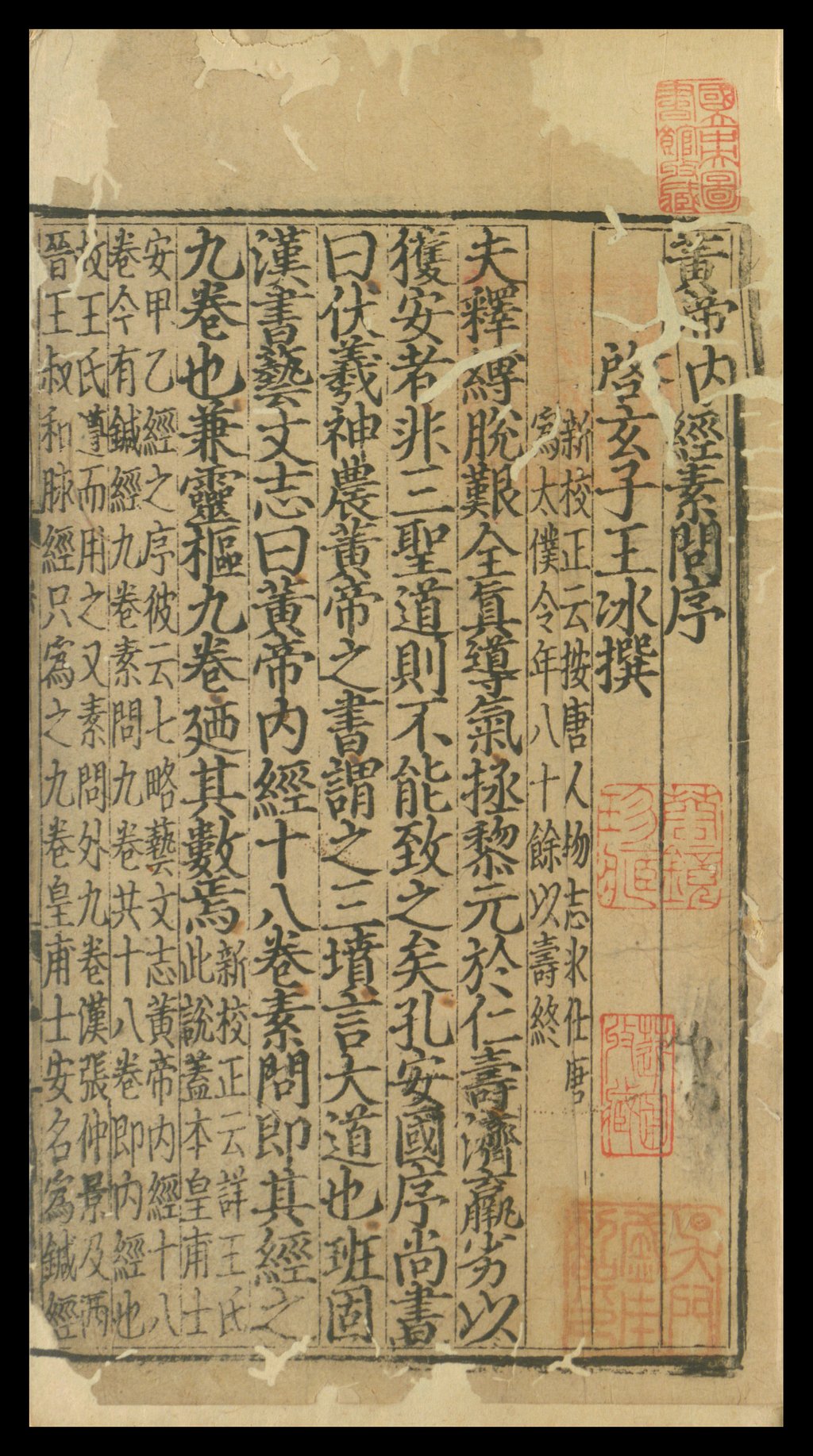
The Huangdi Neijing (黄帝内经) is traditionally attributed to the Yellow Emperor, Huangdi, one of the legendary sage-rulers of Chinese antiquity, but modern scholarship has established that the text is a composite work compiled over several centuries during the late Warring States and early Han dynasty periods, roughly between the third century BCE and the first century CE. The text consists of two major divisions: the Suwen (Basic Questions) and the Lingshu (Spiritual Pivot), each containing eighty-one chapters organized around themes of medical theory, diagnostic method, therapeutic technique, and health cultivation. Unschuld (2003) devoted decades to the philological analysis of the Huangdi Neijing, demonstrating through meticulous textual comparison that different chapters reflect distinct intellectual traditions and historical periods, layered together by generations of editors into the composite work we possess today. The dialogue format — in which the Yellow Emperor poses questions and his minister Qi Bo provides extended theoretical explanations — was a common literary device in Han dynasty philosophical writing, lending the text an air of ancient authority while allowing the compilers to present complex medical ideas in an accessible, discursive form.
The textual transmission of the Huangdi Neijing is itself a complex history of editing, commentary, and reconstruction. The earliest bibliographic reference to the text appears in the Hanshu Yiwenzhi (Bibliographic Treatise of the History of the Han Dynasty), compiled around 90 CE, which lists the Huangdi Neijing among the medical classics but provides few details about its content or provenance. The text was extensively revised and annotated during the Tang dynasty by the physician Wang Bing, whose 762 CE edition reorganized the chapters, added seven previously lost chapters (whose authenticity remains debated), and provided detailed commentaries that shaped all subsequent readings of the text. As Sivin (1987) cautioned, any study of the Huangdi Neijing must reckon with the fact that the text we read today has been filtered through multiple layers of editorial intervention, making it impossible to recover a single "original" version with certainty.
Despite these textual complexities, the Huangdi Neijing has maintained its status as the foundational text of Chinese medicine for over two millennia. Every subsequent development in Chinese medical theory — from Zhang Zhongjing's formula-based approach to the elaborate diagnostic refinements of the Song and Ming dynasties — has been understood as an extension, commentary, or application of principles first articulated in the Neijing. The text has been translated into virtually every major world language, and it remains required reading in Chinese medical schools today. Its influence extends beyond medicine proper into Chinese philosophy, cosmology, and self-cultivation practice, making it one of the most consequential intellectual documents in Chinese civilization. As Lo (2001) observed, the Huangdi Neijing is not merely a medical textbook but a comprehensive vision of the relationship between the human body, the natural world, and the cosmic order — a vision that continues to shape how millions of people understand health, illness, and the art of living well.
"The superior physician treats what is not yet ill, not what is already ill."
Huangdi Neijing Suwen, Chapter 2Yin-Yang Theory in Medicine
The most fundamental theoretical framework of the Huangdi Neijing is the doctrine of yin and yang (阴阳), the complementary and interdependent forces whose dynamic interplay was understood to govern all phenomena in the natural world, including the processes of the human body. Yin and yang were not conceived as static opposites but as relational categories that defined each other through contrast: darkness was yin in relation to light (yang), cold was yin in relation to heat, the interior of the body was yin in relation to the exterior, and quiescence was yin in relation to activity. Health, in the Neijing's framework, was understood as the harmonious balance of yin and yang within the body, while disease arose from the disruption of this balance — an excess of yang might manifest as fever, inflammation, and hyperactivity, while an excess of yin might produce cold, stagnation, and lethargy. As Unschuld (2003) emphasized, the genius of the yin-yang framework lay in its capacity to organize an enormous range of clinical observations within a single, internally consistent theoretical structure that was both intuitively appealing and practically useful.
The Suwen chapters devoted to yin-yang theory developed these concepts with remarkable sophistication, applying them systematically to anatomy, physiology, pathology, and therapeutics. The organs of the body were classified as either yin (zang, the solid "storage" organs: heart, liver, spleen, lungs, kidneys) or yang (fu, the hollow "processing" organs: stomach, small intestine, large intestine, gallbladder, bladder, triple burner). Each yin organ was paired with a yang organ, and the two were connected by meridian pathways that ensured the continuous circulation of qi between them. Disease could arise from internal causes — emotional excess, dietary imbalance, or constitutional weakness — or from external causes, particularly the "six pathogenic factors" (liu yin): wind, cold, summer-heat, dampness, dryness, and fire, each understood as a manifestation of yin or yang climatic energy that could invade the body when its defenses were weakened. The therapeutic imperative, in every case, was to restore the dynamic equilibrium of yin and yang through appropriate intervention, whether dietary, herbal, acupunctural, or behavioral (Sivin, 1987, pp. 65–92).
The yin-yang framework of the Huangdi Neijing proved remarkably resilient and adaptable, absorbing new clinical observations and therapeutic techniques over centuries without fundamental alteration. Later physicians elaborated the basic binary into increasingly refined subdivisions — yin within yang, yang within yin, greater yin, lesser yin, and so on — creating a nuanced diagnostic vocabulary that could accommodate the full complexity of clinical presentation. The framework's flexibility was both its greatest strength and, from a modern scientific perspective, its most significant limitation: because yin-yang categories are relational rather than absolute, they resist the kind of precise operational definition that modern biomedical research requires. Nevertheless, the yin-yang framework continues to provide the conceptual scaffolding for contemporary Chinese medical practice, and recent research in systems biology and network pharmacology has suggested that the emphasis on dynamic balance and systemic interaction may offer insights that complement the reductionist approach of conventional biomedicine (Needham & Lu, 2000, pp. 38–55).
The Five Phases (Wuxing)
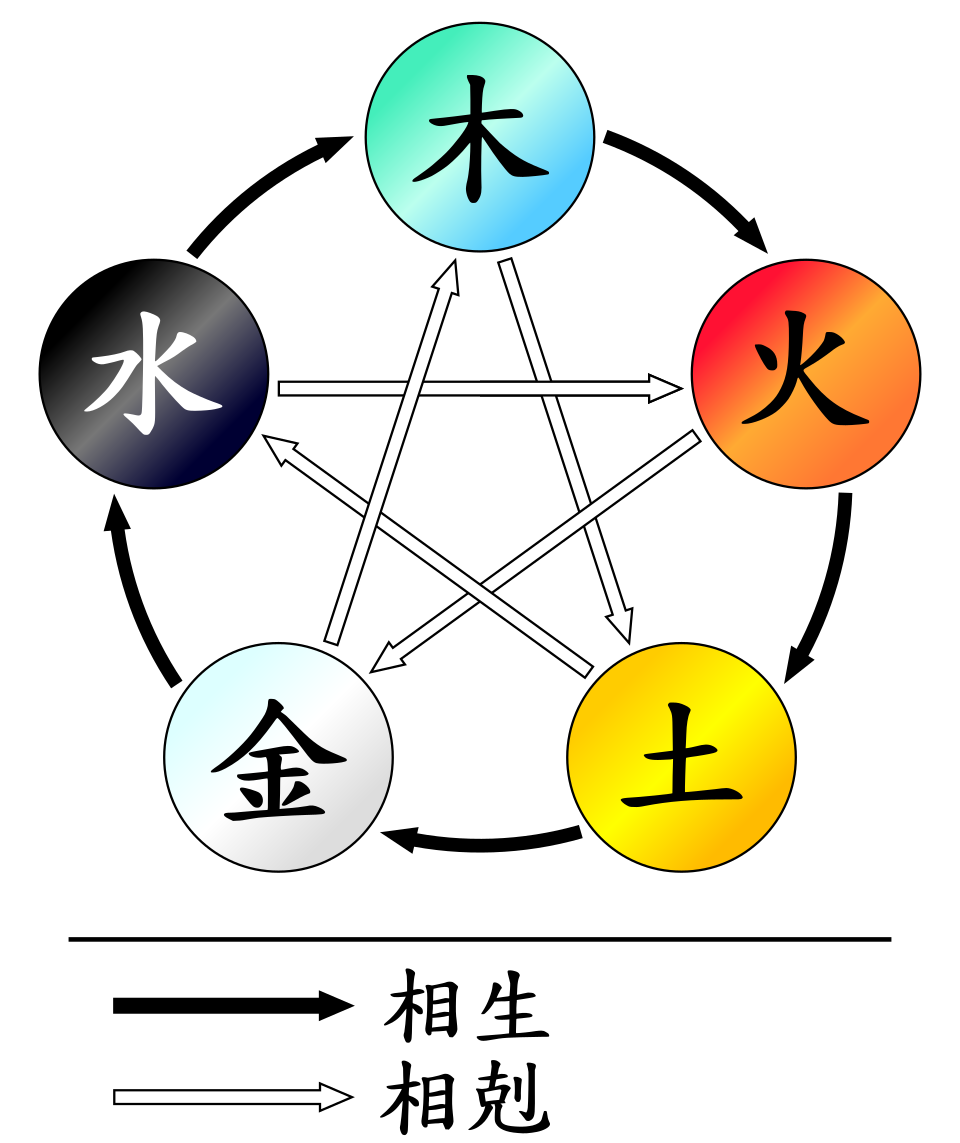
Alongside yin-yang theory, the Huangdi Neijing incorporated the doctrine of the five phases (wuxing, 五行) — wood, fire, earth, metal, and water — as a complementary framework for understanding the body's physiological processes and their relationship to the natural environment. Each phase was correlated with a specific organ system, season, climate, emotion, taste, color, and direction, creating an elaborate web of correspondences that allowed physicians to interpret symptoms in relation to broader patterns of cosmic and environmental influence. The liver was associated with wood, spring, wind, anger, and the sour taste; the heart with fire, summer, heat, joy, and the bitter taste; the spleen with earth, late summer, dampness, worry, and the sweet taste; the lungs with metal, autumn, dryness, grief, and the pungent taste; and the kidneys with water, winter, cold, fear, and the salty taste. As Unschuld (2003) demonstrated, this correspondence system was not a static taxonomy but a dynamic model that described the cyclical generation and control relationships among the five phases, providing a theoretical basis for understanding how pathology in one organ system could affect others.
The two fundamental relationships among the five phases — the generation cycle (sheng) and the control cycle (ke) — provided physicians with a powerful predictive and therapeutic framework. In the generation cycle, each phase gives rise to the next: wood generates fire, fire generates earth, earth generates metal, metal generates water, and water generates wood. In the control cycle, each phase restrains another: wood controls earth, earth controls water, water controls fire, fire controls metal, and metal controls wood. When these cycles operated smoothly, the body maintained health; when they were disrupted — through constitutional weakness, external pathogenic invasion, or emotional excess — disease patterns emerged that could be traced through the five-phase relationships. A patient with chronic liver (wood) dysfunction, for example, might develop secondary digestive (earth) problems, because wood controls earth in the five-phase cycle, and an overacting liver could suppress spleen and stomach function. This relational approach to pathology, emphasizing the systemic interconnection of organ systems rather than treating each in isolation, remains one of the distinctive contributions of Chinese medical theory (Sivin, 1987, pp. 95–118).
Modern assessments of the five-phase system vary widely. Critics, both within and outside the Chinese medical tradition, have argued that the correspondence system is overly rigid and that the forced symmetry of five-fold classification sometimes distorts clinical reality — the human body does not, in fact, organize itself neatly into five parallel organ systems with matching emotions, seasons, and flavors. Defenders counter that the five-phase model, like any theoretical framework, is a heuristic tool rather than a literal description of biological reality, and that its clinical utility lies not in the precision of individual correspondences but in its capacity to reveal systemic patterns and relationships that might otherwise be overlooked. The five-phase framework has also attracted interest from researchers in ecological medicine and psychoneuroimmunology, fields that share its emphasis on the interconnection of physiological, emotional, and environmental factors in the production of health and disease. Whether one views the wuxing system as an obstacle to modernization or a resource for integrative thinking, its profound influence on two millennia of Chinese medical practice is beyond dispute (Harper, 1998, pp. 110–135).
"Yin and yang are the way of heaven and earth, the fundamental principles of all things."
Huangdi Neijing Suwen, Chapter 5Qi and the Vital Substances
Central to the Huangdi Neijing's medical theory is the concept of qi (气), a term that has been variously translated as "vital energy," "pneuma," "breath," and "influence," but that resists any single English equivalent. In the Neijing's framework, qi is the fundamental substance that animates all living beings, circulating through the body via the meridian network, driving the functions of the organs, and mediating the body's interaction with the external environment. The text distinguishes several types of qi, each with a specific origin and function: yuan qi (original qi), inherited from one's parents and stored in the kidneys, represents the constitutional vitality that determines one's basic health endowment; ying qi (nutritive qi), derived from food and drink, circulates within the blood vessels to nourish the organs and tissues; and wei qi (defensive qi), a more vigorous and mobile form of qi that circulates outside the vessels and protects the body's surface against external pathogenic invasion. As Unschuld (2003) argued, the concept of qi should not be understood as a mystical or supernatural force but as a naturalistic explanatory framework that served the same function in Chinese medical thought that concepts like "nerve force" and "vital spirits" served in European medicine before the development of modern biochemistry.
Alongside qi, the Huangdi Neijing identified several other vital substances whose proper balance was essential to health. Blood (xue) was understood as a denser, more material form of nourishment that circulated through the vessels in close partnership with qi: the classic formulation held that "qi is the commander of blood; blood is the mother of qi," expressing the mutual dependence between the body's energetic and material aspects. Body fluids (jinye) — including the thinner, clearer fluids (jin) that moistened the skin and muscles and the thicker, denser fluids (ye) that lubricated the joints and nourished the marrow — were produced through the digestive transformation of food and drink and distributed throughout the body by the organ systems. Essence (jing), the most precious of the vital substances, was partly inherited (congenital essence) and partly acquired through diet and lifestyle (acquired essence), and was stored in the kidneys as the material basis of growth, development, and reproduction. The depletion of jing through excessive sexual activity, chronic illness, or aging was understood as the fundamental mechanism of senescence, and many yangsheng practices were specifically designed to conserve and replenish this irreplaceable substance (Sivin, 1987, pp. 130–148).
The Huangdi Neijing's theory of vital substances provided a conceptual framework that was remarkably effective at integrating clinical observations about health and disease into a coherent explanatory system. A patient presenting with fatigue, pallor, and poor digestion could be understood as suffering from qi and blood deficiency, a condition treatable through tonifying herbs and dietary supplementation. A patient with joint pain, heavy limbs, and poor appetite could be diagnosed with dampness obstruction, a pathology of disordered fluid metabolism. The language of vital substances gave physicians a vocabulary for describing pathological states that, while different from modern biomedical terminology, was internally consistent, clinically applicable, and responsive to therapeutic intervention. Contemporary research has begun to explore the biological correlates of these traditional concepts: qi deficiency syndromes, for example, have been associated with measurable alterations in immune function, mitochondrial activity, and hypothalamic-pituitary-adrenal axis regulation, suggesting that the classical categories, while not directly translatable into biomedical terms, may capture real patterns of physiological dysfunction (Lo, 2001, pp. 72–95).
The Dialogue Between Huangdi and Qi Bo
The literary structure of the Huangdi Neijing — an extended dialogue between the Yellow Emperor and his chief physician Qi Bo — is far more than a stylistic convenience; it embodies a particular vision of how medical knowledge should be transmitted and understood. The Yellow Emperor poses searching questions about the nature of health, disease, and the human body's relationship to the cosmos, while Qi Bo responds with detailed theoretical explanations grounded in systematic observation and philosophical reasoning. This dialogic format serves several purposes: it dramatizes the process of medical inquiry as a collaborative intellectual endeavor; it establishes the authority of medical knowledge by associating it with the wisdom of a legendary sage-ruler; and it allows complex ideas to be developed incrementally, with each question building on the answers that preceded it. As Unschuld (2003) observed, the dialogue format reflects the Han dynasty ideal of the ruler-physician relationship, in which the sovereign's concern for the health of his people was understood as an extension of his moral obligation to maintain cosmic harmony.
The questions attributed to the Yellow Emperor reveal a remarkably sophisticated understanding of the challenges facing medical theory. In the opening chapter of the Suwen, Huangdi asks why people in ancient times lived to be over a hundred years old while his contemporaries age prematurely — a question that frames the entire text as an investigation into the causes of declining health and the means of its restoration. Qi Bo's response invokes the principles of moderation, seasonal adaptation, and emotional equilibrium that form the core of the yangsheng tradition, arguing that premature aging results from the violation of natural rhythms through excessive consumption, emotional turbulence, and sexual intemperance. Other chapters address questions of startling clinical specificity: why certain diseases worsen at particular times of day, how emotional states affect organ function, why the same pathogen produces different diseases in different individuals, and how the physician can distinguish between superficially similar conditions that require opposite treatments. The cumulative effect of these dialogues is to present medicine as a form of natural philosophy — a disciplined inquiry into the patterns and principles that govern the living body, conducted with the same intellectual rigor that characterized the best Han dynasty thinking about cosmology, ethics, and statecraft (Needham & Lu, 2000, pp. 60–85).
The influence of the Huangdi-Qi Bo dialogue on Chinese medical education and clinical reasoning has been profound and enduring. For two millennia, Chinese physicians have learned their art primarily through the close study of classical texts, supplemented by apprenticeship with experienced practitioners, and the Neijing has served as the starting point for this textual education. The dialogue format encouraged readers to engage actively with the material, testing the theoretical propositions against their own clinical observations and formulating their own questions in response to Qi Bo's answers. This hermeneutic approach to medical knowledge — in which understanding is achieved through repeated reading, commentary, and clinical application rather than through passive memorization — fostered a tradition of medical scholarship that was simultaneously conservative and innovative, rooted in the authority of the classics yet open to new insights generated by the ongoing encounter between theory and practice. The Huangdi Neijing remains, in the twenty-first century, not merely a historical document but a living text that continues to generate new interpretive possibilities for physicians and scholars who engage with its rich and often enigmatic pages (Sivin, 1987, pp. 35–62).
"When righteous qi resides within, pathogenic factors cannot intrude."
Huangdi Neijing Suwen, Chapter 72Enduring Influence on Global Medicine
The Huangdi Neijing's influence extends far beyond the borders of China, shaping medical traditions across East Asia and, increasingly, informing global conversations about integrative and holistic approaches to health care. In Japan, the Neijing was introduced during the sixth century CE as part of the broader transmission of Chinese culture through the Korean peninsula, and it served as the theoretical foundation of kampo medicine, the Japanese adaptation of Chinese medical practice that maintains a significant presence in Japanese health care today. Korean traditional medicine (hanbang) similarly drew its theoretical framework from the Neijing, while Vietnamese traditional medicine developed its own distinctive interpretation of Neijing principles. The text's emphasis on the interconnection of body, mind, and environment resonated with indigenous healing traditions across East and Southeast Asia, facilitating the integration of Chinese medical theory with local practices and creating a shared medical culture that transcended political and linguistic boundaries (Unschuld, 2003, pp. 308–325).
The encounter between the Huangdi Neijing and Western medicine, which began in earnest during the seventeenth century with Jesuit missionary reports from China, has been marked by alternating phases of fascination, dismissal, and cautious engagement. Early European observers were intrigued by the sophistication of Chinese pulse diagnosis and acupuncture but struggled to reconcile Neijing theory with the mechanistic framework of post-Cartesian Western medicine. The twentieth century witnessed both the near-extinction of traditional Chinese medicine under the influence of Western-trained Chinese modernizers who dismissed it as superstition, and its dramatic revival under Mao Zedong, who promoted the integration of Chinese and Western medicine as a matter of national policy. The World Health Organization's increasing recognition of traditional Chinese medicine, culminating in the inclusion of traditional Chinese medical diagnostic categories in the International Classification of Diseases (ICD-11) in 2019, represents a significant milestone in the global normalization of medical concepts first articulated in the Huangdi Neijing (Lo, 2001, pp. 98–120).
Contemporary biomedical research has begun to investigate the scientific basis of several key Neijing concepts with intriguing results. Neuroimaging studies of acupuncture have demonstrated that needle stimulation at specific acupoints produces reproducible patterns of brain activation, lending support to the classical claim that the acupoints are functionally significant locations rather than arbitrary landmarks. Research in chronobiology has confirmed that many physiological processes exhibit circadian and seasonal rhythms consistent with the Neijing's insistence that the body's functions vary according to the time of day and the season of the year. Psychoneuroimmunology has validated the Neijing's central contention that emotional states directly influence physical health through measurable neuroendocrine and immune mechanisms. While these findings do not vindicate Neijing theory in its entirety — much of the text's cosmological framework remains scientifically untestable — they suggest that the ancient compilers' observations about the living body were often more astute than modern critics have been willing to acknowledge. The Huangdi Neijing endures because it offers not merely a collection of therapeutic techniques but a comprehensive vision of the human body as a dynamic, self-regulating system embedded in and responsive to the natural world — a vision that remains profoundly relevant as modern medicine grapples with the limitations of a purely mechanistic approach to health and disease (Harper, 1998, pp. 140–165).
Quiz
What is the Huangdi Neijing traditionally attributed to?
What are the two major divisions of the Huangdi Neijing?
Which dynasty saw extensive revision and annotation of the Huangdi Neijing?
What is the fundamental theoretical framework established by the Huangdi Neijing?
What does the five phases (wuxing) system in the Huangdi Neijing correlate with?
What is the role of Qi according to the Huangdi Neijing?
What format does the Huangdi Neijing use to present its medical theories?
Which concept from the Huangdi Neijing has been explored in modern research related to acupuncture?
Write your thoughts, then get feedback from Jason — you can turn any answer into a full discussion.
9. Why do you think the Huangdi Neijing has remained influential in Chinese medicine for over two millennia?
10. How might the principles outlined in the Huangdi Neijing apply to modern integrative medicine?
Frequently Asked Questions
Common questions about The Huangdi Neijing: Foundation of Chinese Medical Theory
What is the Huangdi Neijing and why is it important?
The Huangdi Neijing (Yellow Emperor's Inner Canon) is the foundational text of traditional Chinese medicine, composed between approximately 300 BCE and 100 CE. It established the core theoretical framework of yin-yang, the five phases, qi circulation, and meridian theory that has governed Chinese medical practice for over two thousand years.
What medical theories does the Yellow Emperor's Inner Canon introduce?
The Huangdi Neijing introduces the theories of yin-yang balance, the five phases (wood, fire, earth, metal, water), the circulation of qi through the body, and the meridian system connecting internal organs. It also discusses the relationship between human health and the natural environment, including seasonal and climatic influences on disease.
Is the Huangdi Neijing based on a real conversation with the Yellow Emperor?
The text is structured as a dialogue between the mythical Yellow Emperor (Huangdi) and his physician Qi Bo, but this is a literary device common in ancient Chinese philosophical texts. The work was compiled by multiple authors over several centuries and represents the collective medical knowledge of its era rather than a single historical conversation.
How does the Huangdi Neijing view the relationship between body and nature?
The text presents the human body as a microcosm of the natural world, subject to the same forces and cycles that govern the environment. Health is understood as harmonious alignment with natural rhythms, while disease results from disruptions caused by climatic extremes, emotional imbalances, or lifestyle excesses.
How is the Huangdi Neijing still used in modern Chinese medicine?
The Huangdi Neijing remains a required text in traditional Chinese medicine education worldwide, and its theoretical framework continues to guide clinical diagnosis and treatment strategies. Modern practitioners still apply its principles of pattern differentiation, yin-yang balancing, and holistic assessment in contemporary clinical settings.