
September 25, 2026 · 星期五
Mid-Autumn Festival
中秋节· the moon

 Today’s episode with Jason & Amy
The moon, or 月亮, represents unity and togetherness in Chinese culture, especially during the Mid-Autumn Festival.
秋分 divides autumn in half, bringing day and night once more into perfect balance. After it the nights grow longer and the chill deepens, while golden fields ripen toward the great autumn harvest.
Now celebrated as China's Farmers' Harvest Festival, and children traditionally try 竖蛋 (standing eggs on end), as at the spring equinox.
Mid-Autumn Festival
中秋节zhōng qiū jié
Mid-Autumn Festival, or Zhōngqiū Jié (中秋节), is a cherished time for families in China and other East Asian cultures. Celebrated on the 15th day of the 8th lunar month, it coincides with the full moon, symbolizing unity and togetherness[1]. During this festival, families come together to share mooncakes (月饼, yuèbǐng), a traditional pastry filled with sweet or savory ingredients. The sharing of these mooncakes is a gesture of family unity and harmony, embodying the spirit of the festival.
Admiring the full moon, or 月亮 (yuèliang), is a central activity during the Mid-Autumn Festival[2]. The moon holds significant cultural symbolism in Chinese tradition, representing completeness and the cyclical nature of life. On this night, families often gather outdoors or on rooftops to gaze at the bright, round moon, sharing stories and poems that celebrate its beauty. This practice is deeply rooted in Chinese literature and art, where the moon often serves as a muse for poets and artists.
The festival also encourages reflection on the legends associated with the moon. One popular tale is that of Chang'e, the Moon Goddess, who is said to live on the moon with her companion, the Jade Rabbit. These stories add a mythical dimension to the festival, enriching the cultural significance of the celebration. As families enjoy the festival, they are reminded of the bonds that tie them together, mirrored by the full moon's presence in the sky.
The Mid-Autumn Festival is not only a time for family reunions but also an occasion to appreciate the beauty of nature and the importance of traditions. Whether through sharing mooncakes, admiring the 月亮, or recounting ancient tales, the festival fosters a sense of belonging and cultural continuity.
The moon, or 月亮, represents unity and togetherness in Chinese culture, especially during the Mid-Autumn Festival.
今天的月亮很圆。
Jīntiān de yuèliang hěn yuán.
Today's moon is very round.
- [1] 《礼记》 The Book of Rites
- [2] 《诗经》 The Book of Songs
Jason & Amy on 月亮
Podcast: Dragon Daily: Mid-Autumn Festival — and the word 月亮
Jason & Amy on Mid-Autumn Festival and 月亮
New here?
September 25, 2026
Today in Chinese cultural history, we celebrate the birth of Peking opera and the legacy of influential author Lu Xun.
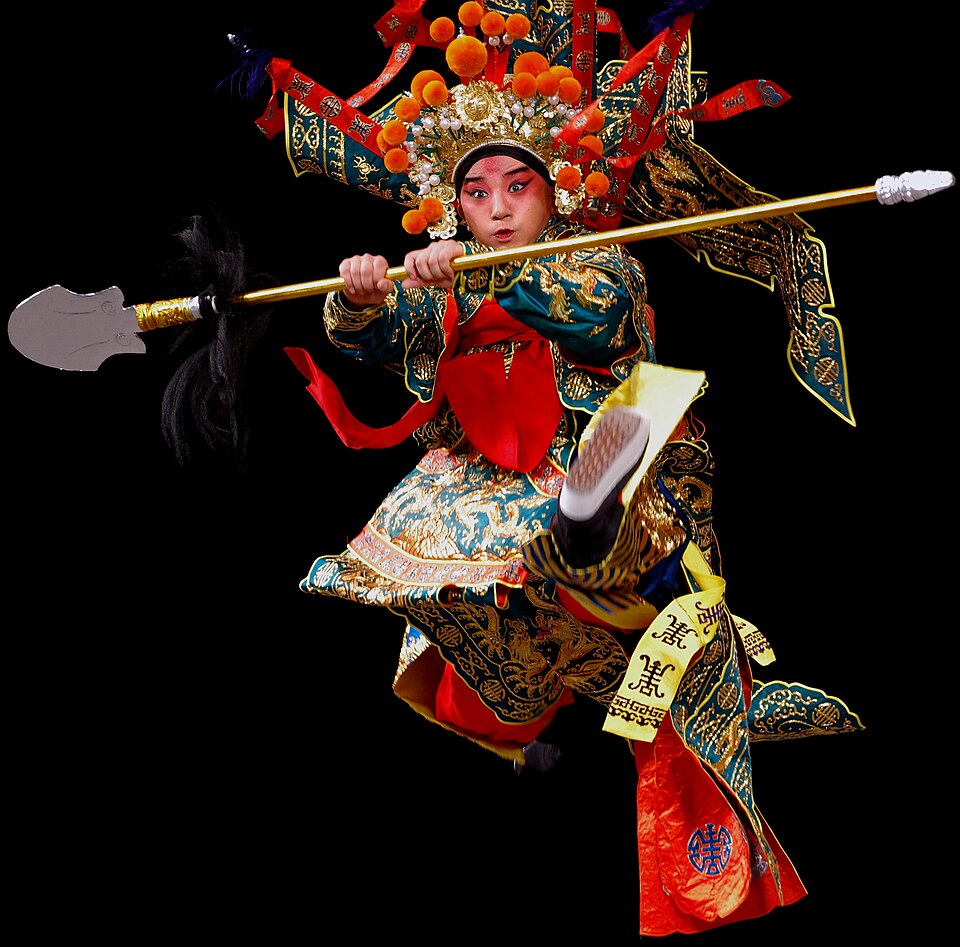
陈文 from 上海 / Wikimedia Commons (CC BY 2.0) sourcelicence Birth of Peking Opera 京剧
Peking opera emerged when the Four Great Anhui Troupes introduced Hui opera to Beijing, honoring the Qianlong Emperor's 80th birthday. This fusion of music, drama, and acrobatics became a cornerstone of Chinese cultural arts.
Peking opera remains a vital symbol of Chinese artistic heritage.
Read more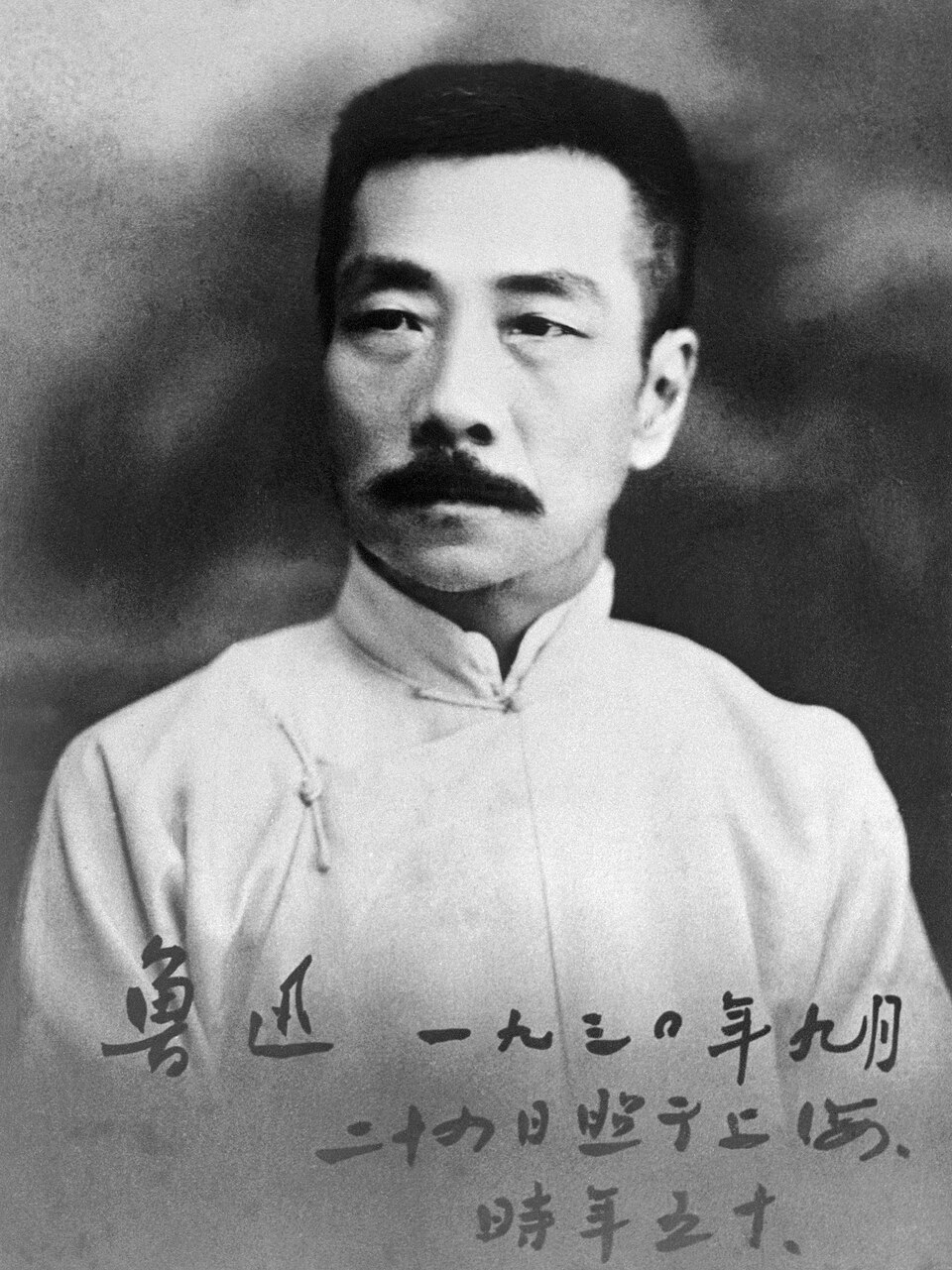
Unknown author Unknown author / Wikimedia Commons (Public domain) source Birth of Lu Xun 鲁迅
Lu Xun, a leading figure in modern Chinese literature, was born in 1881. Known for his sharp social critiques, his works have influenced generations of writers and thinkers in China.
Lu Xun's writings are crucial to understanding modern Chinese literary and cultural movements.
Read more
我看到月亮。
Wǒ kàn dào yuèliang.
I see the moon.
A simple sentence using 'moon'.
月亮很漂亮。
Yuèliang hěn piàoliang.
The moon is beautiful.
Describes the moon with an adjective.
她喜欢看月亮。
Tā xǐhuān kàn yuèliang.
She likes to watch the moon.
Expresses enjoyment of watching the moon.
月亮象征团圆。
Yuèliang xiàngzhēng tuányuán.
The moon symbolizes reunion.
Uses 'moon' in a symbolic sense.
Using adjectives to describe nouns
noun + 很 + adjective
In Chinese, adjectives are often preceded by 很 (hěn) when describing nouns to create a complete phrase.
Use 很 to connect adjectives to nouns naturally.
月亮很圆。
Yuèliang hěn yuán.
The moon is very round.
月饼很好吃。
Yuèbǐng hěn hǎochī.
The mooncake is very tasty.
中秋节很热闹。
Zhōngqiū Jié hěn rènào.
The Mid-Autumn Festival is very lively.
What does 月亮 mean?
How is 月亮 pronounced?
How do you write "the moon" in Chinese?
Listen. What does the sentence mean?
天上的___很亮。(The ___ in the sky is very bright.)
月亮很圆。 — What does this sentence mean?
Which festival is closely associated with the full moon in Chinese culture?
Arrange into a correct sentence
What art form was created when the Four Great Anhui Troupes introduced Hui opera to Beijing?
Which influential Chinese author was born in 1881?
Frequently asked questions about the word 月亮
月 is pronounced with a falling tone (yuè), while 亮 is pronounced with a rising tone (liàng). Make sure to emphasize the tones to convey the correct meaning.
While 月亮 is commonly used in everyday language, in scientific discussions, you may want to use the term 月球 (yuèqiú) for 'lunar body' or 'moon'.
月 (yuè) refers to the moon in a more general sense, while 月亮 (yuèliang) specifically emphasizes its brightness and is more commonly used in conversational contexts.
Chinese Learner’s Horoscope
Your sign’s reading for today, written for learners.
Find your sign
The Chinese zodiac assigns each birth year one of twelve animals, each paired with an element that colours its character. Yours shapes a reading written for learners.
- Your sign and its elementOne of twelve animals on a 12-year cycle
- A daily affirmationFresh every morning, never repeated
- A learning horoscopeWhat to study today, and when
- A lucky characterWith pinyin, meaning and a study tip
Your birth date
Saved on this device — used only to work out your zodiac sign.
Today's Mandarin word: 月亮 (yuèliang) — the moon.
Learn it on Mandarin Temple's Dragon Daily 🐉