
September 13, 2026 · 星期日
The Monkey King
猴子· monkey

 Today’s episode with Jason & Amy
The word 猴 connects to today's story as it represents the clever and adventurous Monkey King, a central character in Chinese literature.
白露 is named for the glistening dew that beads on grass and leaves as cool nights condense the air's moisture. The temperature gap between day and night widens sharply, and a clear autumn crispness sets in.
In some regions people brew "白露 tea" or rice wine, and gather ten kinds of white-named herbs to make a nourishing tonic.
The Monkey King
猴子hóu zǐ
The Monkey King, also known as Sun Wukong, is a beloved character in Chinese literature. He is one of the main protagonists in the classic novel 'Journey to the West' (《西游记》) written by Wu Cheng'en during the Ming dynasty[1]. Sun Wukong is known for his mischievous and adventurous nature, often using his intelligence and magical powers to overcome challenges.
Sun Wukong was born from a stone and possesses incredible strength and agility, traits that make him a formidable figure in the novel. His adventures in 'Journey to the West' begin when he joins the monk Xuanzang on a pilgrimage to India to retrieve sacred Buddhist texts[2]. Throughout the journey, the Monkey King uses his shape-shifting abilities and his magical staff, the Ruyi Jingu Bang, to protect his companions from various demons and obstacles.
The story of the Monkey King has been adapted into numerous films, television shows, and other forms of media, making it a cultural icon in East Asia. It has captivated audiences with its blend of mythology, comedy, and moral lessons. The character of Sun Wukong embodies the spirit of cleverness and resilience, qualities that have endeared him to many generations. The word 猴 (hóu), meaning 'monkey', is directly associated with this legendary figure, reminding us of the rich literary heritage and cultural significance of the Monkey King.
The word 猴 connects to today's story as it represents the clever and adventurous Monkey King, a central character in Chinese literature.
猴子很聪明。
Hóuzi hěn cōngmíng.
The monkey is very clever.
- [1] Wu Cheng'en, 'Journey to the West' (《西游记》)
- [2] Wu Cheng'en, 'Journey to the West' (《西游记》)
Jason & Amy on 猴
Podcast: Dragon Daily: The Monkey King — and the word 猴
Jason & Amy on The Monkey King and 猴
New here?
September 13, 2026
Today reflects the diversity of Chinese cultural and historical influences from around the world.
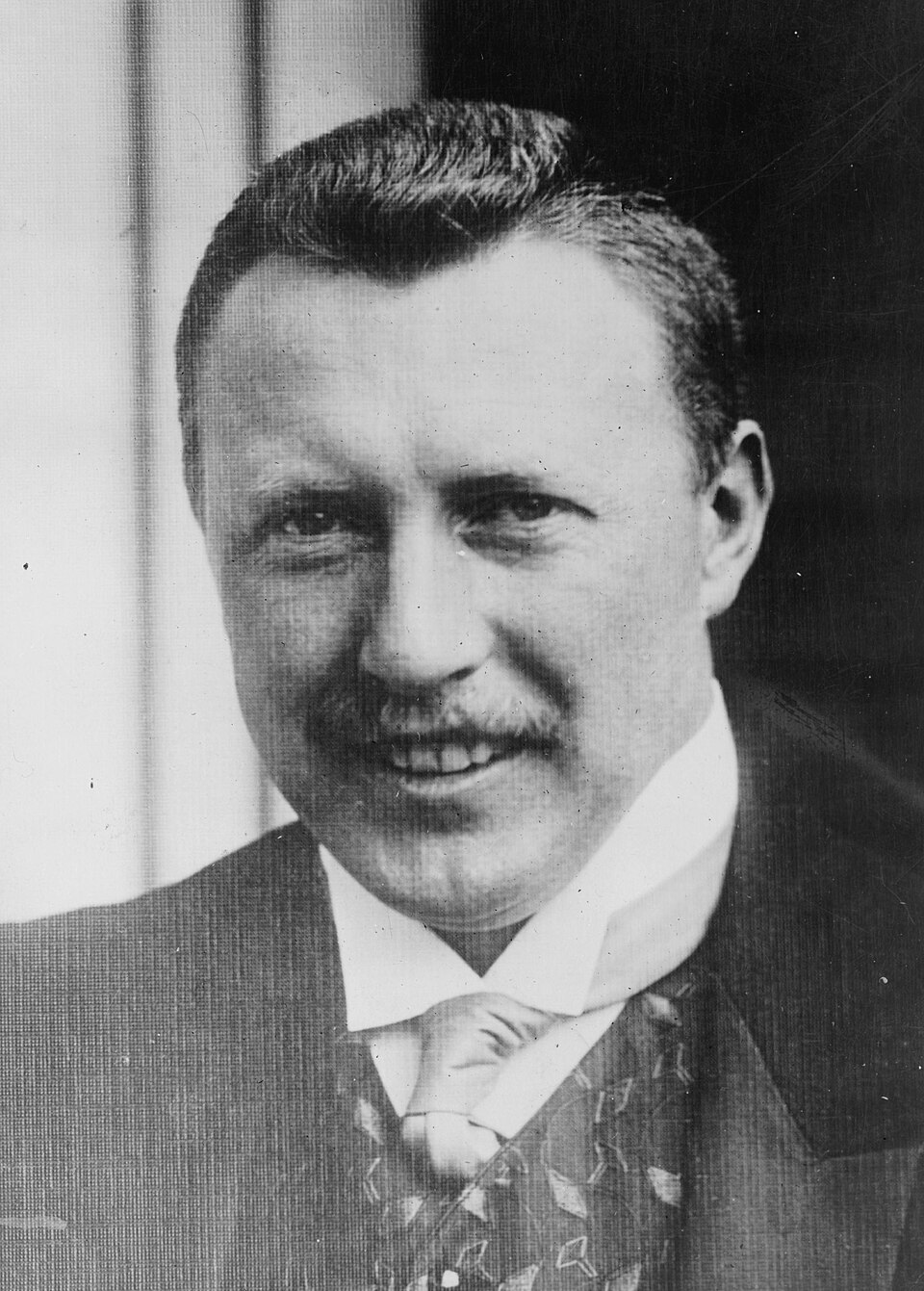
Bain Photo Company / Wikimedia Commons (Public domain) source Birth of Wilhelm Filchner, explorer
Wilhelm Filchner was a German-Swiss explorer known for his expeditions to the polar regions. His exploration work, particularly in Antarctica, contributed to our understanding of these remote areas.
Filchner's explorations laid the groundwork for later scientific research in polar climates.
Read more
猴子真可爱。
Hóuzi zhēn kě'ài.
The monkey is really cute.
Simple sentence using 猴 to describe a monkey.
他像猴子一样灵活。
Tā xiàng hóuzi yīyàng línghuó.
He is as agile as a monkey.
Uses 猴 to compare agility to a monkey.
猴子的智慧令人惊讶。
Hóuzi de zhìhuì lìng rén jīngyà.
The monkey's intelligence is amazing.
Highlights intelligence using 猴.
他像猴子一样机灵地解决了问题。
Tā xiàng hóuzi yīyàng jīlíng de jiějué le wèntí.
He solved the problem cleverly like a monkey.
Abstract usage of 猴 to describe clever problem-solving.
Comparative structure using 像
像 + noun + 一样 + adjective
This pattern is used to make comparisons, indicating that something is like something else in a particular way.
Use this structure to compare two things based on a shared quality.
他像猴子一样灵活。
Tā xiàng hóuzi yīyàng línghuó.
He is as agile as a monkey.
她像花一样美丽。
Tā xiàng huā yīyàng měilì.
She is as beautiful as a flower.
这个问题像谜一样难。
Zhège wèntí xiàng mí yīyàng nán.
This problem is as difficult as a riddle.
What does 猴 mean?
How is 猴 pronounced?
How do you write "monkey" in Chinese?
Listen. What does the sentence mean?
小___在树上玩。(The little ___ is playing in the tree.)
猴子很聪明。 — What does this sentence mean?
Who is the Monkey King in 'Journey to the West'?
Arrange into a correct sentence
Which explorer was known for expeditions to the polar regions?
Frequently asked questions about the word 猴
It is pronounced as 'hóu', with a rising tone.
The classifier is 只 (zhī), which is also used for small animals.
Yes, it can refer to both monkeys and apes in a broader sense.
Chinese Learner’s Horoscope
Your sign’s reading for today, written for learners.
Find your sign
The Chinese zodiac assigns each birth year one of twelve animals, each paired with an element that colours its character. Yours shapes a reading written for learners.
- Your sign and its elementOne of twelve animals on a 12-year cycle
- A daily affirmationFresh every morning, never repeated
- A learning horoscopeWhat to study today, and when
- A lucky characterWith pinyin, meaning and a study tip
Your birth date
Saved on this device — used only to work out your zodiac sign.
Today's Mandarin word: 猴 (hóu) — monkey.
Learn it on Mandarin Temple's Dragon Daily 🐉