
August 18, 2026 · 星期二
Ritual Bronzes
青铜· copper (chemistry)

 Today’s episode with Jason & Amy
Copper, an essential component of bronze, showcases ancient China's advanced metallurgy.
立秋 marks the official start of autumn, though the lingering "autumn tiger" heat often hangs on for weeks. Subtle signs appear — a cooler breeze at dawn, the first yellowing leaves, ripening fruit.
People practice 贴秋膘 ("sticking on autumn fat"), eating hearty meats to recover weight lost in summer, and bite into melon (啃秋).
Ritual Bronzes
青铜qīng tóng
Ritual bronzes, or qīngtóng (青铜), are a remarkable testament to the artistic and cultural achievements of ancient China, particularly during the Shang (c. 1600–1046 BCE) and Zhou (c. 1046–256 BCE) dynasties. These objects, crafted primarily from bronze, were used in religious ceremonies and as symbols of power and status. The intricate designs and inscriptions found on ritual bronzes offer insight into the beliefs, practices, and social hierarchies of these early Chinese societies[1].
During the Shang dynasty, bronze vessels were primarily used for ancestor worship. These vessels were often adorned with taotie (饕餮) motifs, a kind of mythical creature, symbolizing protection and mystery. The technology of casting bronze was highly advanced, allowing craftsmen to create detailed and durable works of art. The inscriptions sometimes found on these bronzes are among the earliest examples of Chinese writing, providing valuable historical and linguistic information[2].
In the Zhou dynasty, the use of bronze expanded beyond ritual purposes to include musical instruments and weapons, yet the ritual significance remained important. Bronze bells, for instance, were used in ceremonial music, demonstrating the harmonious blend of art and utility. The word 铜 (tóng), meaning copper, is crucial in understanding these artifacts, as copper is a primary component of bronze[3]. This connection highlights the technological and material sophistication of ancient Chinese metallurgy, which was essential in producing these iconic cultural items.
Today, ritual bronzes are studied not only for their artistic value but also for what they reveal about ancient Chinese society. Museums worldwide, including the National Museum of China in Beijing, house extensive collections of these artifacts, allowing people to appreciate their beauty and historical significance. As we reflect on these remarkable objects, we gain a deeper understanding of the cultural and spiritual fabric of early China, making ritual bronzes a compelling subject for both art enthusiasts and historians alike.
Copper, an essential component of bronze, showcases ancient China's advanced metallurgy.
青铜器很珍贵。
Qīngtóngqì hěn zhēnguì.
Ritual bronzes are precious.
- [1] 《尚书》 (The Book of Documents), a classical Chinese text that discusses early Chinese history and culture.
- [2] 《周礼》 (The Rites of Zhou), an ancient text outlining the bureaucracy and rituals of the Zhou dynasty.
- [3] 《诗经》 (The Book of Songs), a collection of ancient Chinese poems, some of which reference the use of bronze in rituals.
Jason & Amy on 铜
Podcast: Dragon Daily: Ritual Bronzes — and the word 铜
Jason & Amy on Ritual Bronzes and 铜
New here?
August 18, 2026
Today in Chinese cultural history, we celebrate the birth of a renowned composer and remember the legacy of an emperor from the Ming dynasty.
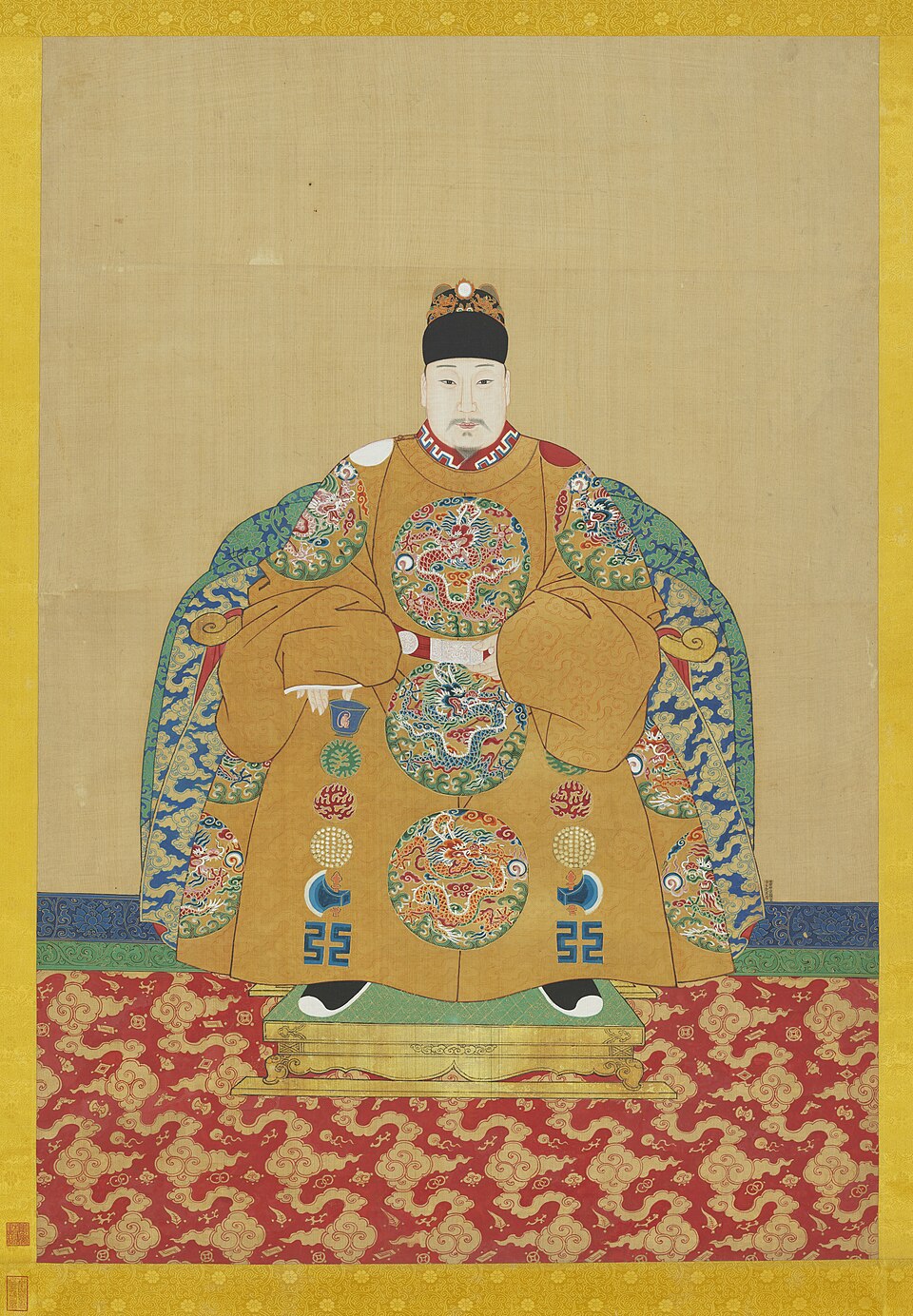
Unknown author Unknown author / Wikimedia Commons (Public domain) source Death of Wanli Emperor 万历皇帝
The Wanli Emperor, who ruled during the late Ming dynasty, passed away in 1620. His reign was marked by economic expansion and cultural flourishing, but also by challenges in governance.
The Wanli Emperor's era significantly impacted the cultural and economic landscape of China.
Read more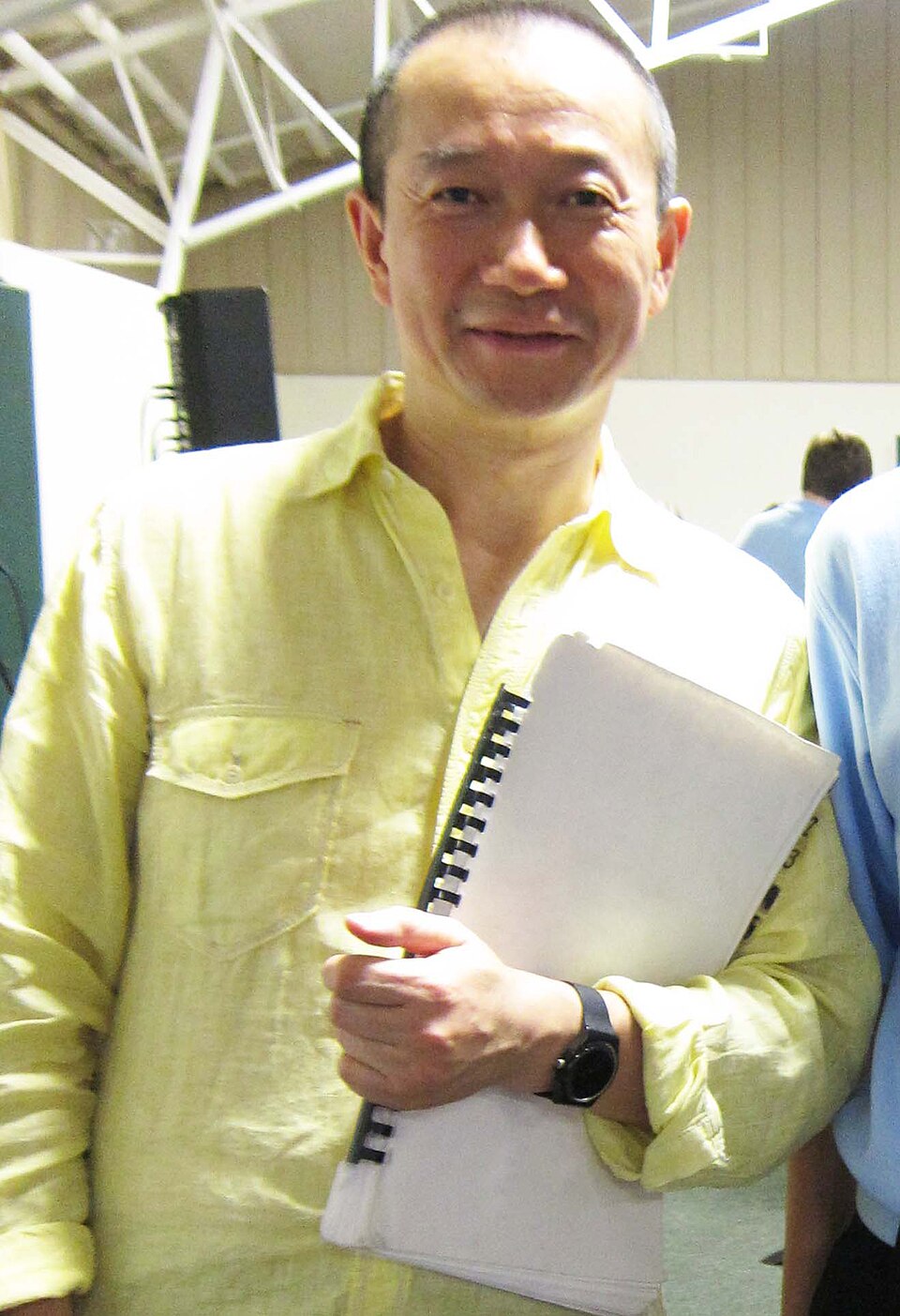
en:User:Iluv2write at en.wikipedia.org / Wikimedia Commons (CC BY-SA 3.0) sourcelicence Birth of Composer Tan Dun 谭盾
Tan Dun, a globally celebrated Chinese composer, was born in 1957. Known for his innovative approach, blending Eastern and Western musical traditions, he won an Academy Award for his score of 'Crouching Tiger, Hidden Dragon.'
Tan Dun's work bridges cultural divides and brings Chinese music to an international audience.
Read more
铜是一种金属。
Tóng shì yī zhǒng jīnshǔ.
Copper is a metal.
Simple sentence showing 铜 as a type of metal.
青铜是由铜制成的。
Qīngtóng shì yóu tóng zhìchéng de.
Bronze is made from copper.
Illustrates the composition of bronze using 铜.
铜器在古代很重要。
Tóngqì zài gǔdài hěn zhòngyào.
Copper artifacts were important in ancient times.
Discusses the significance of copper artifacts historically.
青铜器的艺术价值无与伦比。
Qīngtóngqì de yìshù jiàzhí wú yǔ lún bǐ.
The artistic value of ritual bronzes is unparalleled.
Highlights the exceptional artistic value of ritual bronzes.
是…的 (shì…de) structure
是 + verb + 的
This pattern is used to emphasize the manner or reason of an action.
Use it to focus on how or why something was done.
这本书是他写的。
Zhè běn shū shì tā xiě de.
This book was written by him.
这道菜是妈妈做的。
Zhè dào cài shì māma zuò de.
This dish was made by mom.
会议是在北京开的。
Huìyì shì zài Běijīng kāi de.
The meeting was held in Beijing.
What does 铜 mean?
How is 铜 pronounced?
How do you write "copper" in Chinese?
Listen. What does the sentence mean?
天空是___的。(The sky is ___.).
这个铜器很贵重。 — What does this sentence mean?
Ritual bronzes were primarily used for what purpose in ancient China?
Arrange into a correct sentence
Which Chinese composer, born in 1957, is known for blending Eastern and Western music?
Which emperor's reign was marked by cultural flourishing but also governance challenges?
Frequently asked questions about the word 铜
铜 (tóng) is copper, while 锡 (xī) refers to tin. They are different metals with distinct properties and uses.
You would say '铜线' (tóngxiàn), with '线' meaning 'wire'.
Yes, it can be used in discussions about metals, cooking utensils, and even in historical contexts.
Chinese Learner’s Horoscope
Your sign’s reading for today, written for learners.
Find your sign
The Chinese zodiac assigns each birth year one of twelve animals, each paired with an element that colours its character. Yours shapes a reading written for learners.
- Your sign and its elementOne of twelve animals on a 12-year cycle
- A daily affirmationFresh every morning, never repeated
- A learning horoscopeWhat to study today, and when
- A lucky characterWith pinyin, meaning and a study tip
Your birth date
Saved on this device — used only to work out your zodiac sign.
Today's Mandarin word: 铜 (tóng) — copper (chemistry).
Learn it on Mandarin Temple's Dragon Daily 🐉