
Podcast


Podcast: Traditional Chinese Medicine in the Modern World
Listen to Jason & Amy discuss Traditional Chinese Medicine in the Modern World
New here?
Crisis and Survival in the Republican Era
The founding of the Republic of China in 1912 inaugurated the most perilous period in the history of traditional Chinese medicine. Reformist intellectuals, inspired by Western science and eager to modernize Chinese society, mounted sustained attacks on traditional medicine as a relic of feudal superstition incompatible with scientific progress. The most dramatic threat came in 1929, when the Central Ministry of Health proposed the outright abolition of traditional Chinese medicine, a move that provoked massive protests from practitioners and the public and was ultimately blocked by political intervention (Taylor, 2005).
The crisis of the Republican period forced traditional medicine advocates to articulate defenses of their discipline in terms intelligible to a modernizing society. Some reformers within the traditional medicine community, such as the physician Yun Tieqiao, argued for a selective modernization that would preserve the theoretical core of Chinese medicine while adopting scientific methods of research and quality control. Others, like the Suzhou-based Guoyi Guan (National Medicine Institute), advocated for maintaining the integrity of classical theory and practice while seeking institutional recognition alongside Western medicine. These internal debates shaped the contours of traditional medicine's engagement with modernity throughout the twentieth century (Scheid, 2007).
The survival of traditional Chinese medicine during the Republican era owed much to its deep roots in popular culture and its continued effectiveness for conditions poorly served by the Western medicine available in China at the time. In rural areas, where Western-trained physicians were scarce, traditional practitioners continued to serve as the primary source of healthcare. The Japanese occupation (1937–1945) and the civil war further disrupted the establishment of Western medical infrastructure, inadvertently ensuring the continued vitality of traditional practice. By the time the People's Republic was established in 1949, traditional medicine remained the most widely available form of healthcare for the majority of China's population (Taylor, 2005).
"Chinese medicine and pharmacology are a great treasure house."
Mao Zedong, 1958Institutionalization Under the People's Republic
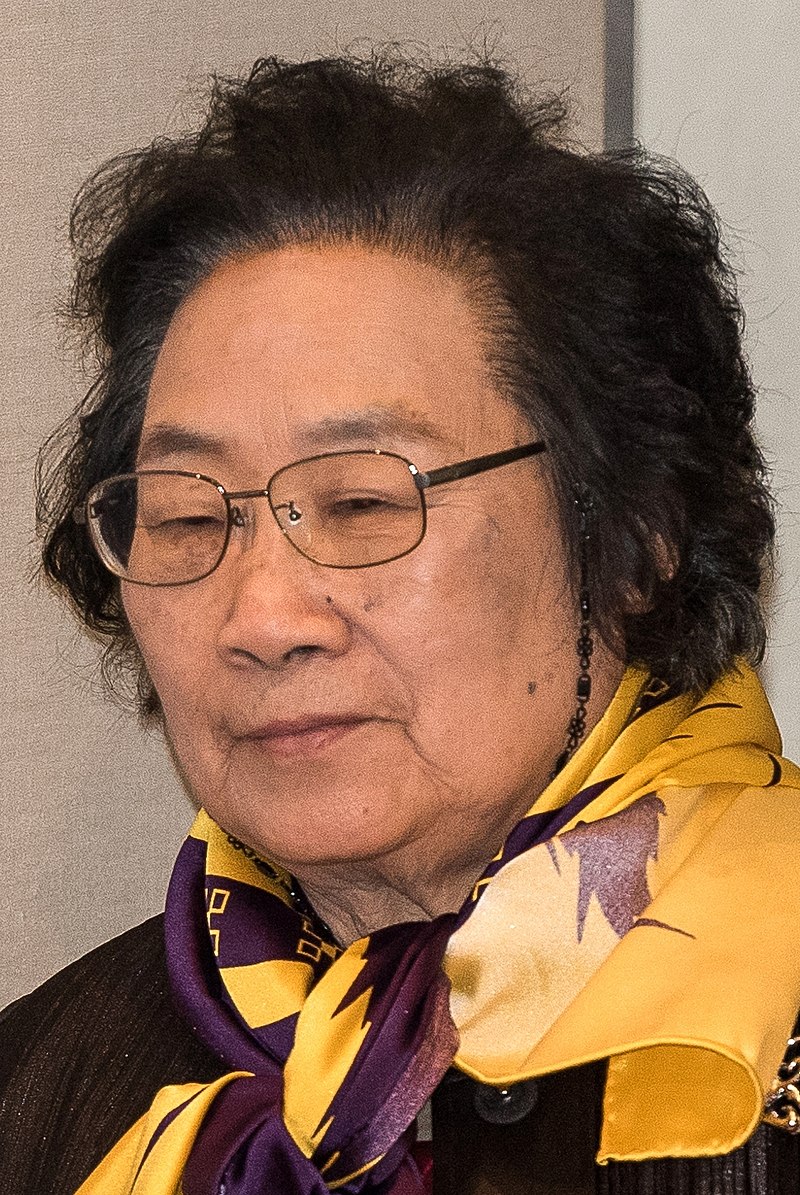
The founding of the People's Republic of China in 1949 brought a dramatic reversal in the fortunes of traditional Chinese medicine. Mao Zedong, recognizing both the practical necessity and the ideological value of traditional medicine, declared it a "great treasure house" that should be explored and developed. Government policy from the 1950s onward promoted the integration of traditional and Western medicine, established dedicated TCM universities and hospitals, and supported research programs aimed at validating traditional therapies through scientific methods (Taylor, 2005).
The institutional infrastructure created during this period was substantial. By the 1960s, China had established more than twenty TCM universities, hundreds of TCM hospitals, and a network of research institutes dedicated to the scientific study of traditional therapies. The standardization of TCM education involved the creation of unified textbooks that systematized the diverse regional and lineage-based traditions of Chinese medicine into a coherent curriculum. This process of standardization, while enabling large-scale education and practice, also involved significant simplification and the marginalization of heterodox or minority traditions (Scheid, 2007).
The Cultural Revolution (1966–1976) produced contradictory effects on traditional medicine. On one hand, the persecution of intellectuals disrupted medical education and research; on the other, the campaign to send medical workers to the countryside and the training of "barefoot doctors" in basic traditional and Western medical techniques expanded access to healthcare in rural areas. The barefoot doctor program, which incorporated acupuncture, herbal medicine, and basic Western medical procedures, became an internationally celebrated model of primary healthcare delivery that demonstrated the potential of integrating traditional and modern medical approaches (Hsu, 1999).
Tu Youyou and the Artemisinin Discovery
The most celebrated modern vindication of traditional Chinese pharmacological knowledge came through Tu Youyou's discovery of artemisinin, for which she was awarded the Nobel Prize in Physiology or Medicine in 2015. In 1969, during the height of the Vietnam War, the Chinese military commissioned Project 523, a secret program to find new antimalarial drugs for North Vietnamese soldiers suffering devastating losses to drug-resistant malaria. Tu Youyou, a researcher trained in both Western pharmacology and traditional Chinese medicine, was appointed to lead the herbal medicine investigation team (Su & Miller, 2015).
Tu Youyou's breakthrough came from a systematic review of classical Chinese medical texts. After screening over two thousand traditional herbal recipes and testing hundreds of herbal extracts without success, she turned to the fourth-century text Zhou Hou Bei Ji Fang (Emergency Prescriptions Kept Up One's Sleeve) by the Daoist physician Ge Hong. Ge Hong's prescription specified soaking qinghao (Artemisia annua) in cold water and wringing out the juice — a detail that proved crucial, as Tu Youyou realized that the conventional extraction method using high-temperature boiling was destroying the active compound. By switching to a low-temperature ether extraction, she isolated artemisinin, which proved spectacularly effective against malaria parasites (Su & Miller, 2015).
The artemisinin story illustrates both the potential and the complexity of mining traditional pharmacological knowledge for modern drug development. The discovery depended not merely on screening a traditional herb but on a sophisticated reading of the classical text that recognized the clinical significance of Ge Hong's specific preparation instructions. Tu Youyou's dual training in traditional Chinese medicine and modern pharmacology enabled her to bridge the conceptual gap between the classical and modern frameworks — a capacity that neither purely traditional practitioners nor purely Western-trained scientists could have replicated as effectively (Hsu, 2006).
"Take a handful of qinghao, soak it in two sheng of water, wring out the juice."
Ge Hong, Zhou Hou Bei Ji Fang (c. 340 CE)WHO Recognition and Global Standardization
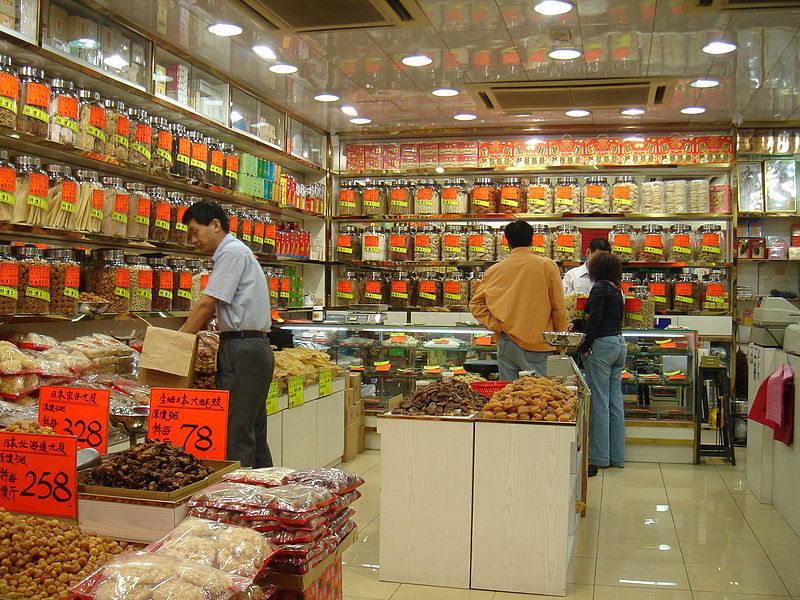
The World Health Organization has played an increasingly active role in recognizing and standardizing traditional medicine since the landmark Alma-Ata Declaration of 1978, which called for the integration of traditional medicine into national healthcare systems. The WHO Traditional Medicine Strategy, most recently updated for 2014–2023, encourages member states to develop national policies for traditional medicine, support research into safety and efficacy, and establish regulatory frameworks for practice and products (WHO, 2013).
A milestone in the international recognition of traditional Chinese medicine came in 2019, when the WHO included a chapter on traditional medicine conditions in the eleventh revision of the International Classification of Diseases (ICD-11). This chapter, developed through extensive consultation with traditional medicine practitioners and researchers from China, Japan, and Korea, provides standardized diagnostic codes for traditional medicine patterns and conditions, enabling their systematic documentation in health records and epidemiological databases. While controversial among some biomedical professionals, the inclusion represents an unprecedented level of institutional recognition for traditional medical knowledge within the global health architecture (WHO, 2013).
Standardization efforts have also extended to the materia medica and clinical practice guidelines. The International Organization for Standardization (ISO) has established Technical Committee 249 for traditional Chinese medicine, developing standards for herbal product quality, terminology, and clinical practice. The Chinese Pharmacopoeia, revised and expanded in each edition, provides quality standards for over 2,700 traditional medicinal substances. These standardization initiatives aim to ensure the safety, quality, and consistency of traditional medicine products and practices as they enter international healthcare markets, though critics argue that the reduction of complex traditional knowledge to standardized protocols risks losing essential elements of clinical individualization (Scheid, 2007).
Scientific Validation and Ongoing Debate
The scientific evaluation of traditional Chinese medicine has produced a substantial and growing body of evidence, though one that remains contested and incomplete. Areas with the strongest evidence base include acupuncture for chronic pain and nausea, specific herbal formulas for conditions such as irritable bowel syndrome and eczema, and mind-body practices like tai chi and qigong for balance, cardiovascular health, and psychological well-being. The Cochrane Collaboration and other systematic review organizations have evaluated hundreds of TCM interventions, finding evidence of efficacy for some while noting insufficient evidence or methodological concerns for many others (Hsu, 2006).
The methodological challenges of evaluating traditional Chinese medicine through randomized controlled trials are substantial and have generated important debates about research design. Classical TCM treatment is highly individualized, with different patients presenting similar Western diagnoses receiving entirely different herbal prescriptions or acupuncture protocols based on their individual pattern diagnosis. Standard RCT designs, which typically test a single standardized intervention against placebo, may not capture the efficacy of this individualized approach. Pragmatic trial designs, whole-systems research methods, and mixed-methods approaches have been proposed as methodological innovations better suited to evaluating complex, individualized therapeutic systems (Scheid, 2007).
The relationship between traditional Chinese medicine and evidence-based medicine remains a subject of active debate within the global medical community. Proponents argue that the accumulated clinical experience of thousands of years represents a form of evidence that should inform research priorities and therapeutic decisions, even when formal trial evidence is incomplete. Critics counter that historical use alone cannot establish efficacy or safety, and that the theoretical framework of traditional Chinese medicine, based on concepts like qi, yin-yang, and the five phases, lacks the mechanistic plausibility required by modern biomedical standards. This tension between empirical tradition and scientific validation continues to shape the evolving identity of TCM in the twenty-first century (Su & Miller, 2015).
"Make the ancient serve the present; make the foreign serve China."
Chinese medical reform slogan, 1950sGlobal Spread and Future Prospects
Traditional Chinese medicine has achieved remarkable global penetration in the twenty-first century. Acupuncture is practiced in over 180 countries, and Chinese herbal products represent a multi-billion-dollar international market. Professional training programs exist in major cities throughout Europe, North America, Australia, and increasingly in Africa and Latin America. In many countries, acupuncture has achieved varying degrees of regulatory recognition and insurance coverage, reflecting its growing acceptance within mainstream healthcare systems (WHO, 2013).
The global spread of TCM has been actively supported by Chinese government policy, particularly through the Belt and Road Initiative, which includes provisions for establishing TCM centers in participating countries. By 2020, China had established more than thirty overseas TCM centers in countries including the United States, Australia, Germany, and South Africa. These centers serve as both clinical facilities and platforms for cultural exchange, embodying China's vision of TCM as a vehicle for soft power and international cultural engagement. The COVID-19 pandemic further raised the international profile of TCM, as Chinese health authorities promoted traditional medicine interventions as part of their pandemic response protocols, generating both interest and controversy internationally (Hsu, 2006).
The future of traditional Chinese medicine in the global healthcare landscape will likely be shaped by several converging trends: the continued accumulation of scientific evidence for specific interventions, the development of regulatory frameworks that accommodate the distinctive characteristics of traditional practice, the integration of traditional and modern medical approaches in clinical settings, and the application of contemporary technologies such as artificial intelligence, genomics, and network pharmacology to traditional medical knowledge. Whether TCM ultimately achieves full integration into evidence-based healthcare, maintains a parallel complementary status, or finds some hybrid position will depend on the outcomes of ongoing scientific, political, and cultural negotiations that extend far beyond the domain of medicine itself (Su & Miller, 2015).
Quiz
What was the most dramatic threat to traditional Chinese medicine during the Republican Era?
How did Mao Zedong view traditional Chinese medicine?
What was a key aspect of Tu Youyou's discovery of artemisinin?
What role did the WHO play in the global recognition of traditional Chinese medicine?
What was the effect of the Cultural Revolution on traditional medicine?
What is a key challenge in evaluating traditional Chinese medicine through randomized controlled trials?
How has the Chinese government supported the global spread of TCM?
What is a controversial aspect of the WHO's inclusion of traditional medicine in ICD-11?
Write your thoughts, then get feedback from Jason — you can turn any answer into a full discussion.
9. How might the integration of traditional Chinese medicine and modern medical approaches benefit global healthcare systems?
10. In what ways do you think the historical survival of traditional Chinese medicine reflects its adaptability?
Frequently Asked Questions
Common questions about Traditional Chinese Medicine in the Modern World
How is traditional Chinese medicine used in modern healthcare?
Traditional Chinese medicine is integrated into modern healthcare systems across East Asia, where it is practiced alongside Western medicine in hospitals and clinics. In China alone, TCM accounts for roughly 40% of all healthcare delivered, and treatments like acupuncture, herbal medicine, and tuina are increasingly offered in integrative medicine centers in Europe, North America, and Australia.
Is traditional Chinese medicine recognized by the World Health Organization?
Yes, the World Health Organization included traditional Chinese medicine diagnostic categories in its International Classification of Diseases (ICD-11) for the first time in 2019. The WHO has also published strategies supporting the integration of traditional medicine into national healthcare systems and recognizes acupuncture as effective for numerous conditions.
What is the role of artemisinin in connecting TCM to modern pharmacology?
Artemisinin, the world's most effective antimalarial drug, was discovered by Chinese scientist Tu Youyou through systematic investigation of traditional Chinese herbal remedies described in ancient medical texts. Her 2015 Nobel Prize in Physiology or Medicine highlighted the potential of traditional pharmacological knowledge to yield breakthrough modern therapeutics.
What are the main challenges facing traditional Chinese medicine today?
Key challenges include establishing rigorous scientific evidence for TCM therapies through randomized controlled trials, standardizing herbal preparations for consistent quality and safety, and addressing concerns about sustainability and conservation of endangered medicinal plant and animal species. There are also ongoing debates about integrating traditional diagnostic frameworks with modern biomedical paradigms.
Can traditional Chinese medicine and Western medicine be used together?
Integrative approaches combining TCM and Western medicine are increasingly common, particularly in China, Japan, and South Korea, where patients may receive surgical treatment alongside herbal formulas or acupuncture for postoperative recovery. Research into herb-drug interactions and evidence-based integration protocols is growing, though practitioners emphasize the importance of coordinated care to avoid potential conflicts between treatments.