
Podcast


Podcast: Sun Simiao: The King of Medicine
Listen to Jason & Amy discuss Sun Simiao: The King of Medicine
New here?
Life of the King of Medicine
Sun Simiao (孙思邈) was born around 581 CE in Huayuan, in the region of modern Shaanxi province, and lived to the extraordinary age of approximately 101 years — a longevity that his contemporaries and later generations attributed to his mastery of the yangsheng arts he so eloquently advocated. According to traditional accounts, Sun Simiao was a precocious child who had mastered the Confucian classics, Daoist philosophy, and Buddhist scriptures by the age of twenty, but turned away from the conventional path of official service to pursue the study of medicine and self-cultivation. He reportedly refused invitations from three successive emperors — Wen of Sui, Taizong of Tang, and Gaozong of Tang — to serve as court physician, preferring to live simply in the mountains and treat patients of all social stations without regard to wealth or status. While some of these biographical details may be legendary embellishments, the core portrait of Sun Simiao as a physician who combined extraordinary learning with genuine humility and compassion is consistent across multiple independent sources and has earned him a place among the most revered figures in Chinese medical history (Unschuld, 2003, pp. 135–155).
Sun Simiao's intellectual breadth was remarkable even by the standards of Tang dynasty polymathy. He was deeply versed in Daoist alchemical and longevity traditions, Buddhist medical ethics and compassion philosophy, and Confucian moral cultivation, and his medical writings reflect the creative synthesis of all three traditions. His engagement with Buddhism was particularly significant for his medical ethics: the Buddhist concept of universal compassion (cibei) — the duty to relieve suffering without discrimination — informed Sun Simiao's revolutionary insistence that the physician must treat all patients equally, regardless of their wealth, social rank, age, beauty, or even moral character. This principle, articulated with passionate conviction in the opening chapter of his masterwork, anticipated by centuries the modern concept of universal access to health care and established a standard of medical virtue that remains foundational to Chinese medical ethics. As Sivin (1987) noted, Sun Simiao's integration of Buddhist compassion with Confucian moral cultivation and Daoist longevity practice created a uniquely Chinese vision of the ideal physician — learned, humble, compassionate, and personally embodying the principles of health that he taught to others.
The historical circumstances of Sun Simiao's career were exceptionally favorable to the production of a comprehensive medical encyclopedia. The early Tang dynasty was a period of political stability, economic prosperity, and vigorous intellectual exchange, during which Chinese culture absorbed influences from Central Asia, India, and the Mediterranean world through the Silk Road trade networks. The imperial government actively promoted the compilation and standardization of medical knowledge, and Sun Simiao had access to an unprecedented range of medical texts, including works translated from Sanskrit and other languages that introduced Indian pharmacological and surgical knowledge to Chinese audiences. His position outside the imperial court, while limiting his access to certain resources, also freed him from institutional constraints and political pressures, allowing him to pursue his encyclopedic project according to his own vision. The result was a work of extraordinary comprehensiveness that synthesized Chinese, Indian, and Central Asian medical knowledge into a unified clinical resource without parallel in the pre-modern world (Needham & Lu, 2000, pp. 230–250).
"Human life is of the utmost importance, more precious than a thousand pieces of gold."
Sun Simiao, Preface to Beiji Qianjin YaofangThe Essential Prescriptions Worth a Thousand Gold
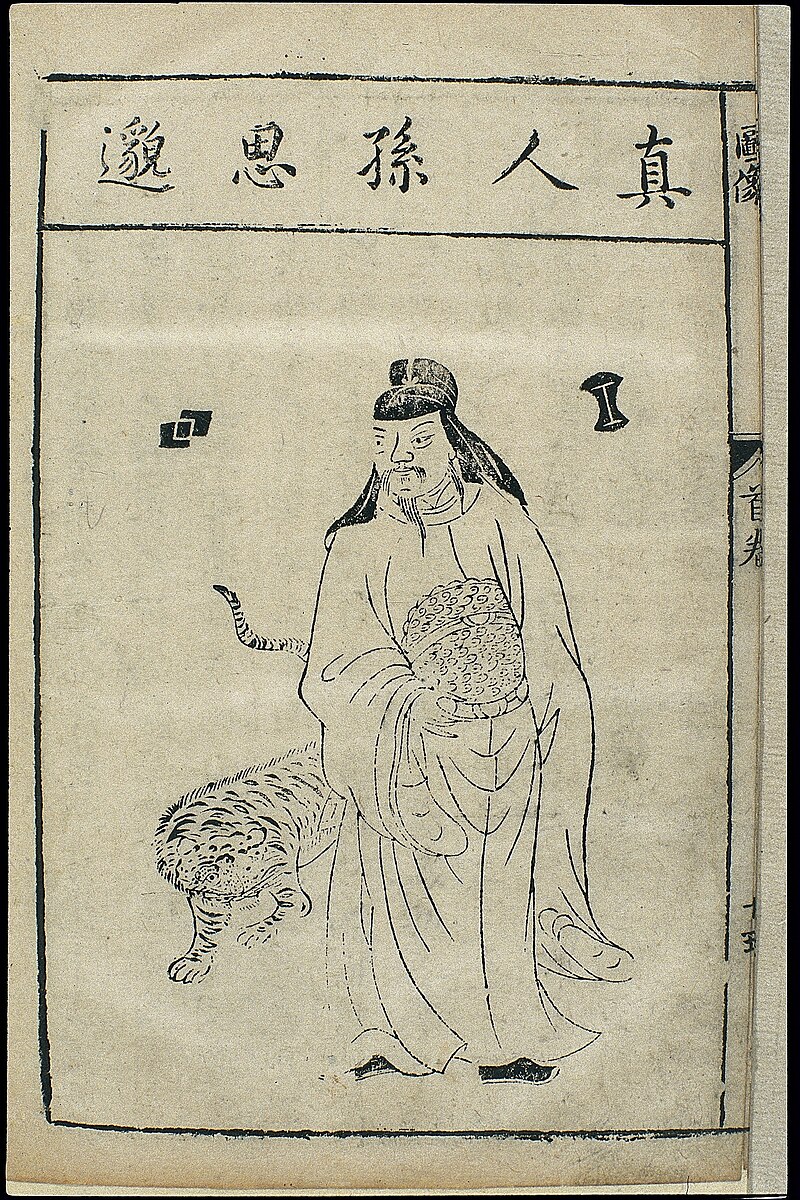
Sun Simiao's masterwork, the Beiji Qianjin Yaofang (备急千金要方, Essential Prescriptions Worth a Thousand Gold for Every Emergency), was completed around 652 CE and subsequently supplemented by the Qianjin Yifang (Supplement to the Prescriptions Worth a Thousand Gold) around 682 CE. Together, these two works constitute a comprehensive medical encyclopedia of thirty volumes each, covering virtually every aspect of medical theory and practice known in seventh-century China. The title itself is programmatic: Sun Simiao declared that a human life is worth more than a thousand pieces of gold, and that any prescription that could save a life deserved to be called "worth a thousand gold" — a statement that elevated the practice of medicine to the highest moral plane and rebuked physicians who withheld knowledge for personal profit. The Qianjin Yaofang contains over 5,300 prescriptions organized by clinical specialty, making it the most comprehensive formulary compiled in China up to that time and a treasure trove of pharmacological knowledge that continues to be mined by researchers today (Unschuld, 1986, pp. 245–268).
The organizational structure of the Qianjin Yaofang reflects Sun Simiao's distinctive medical priorities. Unusually for a classical Chinese medical text, the work begins not with internal medicine or theoretical foundations but with gynecology and obstetrics, a placement that Sun Simiao justified by arguing that the health of women and children was the foundation of family and social well-being. Subsequent volumes address pediatrics, the treatment of the seven orifices (eyes, ears, nose, mouth), internal medicine, surgery, emergency medicine, dietary therapy, pulse diagnosis, acupuncture and moxibustion, and health cultivation (yangsheng). This breadth of coverage was unprecedented: no previous Chinese medical text had attempted to address the full range of clinical specialties within a single work, and the Qianjin Yaofang served as a practical reference for generations of physicians who might otherwise have needed to consult dozens of specialized texts. Sun Simiao's inclusion of detailed instructions for the preparation of medicines — grinding, roasting, soaking, distilling, and other processing methods — ensured that practitioners in remote areas, far from specialized pharmacies, could prepare effective treatments from locally available materials (Sivin, 1987, pp. 315–340).
The Qianjin Yaofang also stands out for its systematic incorporation of non-Chinese medical knowledge. Sun Simiao included Indian prescriptions (translated from Sanskrit Buddhist medical texts), Central Asian remedies introduced through Silk Road commerce, and treatments derived from the medical traditions of China's southern ethnic minorities. His willingness to incorporate foreign medical knowledge reflected both the cosmopolitan spirit of the early Tang dynasty and his own pragmatic conviction that effective remedies should be adopted regardless of their cultural origin. Among the most significant foreign borrowings was the treatment of eye diseases using Indian surgical and pharmacological techniques, which Sun Simiao described in detail and which represented the most advanced ophthalmological knowledge available in China at the time. This openness to cross-cultural medical exchange, combined with Sun Simiao's meticulous documentation of sources, makes the Qianjin Yaofang an invaluable resource for understanding the circulation of medical knowledge along the Silk Road during the first millennium CE (Harper, 1998, pp. 195–215).
On the Absolute Sincerity of Great Physicians
The opening chapter of the Qianjin Yaofang, titled "Da Yi Jing Cheng" (大医精诚, On the Absolute Sincerity of Great Physicians), is widely regarded as the most important statement of medical ethics in the Chinese tradition, comparable in its influence and moral authority to the Hippocratic Oath in Western medicine. In this remarkable essay, Sun Simiao defined the qualities required of the ideal physician with a comprehensiveness and passion that transcended the conventions of medical writing to achieve genuine literary and philosophical distinction. The great physician, Sun Simiao declared, must possess two qualities above all others: jing (精, consummate skill) and cheng (诚, absolute sincerity). Skill without sincerity produced a technician who could diagnose and prescribe but lacked the moral commitment to serve patients with genuine compassion; sincerity without skill produced a well-meaning but ineffective healer whose good intentions could not compensate for clinical incompetence. Only the physician who cultivated both qualities simultaneously deserved to be called a "great physician" (da yi) (Unschuld, 2003, pp. 158–175).
Sun Simiao's ethical prescriptions were remarkably specific and far-reaching. He insisted that the physician must treat all patients with equal care and attention, without regard to their social status, wealth, age, appearance, ethnic origin, intelligence, or moral character — a principle of non-discrimination that was radical in the rigidly hierarchical society of Tang dynasty China. The physician must not use his specialized knowledge to pursue personal wealth or political advantage; he must not take pleasure in the suffering of others or use his power over patients to satisfy his own desires; he must not boast of his skills or denigrate fellow practitioners; and he must be willing to travel through dangerous terrain and endure physical hardship to reach patients in need. Sun Simiao also addressed the physician's emotional and psychological discipline, warning against haste, impatience, arrogance, and the tendency to form premature diagnostic judgments before thoroughly examining the patient. As Lo (2001) observed, Sun Simiao's ethical framework was not merely a set of abstract principles but a detailed guide to the daily practice of medical virtue, addressing specific situations and temptations that physicians routinely encountered.
The influence of "Da Yi Jing Cheng" on Chinese medical culture has been incalculable. The text has been memorized by generations of medical students, displayed prominently in clinics and hospitals, and invoked in countless discussions of medical ethics throughout Chinese history. Modern Chinese medical schools typically require students to study and discuss the essay, and it is frequently cited in contemporary debates about medical professionalism, patient rights, and the commercialization of health care. The essay's insistence on the moral equality of all patients — its explicit rejection of the idea that wealthy or socially prominent patients deserve better care than the poor and marginal — resonates with particular force in the context of contemporary health care inequalities, lending Sun Simiao's seventh-century text a startling relevance to twenty-first-century debates about justice in medicine. The fact that a text written nearly fourteen centuries ago continues to serve as a touchstone for medical ethics in the world's most populous nation testifies to the depth and durability of Sun Simiao's moral vision (Sivin, 1987, pp. 342–360).
"The great physician of absolute sincerity first develops a heart of great compassion and empathy."
Sun Simiao, "Da Yi Jing Cheng" (On the Absolute Sincerity of Great Physicians)Nutritional Therapy and Preventive Medicine
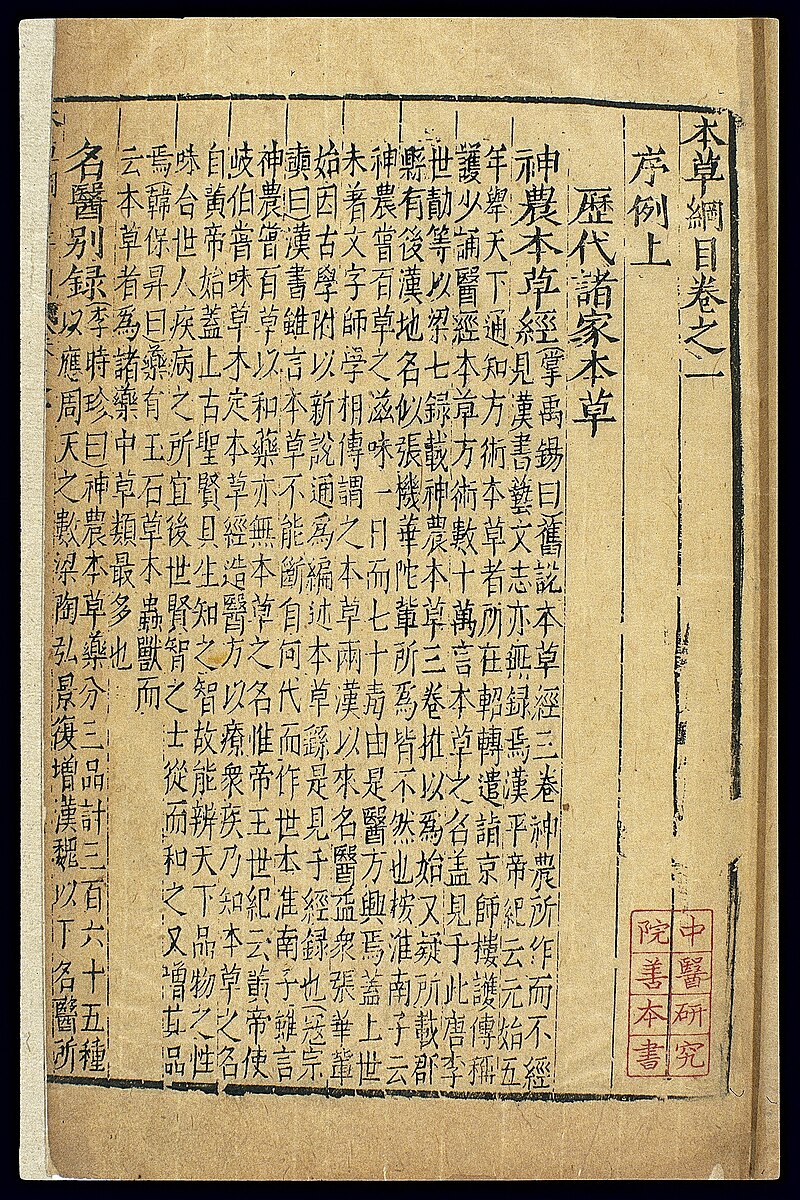
Sun Simiao was among the first Chinese physicians to devote systematic attention to nutritional therapy (shiliao, 食疗), the use of specific foods and dietary practices to prevent and treat disease. The Qianjin Yaofang includes a dedicated volume on dietary therapy that classifies foods according to their thermal nature (cold, cool, neutral, warm, hot), flavor (sour, bitter, sweet, pungent, salty), and organ affinities, providing detailed recommendations for dietary management of specific conditions. Sun Simiao articulated the principle that food should be the first line of treatment, with medicines reserved for cases where dietary intervention alone proved insufficient — a hierarchy of therapeutic modalities that anticipated modern preventive medicine's emphasis on lifestyle modification as the foundation of health maintenance. His famous dictum that "the physician should first treat with food, and only when food fails should he resort to medicine" (先以食治之,食疗不愈然后命药) became one of the most frequently quoted maxims in the Chinese medical tradition (Unschuld, 1986, pp. 270–290).
Sun Simiao's nutritional recommendations reflected a sophisticated understanding of the relationship between diet, season, and individual constitution. He advised that dietary choices should vary with the seasons — cooling foods in summer, warming foods in winter — and that individuals of different constitutional types required different dietary strategies. A person with a cold, yin-predominant constitution should favor warming, yang-supplementing foods such as ginger, cinnamon, and lamb, while a person with a hot, yang-predominant constitution should emphasize cooling foods such as mung beans, chrysanthemum, and winter melon. This individualized approach to nutrition, which persists in contemporary Chinese dietary culture, stands in marked contrast to the universal dietary recommendations that have dominated Western nutritional science until the recent emergence of personalized nutrition research. Sun Simiao also identified specific foods as treatments for defined clinical conditions: he recommended lamb liver for night blindness (a condition now understood to result from vitamin A deficiency, and lamb liver is indeed rich in vitamin A), seaweed for goiter (now understood to result from iodine deficiency, and seaweed is a concentrated source of iodine), and rice bran for beriberi (now understood to result from thiamine deficiency, and rice bran is rich in thiamine). These prescriptions, validated by modern nutritional science, demonstrate the empirical acuity of Sun Simiao's clinical observations (Needham & Lu, 2000, pp. 255–275).
Beyond specific dietary prescriptions, Sun Simiao advocated a comprehensive approach to preventive health that encompassed physical exercise, breath cultivation, emotional regulation, and sexual hygiene alongside dietary management. His health cultivation recommendations included detailed instructions for seasonal exercise routines, self-massage techniques, and breathing exercises designed to maintain the smooth circulation of qi throughout the body. He was particularly attentive to the health needs of the elderly, providing specific dietary and exercise recommendations for maintaining vitality in old age — advice presumably informed by his own experience of extraordinary longevity. Sun Simiao's preventive medicine philosophy represented the fullest expression of the yangsheng tradition within the framework of professional medical practice, integrating ancient self-cultivation techniques with clinical pharmacology and dietary therapy into a comprehensive program of health maintenance that addressed the whole person — body, mind, and spirit — rather than treating disease in isolation from the broader context of the patient's life (Lo, 2001, pp. 130–148).
Contributions to Pharmacology
Sun Simiao's contributions to Chinese pharmacology extended well beyond the compilation of prescriptions to include significant innovations in pharmaceutical processing, drug preparation, and the organization of pharmacological knowledge. The Qianjin Yaofang provides detailed instructions for the preparation of various pharmaceutical dosage forms — decoctions, pills, powders, plasters, tinctures, and suppositories — with precise specifications for ingredient ratios, preparation temperatures, storage conditions, and shelf life. Sun Simiao was particularly attentive to the processing (paozhi) of toxic herbs, providing step-by-step instructions for the detoxification of substances such as aconite, croton, and mercury compounds through roasting, soaking, and repeated washing. These processing techniques, which reduced the toxicity of powerful herbs while preserving their therapeutic activity, represented a practical pharmaceutical knowledge of considerable sophistication, developed through centuries of accumulated clinical experience and refined by Sun Simiao's own systematic observations (Unschuld, 2003, pp. 178–195).
Among Sun Simiao's most significant pharmacological contributions was his systematic documentation of drug interactions and incompatibilities. The Qianjin Yaofang includes extensive lists of herbs that should not be combined in the same prescription because of antagonistic interactions, as well as herbs whose therapeutic effects were enhanced by specific combinations. Sun Simiao also documented the influence of preparation method on therapeutic effect, noting that the same herb could produce different clinical results depending on whether it was administered raw, roasted, vinegar-processed, or honey-prepared. This attention to the modulation of pharmacological activity through processing and combination reflected a level of pharmaceutical reasoning that had no parallel in contemporaneous Western medicine and anticipated modern pharmacological concepts of drug interaction, synergism, and antagonism. The Qianjin Yaofang's systematic approach to pharmaceutical preparation also addressed quality control concerns, specifying harvesting seasons, geographic sources, and physical characteristics of high-quality medicinal materials — information that remains relevant to contemporary quality assurance in Chinese herbal medicine (Sivin, 1987, pp. 365–385).
Sun Simiao's pharmacological legacy includes several specific contributions that have attracted particular attention from modern researchers. He provided the earliest known Chinese description of the treatment of beriberi with dietary supplements, a nutritional therapy that anticipated the discovery of thiamine deficiency by over a thousand years. His prescription for the treatment of goiter with seaweed and animal thyroid glands demonstrated an empirical understanding of iodine-responsive thyroid disease that was not matched in Western medicine until the nineteenth century. He also recorded the earliest known Chinese formulation using sulfur, saltpeter, and charcoal in combination — a mixture that, while intended for fumigation in Sun Simiao's medical context, would later be recognized as the essential components of gunpowder, one of the most consequential inventions in human history. While Sun Simiao should not be credited with inventing gunpowder, his incidental recording of its components illustrates the close relationship between medical alchemy and early chemical experimentation in Tang dynasty China (Needham & Lu, 2000, pp. 280–300).
"As a physician, one should first treat with food; only when food therapy fails should one resort to medicine."
Sun Simiao, Beiji Qianjin Yaofang, Vol. 26Lasting Legacy and Veneration
Sun Simiao's death around 682 CE, at the reported age of 101, was mourned throughout the Tang empire, and his posthumous veneration began almost immediately. Within a generation, temples dedicated to Sun Simiao — known as Yaowang Miao (Medicine King Temples) — began to appear across China, and his image was enshrined alongside those of other legendary healers in medical shrines and pharmacies. The most important of these temples, located on Yaowang Mountain (Medicine King Mountain) near his birthplace in Shaanxi province, became a major pilgrimage site for physicians and patients seeking the blessing of the "King of Medicine." Annual festivals at the Yaowang Mountain temple drew thousands of participants, and the tradition continues today, reflecting the deep popular veneration that Sun Simiao commands not only as a physician but as a moral exemplar and spiritual figure. As Unschuld (1986) observed, Sun Simiao's elevation to the status of a healing deity reflects the distinctive Chinese tendency to sacralize exceptional human achievement, transforming historical figures into objects of religious devotion.
The literary and scientific legacy of Sun Simiao has been equally enduring. The Qianjin Yaofang and its supplement have been continuously in print for over thirteen centuries, making them among the most frequently reprinted works in the Chinese medical canon. Subsequent medical encyclopedias — including the Song dynasty Taiping Shenghuifang and the Ming dynasty Puji Fang — explicitly modeled their organizational structure on Sun Simiao's work, and his formulas have been incorporated into virtually every major Chinese medical formulary compiled since the seventh century. The modern rediscovery of Sun Simiao's nutritional therapy principles has been particularly significant: as contemporary medicine increasingly recognizes the role of diet in disease prevention and health promotion, Sun Simiao's systematic approach to food-as-medicine has been embraced by integrative medicine practitioners worldwide. Clinical research on several of his dietary prescriptions — particularly his treatments for nutritional deficiency diseases — has confirmed their empirical validity, lending scientific authority to therapeutic recommendations made nearly fourteen centuries ago (Sivin, 1987, pp. 390–410).
Perhaps Sun Simiao's most enduring legacy is his vision of the physician as a moral agent whose professional obligations extend beyond the technical treatment of disease to encompass the cultivation of compassion, the pursuit of justice in the distribution of health care, and the personal embodiment of the principles of health and longevity. In an era when the commercialization of medicine and the fragmentation of the physician-patient relationship generate widespread anxiety about the future of the healing professions, Sun Simiao's insistence on the inseparability of medical skill and moral virtue resonates with renewed urgency. His life and work demonstrate that the highest achievement of the physician is not merely the cure of disease but the creation of a healing relationship grounded in mutual respect, genuine compassion, and the shared pursuit of human flourishing. As Harper (1998) concluded, Sun Simiao remains, across the centuries, the most complete embodiment of the Chinese medical ideal — a physician who was simultaneously a sage, a scholar, a healer, and a saint.
Quiz
What was the primary reason Sun Simiao refused to serve as a court physician?
Which tradition significantly influenced Sun Simiao's medical ethics?
What was unique about the organizational structure of the Qianjin Yaofang?
What does the title 'Essential Prescriptions Worth a Thousand Gold' signify?
Which medical tradition did Sun Simiao incorporate into his work from foreign sources?
What was the main focus of Sun Simiao's nutritional therapy?
What was one of Sun Simiao's significant contributions to pharmacology?
How has Sun Simiao's ethical framework influenced modern Chinese medical culture?
Write your thoughts, then get feedback from Jason — you can turn any answer into a full discussion.
9. How do Sun Simiao's principles of medical ethics compare to modern concepts of universal healthcare?
10. Why might Sun Simiao's approach to dietary therapy be considered ahead of its time?
Frequently Asked Questions
Common questions about Sun Simiao: The King of Medicine
Who was Sun Simiao and why is he called the King of Medicine?
Sun Simiao (581–682 CE) was a Tang dynasty physician and scholar who earned the title "King of Medicine" (Yaowang) for his extraordinary contributions to Chinese medical practice and ethics. He is celebrated for his encyclopedic medical works, his compassionate approach to treating all patients regardless of social status, and his remarkably long life spanning over a century.
What is the Beiji Qianjin Yaofang?
The Beiji Qianjin Yaofang (Essential Prescriptions Worth a Thousand Gold) is Sun Simiao's magnum opus, comprising thirty volumes of medical knowledge covering diagnosis, herbal formulas, acupuncture, dietetics, and preventive care. The title reflects his belief that a single human life is worth more than a thousand pieces of gold, and that physicians must spare no effort in preserving it.
What was Sun Simiao's code of medical ethics?
Sun Simiao authored one of history's earliest medical ethics treatises, "On the Absolute Sincerity of Great Physicians," which predates the Hippocratic tradition in its emphasis on compassion and integrity. He insisted that physicians treat rich and poor alike, maintain emotional composure, pursue lifelong learning, and never seek personal profit from others' suffering.
How did Sun Simiao contribute to preventive medicine?
Sun Simiao was a pioneer of preventive health care, emphasizing dietary therapy, exercise, and lifestyle regulation as the first lines of defense against disease. He developed detailed seasonal health regimens and believed that a superior physician should treat illness before it manifests, a concept that anticipated modern preventive medicine by over a millennium.
Did Sun Simiao really live to be over 100 years old?
Historical accounts consistently credit Sun Simiao with an extraordinarily long life, with estimates ranging from 101 to 141 years depending on the source. While the exact dates remain debated, his longevity was widely attributed to his mastery of Daoist health cultivation practices including qigong, herbal supplementation, and disciplined dietary habits.