
Specialized · WeChat & Texting Mandarin
WeChat Chinese
ProTexting, voice notes & emoji like a native — The Mandarin you only learn by living inside WeChat. Texting register, voice notes, sticker culture, group-chat etiquette, and the unwritten rules of Moments — so your threads sound native, not Google Translate.
What you'll be able to do
Outcomes after completing the 10 lessons in this module — concrete, role-relevant, and cultural in equal parts.
Text like a native, not a textbook
Master WeChat shorthand — 88, 555, 666 — drop the 你好 openers, and write replies that fit the platform.
Voice notes done right
When to send one, how long it should be, when to type instead — and what to do when your boss replies with a 60-second voice note.
Group chat etiquette
@ all, red packets, sticker culture, when to reply privately vs. in-thread — the unwritten rules of WeChat群s and Moments (朋友圈).
Register switching
Reply to your boss, your friend, and the food-delivery driver in three different registers — without sounding like Google Translate to any of them.
Voice Cast for WeChat Chinese
Each section of every lesson is voiced by a specific persona from the Mandarin Temple cast — a podcast host, a learner co-host, two dialogue partners, and a teacher — chosen to fit the register of WeChat Chinese.
Every voice on Mandarin Temple is an AI-generated persona. Each speaker has a written biography, a fixed voice model, and a consistent register across lessons — but they are synthesized, not recorded by a human actor. Their bios, accents, and personalities are designed by us; the audio is rendered by a TTS model.
 AI
AI"Your guide through every word"
Taipei / Vancouver
 AI
AI"Learning it live, with you"
Melbourne / Kunming
 AI
AI"Where language meets poetry"
Shanghai
 AI
AI"The evening news, reimagined"
Chongqing
Topics Covered
The 10 lessons spread across these 10 themes. Each topic gets one or more dedicated lessons with vocabulary, dialogue, grammar, and exercises.
Lessons
10 lessons across 2 units. Each lesson weaves vocabulary, dialogue, grammar, and cultural context into a single guided session — with audio from your cast, microphone speak-back, and a roleplay drill.
Lessons coming soon
This module is being authored now. The 10 lessons will cover the topics above — check back shortly, or request priority access.
Recommended books
Books that pair with WeChat Chinese — hand-picked, and the same list you'll find on the WeChat Chinese books page.
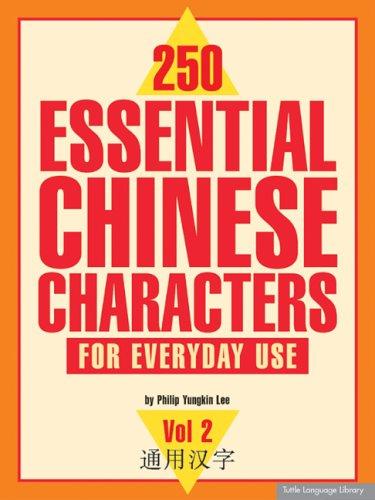

A Chinese Text for a Changing China
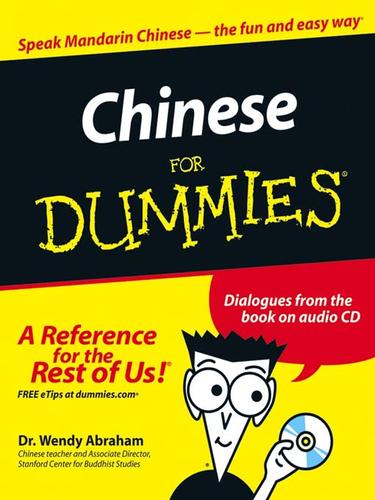
Chinese for Dummies
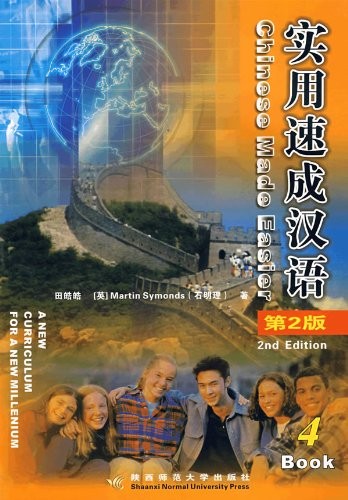
Chinese Made Easier
Chinese Writing and Calligraphy
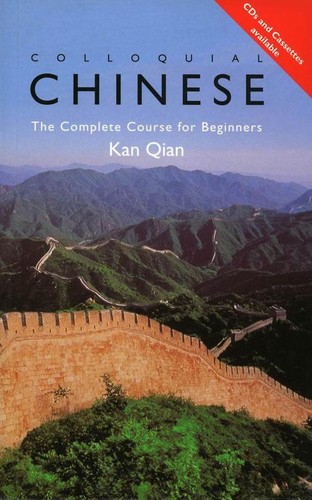
Colloquial Chinese
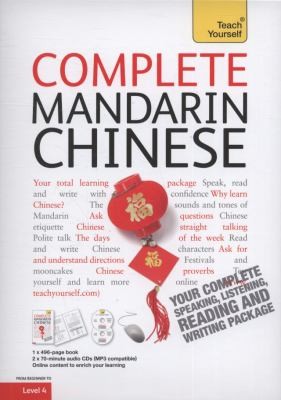
Complete Mandarin Chinese
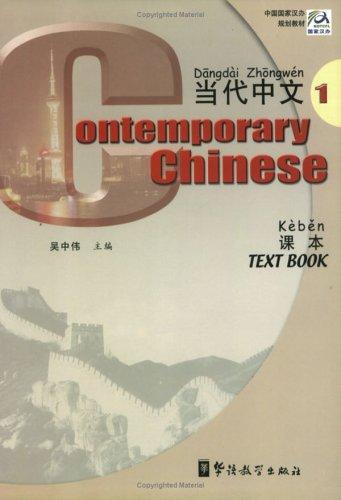
Contemporary Chinese (当代中文)
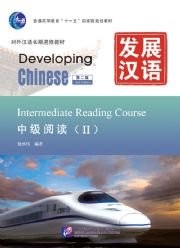
Developing Chinese
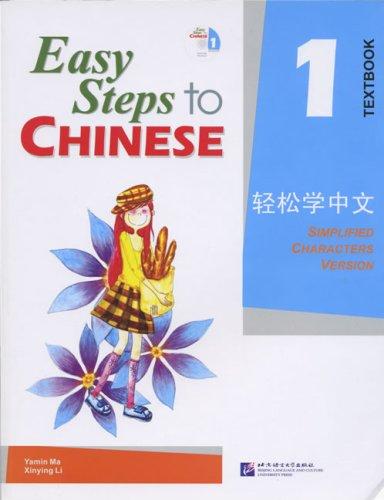
Easy Steps to Chinese 1
Frequently asked questions
Quick answers about WeChat Chinese — who it's for, what it expects of you, and how to get the most out of it.
Almost — it assumes HSK 1–2 footing. If you can recognize the pinyin and a handful of greetings, you're ready. Complete beginners should do Survival Chinese first; the texting register lands faster once you can already say hello.