
Podcast


Podcast: Chinese Education: From Imperial Academies to Cram Schools
Listen to Jason & Amy discuss Chinese Education: From Imperial Academies to Cram Schools
New here?
The Imperial Examination System: Meritocracy and Its Limits
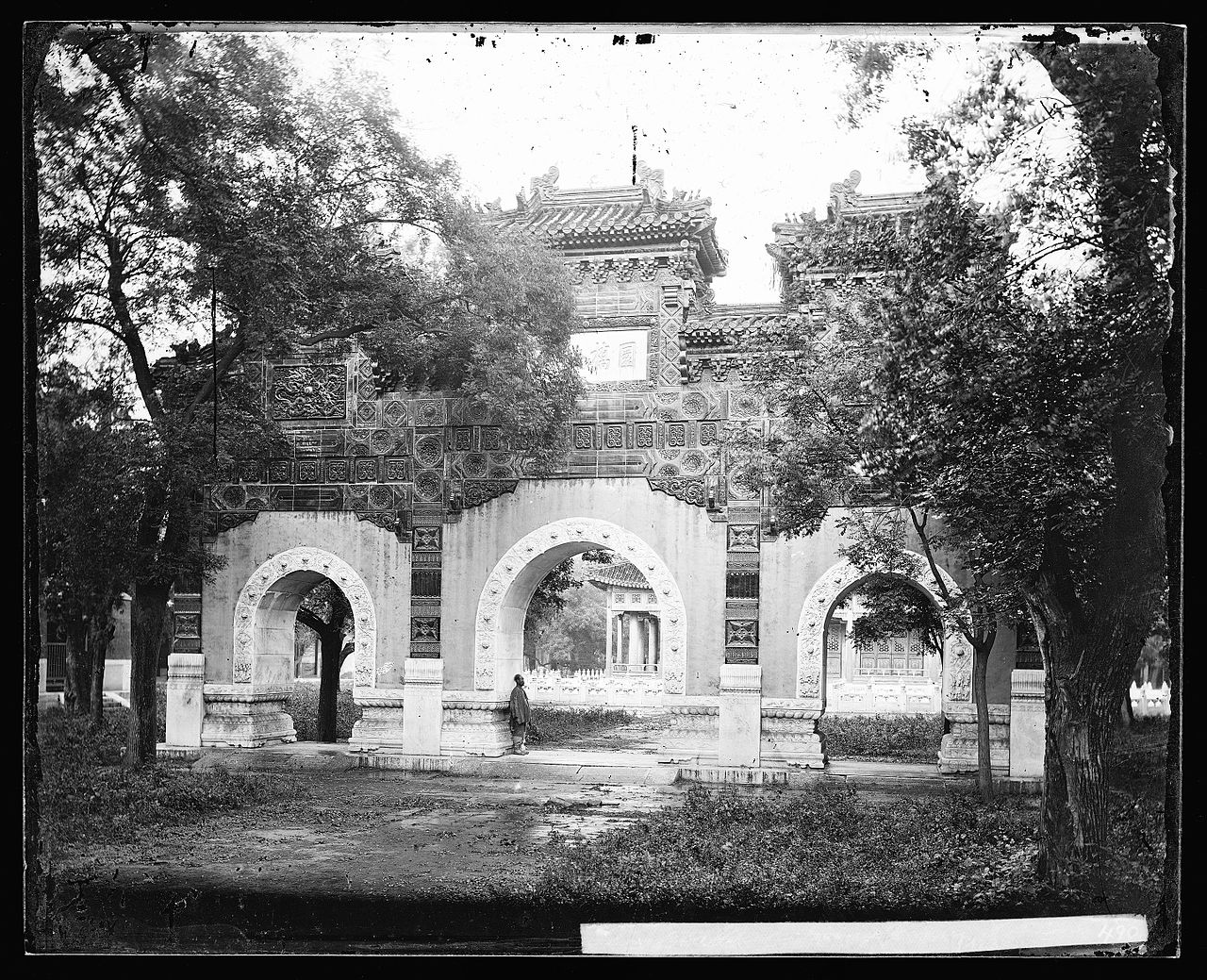
The imperial examination system (科举, kējǔ), which in its mature form operated from the Sui dynasty (605 CE) through the final Qing dynasty examinations in 1905, stands as one of China's most influential contributions to world civilization — the idea that government officials should be selected through competitive examination rather than aristocratic birth, military prowess, or personal connections. At its philosophical core, the system embodied the Confucian principle that virtue and ability, cultivated through study, should be the basis of political authority. The examinations tested mastery of the Confucian classics, literary composition in highly prescribed formats — particularly the eight-legged essay (八股文, bāgǔwén) — and the ability to apply classical principles to contemporary governance questions. Success in the examinations conferred not only official appointment but extraordinary social prestige: the highest degree holders, the jinshi (进士), were celebrated in their home communities with triumphal arches, feasts, and inscriptions in local temples, and their families enjoyed elevated status for generations (Elman, 2000, pp. 34-78).
The examination system's meritocratic ideals were genuine but imperfectly realized. While the system was theoretically open to all male subjects regardless of social origin — a remarkable principle for a pre-modern society — the years of intensive study required to master the classical corpus effectively limited competitive participation to families with sufficient wealth to forgo their sons' labor and to hire tutors or enroll them in academies. Statistical analyses of examination records by Ho Ping-ti and subsequent scholars have shown that while the system did facilitate significant social mobility — roughly 30 to 40 percent of jinshi degree holders in the Ming and Qing dynasties came from families with no examination success in the preceding three generations — it also reproduced existing social hierarchies, with wealthy gentry families disproportionately represented among degree holders (Elman, 2000, pp. 112-156). Women were categorically excluded, and ethnic minorities in frontier regions faced linguistic and cultural barriers that made competitive participation extremely difficult. Nevertheless, the system's influence on Chinese culture was profound: it established the conviction that education was the most honorable path to social advancement, a belief that persists with extraordinary tenacity in Chinese society today.
The daily reality of examination preparation consumed years of candidates' lives in a regime of study that makes modern cram school culture appear leisurely by comparison. Students began memorizing the Confucian classics in childhood, often at private academies (书院, shūyuàn) that served as both schools and intellectual communities. The examination itself was a grueling ordeal: candidates were confined in individual examination cells — tiny cubicles approximately one meter wide — for sessions lasting up to three days, during which they composed essays on assigned topics, ate and slept in the same cramped space, and contended with heat, cold, insects, and the psychological pressure of knowing that their entire future depended on their performance (Woronov, 2016, pp. 23-56). Stories of candidates who went mad during examinations, who died in their cells, or who spent decades attempting the examinations without success populate the literary tradition, most notably in the satirical novel The Scholars (儒林外史) by Wu Jingzi, which exposed the system's capacity to deform the lives and intellects of those who devoted themselves to it. The abolition of the examination system in 1905 removed the institutional structure but not the cultural DNA it had implanted: the faith in examinations as fair arbiters of merit, the willingness to sacrifice years of youth in preparation, and the identification of educational success with moral worth all survived the system's demise and re-emerged in new forms.
"All occupations are lowly; only studying is exalted."
Wang Zhu, "Words for Encouraging Study" (Song dynasty)Building Modern Education: From Reform to Revolution
The abolition of the imperial examination system in 1905 and the fall of the Qing dynasty in 1912 initiated a period of radical educational experimentation as Chinese intellectuals and reformers sought to create a modern school system capable of producing citizens for a modern nation-state. The late Qing "New Policies" education reforms had already begun establishing Western-style schools with curricula that included science, mathematics, foreign languages, and physical education alongside modified classical studies. The Republican era (1912-1949) saw the proliferation of modern universities — Peking University, Tsinghua University, Nankai University, and others that remain China's elite institutions today — as well as ambitious literacy campaigns and the development of vernacular Chinese (白话文, báihuàwén) as the medium of instruction, replacing the classical literary Chinese that had been the language of scholarship for millennia (Pepper, 1996, pp. 45-89). This period also witnessed intense debates about the purpose of education — whether it should prioritize national strengthening through science and technology, cultural renewal through the humanities, or social transformation through political consciousness — debates that would recur in different forms throughout the twentieth century.
The founding of the People's Republic in 1949 brought education under comprehensive state control and reoriented it toward the goals of socialist construction. The early PRC education system was modeled heavily on the Soviet Union's, with a strong emphasis on science, engineering, and vocational training to serve the needs of industrialization. Political education became a mandatory component of the curriculum at all levels, and access to education was dramatically expanded: the literacy rate, estimated at approximately 20 percent in 1949, rose to over 65 percent by 1964 through massive campaigns that reached hundreds of millions of adults (Pepper, 1996, pp. 134-178). However, the relationship between expertise and political correctness — "red versus expert" in the terminology of the era — generated recurrent tensions. During the Anti-Rightist Campaign of 1957, intellectuals who had criticized government educational policies were persecuted, and during the Cultural Revolution (1966-1976), the educational system was effectively destroyed: universities were closed, professors were sent to labor camps, and an entire generation of young people — the "sent-down youth" (知青, zhīqīng) — was dispatched to the countryside for "re-education" through manual labor.
The restoration of the national university entrance examination (高考, gāokǎo) in 1977, personally directed by Deng Xiaoping, marked one of the most symbolically significant moments in the reform era. For the generation that had lost a decade of educational opportunity during the Cultural Revolution, the gaokao's return represented the restoration of hope, fairness, and rationality after years of political chaos. The 1977 examination attracted 5.7 million candidates competing for 270,000 university places — an acceptance rate of less than 5 percent — and the emotional intensity of that first restored examination has become legendary in Chinese cultural memory (Woronov, 2016, pp. 78-112). Many of the individuals who succeeded in the 1977 and 1978 examinations went on to become China's political, intellectual, and business elite of the reform era, reinforcing the cultural narrative that examination success is the gateway to a transformed life. The gaokao has since expanded enormously — over 12 million students took the examination in 2023 — but its role as the single most important determinant of a young Chinese person's life trajectory remains essentially unchanged, making it one of the highest-stakes examinations in the world.
The Gaokao: Inside China's Pressure Cooker
The gaokao (高考, gāokǎo), China's national college entrance examination held annually over two or three days in early June, determines access to higher education and, by extension, shapes the career prospects, marriage market value, and social status of approximately 12 million test-takers each year. The examination's importance in Chinese society is difficult to overstate: it is frequently described as the most important event in a young person's life, and the period surrounding it is treated with a solemnity approaching that of a national emergency. Police escort examination papers between secure facilities, traffic is diverted from streets near testing centers to ensure quiet, and construction sites within earshot of examination halls are ordered to cease operations. Parents camp outside testing centers for the duration of the exam, and the collective anxiety of millions of families generates a palpable national mood that is reflected in wall-to-wall media coverage, special gaokao-themed products and services, and a temporary suspension of normal social expectations (Woronov, 2016, pp. 134-167).
The pressure of gaokao preparation has spawned an enormous ecosystem of supplementary education that has transformed the experience of Chinese childhood. The final year of high school — known colloquially as "hell year" (地狱般的一年) — typically involves fourteen-to-sixteen-hour study days, six or seven days per week, with students arriving at school before 7 AM and leaving after 10 PM. Weekends and holidays are consumed by additional tutoring sessions, practice examinations, and review classes. The physical and psychological toll of this regime is well-documented: surveys consistently report elevated rates of anxiety, depression, insomnia, and suicidal ideation among gaokao-year students, and the competitive pressure extends backward through the educational pipeline to affect middle school and even primary school students as families pursue advantages at increasingly early ages (Kipnis, 2011, pp. 89-124). The phenomenon of "tiger parenting" (虎妈, hǔmā) — intensive, demanding parental involvement in children's academic preparation — is driven by the rational calculation that in a system where a few points on a single examination can determine access to elite versus ordinary universities, every marginal advantage matters.
The gaokao system has been subject to sustained criticism from Chinese educators, parents, and students who argue that it prioritizes rote memorization over creativity, produces enormous psychological suffering, and measures a narrow range of academic abilities while ignoring other forms of intelligence and talent. Defenders counter that the gaokao, for all its flaws, provides a relatively transparent and meritocratic pathway to social advancement in a society where connections (关系, guānxì) and corruption might otherwise dominate admissions decisions, and that alternative systems such as holistic admissions processes are vulnerable to manipulation by wealthy and well-connected families (Pepper, 1996, pp. 267-298). Reform efforts have been cautious and incremental: some provinces have experimented with allowing students to take certain subjects multiple times and use their best score, and a few elite universities have introduced supplementary admissions pathways including self-recruitment examinations and special consideration for students with exceptional talents in specific areas. However, the fundamental architecture of the gaokao — a single, high-stakes, standardized examination that determines access to higher education — remains intact, reflecting both institutional inertia and a deep cultural conviction that examination-based selection, however imperfect, is the fairest system available.
"Ten years of cold-window study noticed by none; once famous, known to all under heaven."
Traditional proverb on examination successDiscuss with Jason
Want to talk this article through?
Jason discusses the article with you, quizzes you on it and teaches you words from it.
Sign in free to ask. New accounts start with 300 AI credits.
Shadow Education: The Tutoring Industry and Its Discontents
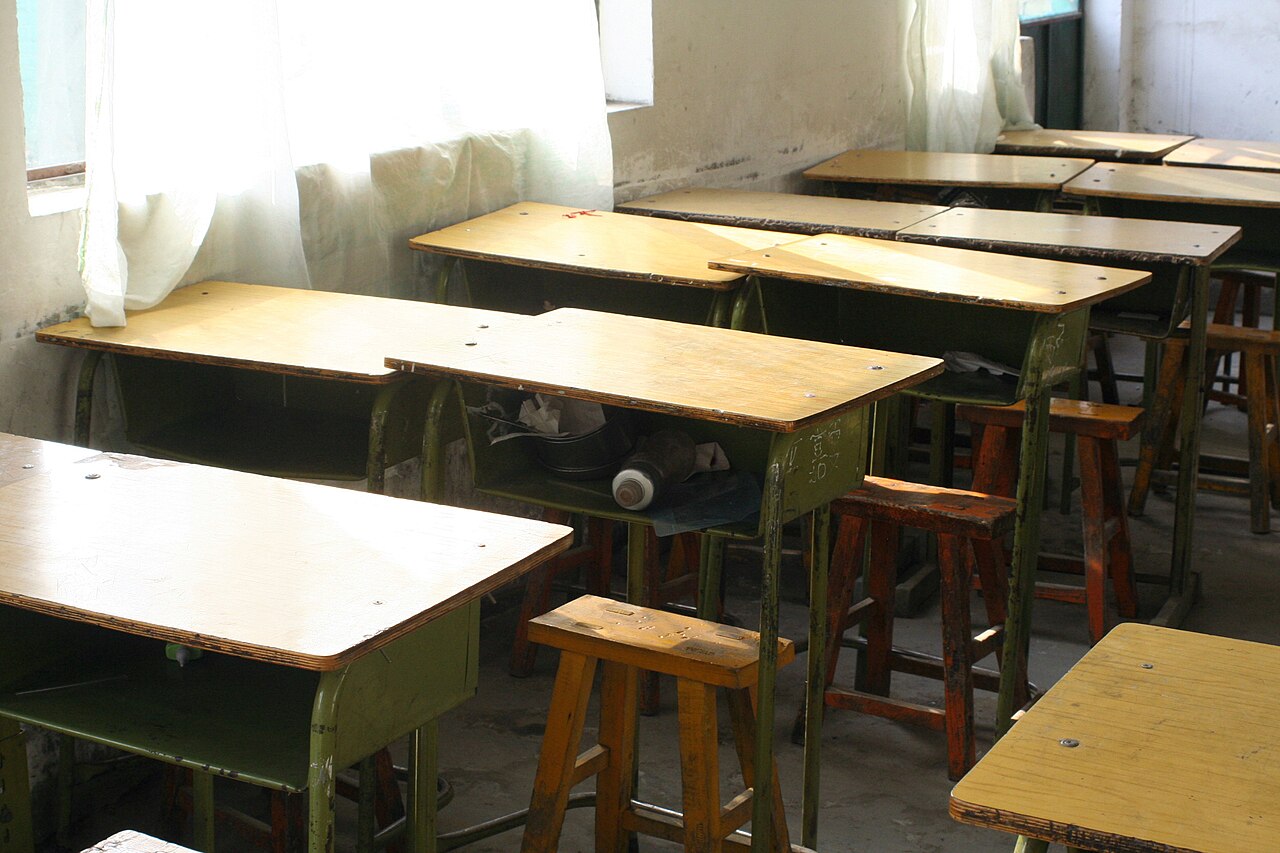
The explosive growth of China's private tutoring industry — the "shadow education" system that operates alongside and in many ways overshadows the formal school system — represents one of the most consequential educational developments of the twenty-first century. By 2020, the after-school tutoring market in China was estimated to be worth over $120 billion annually, employing millions of teachers and serving hundreds of millions of students from preschool through high school. Companies like New Oriental Education, TAL Education Group, and Zuoyebang built enormous businesses by offering supplementary instruction in examination-tested subjects, leveraging both in-person classes and online platforms to reach students across the country. The industry's growth was driven by the intense competition for university places and the widespread parental belief that without supplementary tutoring, their children would fall behind peers whose families were investing in extra instruction — a classic collective action problem in which each family's rational individual decision to invest in tutoring escalated the arms race for everyone (Kipnis, 2011, pp. 145-178).
The social consequences of the tutoring boom were troubling and multidimensional. Most fundamentally, the cost of private tutoring — which could easily exceed 100,000 yuan per year per child for families pursuing comprehensive supplementary education in a first-tier city — exacerbated educational inequality by creating a system in which academic outcomes were increasingly correlated with family wealth rather than individual ability. Rural and low-income families, who could not afford private tutoring, found their children competing against peers who had access to the best teachers, the most sophisticated test preparation materials, and personalized coaching that public schools could not provide. The tutoring industry also contributed to the intensification of academic pressure on children, extending the school day by several additional hours and consuming weekends and holidays that might otherwise have been devoted to play, rest, physical activity, or the development of non-academic interests and social skills (Woronov, 2016, pp. 189-224). The physical and mental health consequences of this regimen — childhood obesity due to sedentary study habits, myopia rates exceeding 80 percent among urban high school students, and rising rates of adolescent depression and anxiety — became a matter of serious public concern.
The Chinese government's dramatic intervention in July 2021 — the "double reduction" policy (双减, shuāngjiǎn) that banned for-profit tutoring in core school subjects for students from first through ninth grade — represented one of the most sweeping regulatory actions in the history of the global education sector. Overnight, tutoring companies that had been valued at billions of dollars saw their share prices collapse, hundreds of thousands of tutoring teachers lost their jobs, and the industry was forced to restructure fundamentally. The policy was motivated by multiple concerns: reducing the financial burden on families, alleviating pressure on children, addressing educational inequality, and — significantly — increasing the birth rate by removing one of the most commonly cited deterrents to having children (Pepper, 1996, pp. 334-367). The policy's long-term effectiveness remains uncertain, however, as underground tutoring markets quickly emerged, with teachers offering private instruction in apartments and online under various euphemisms. Wealthy families found ways to circumvent the restrictions through private tutors, overseas programs, and tutoring disguised as "enrichment activities," raising the possibility that the double reduction policy may have reduced overall tutoring while simultaneously making access to high-quality supplementary education even more dependent on family wealth and social connections than before.
Higher Education Expansion and the Graduate Employment Crisis
China's higher education system has undergone a transformation of breathtaking scale since 1999, when the government initiated a policy of rapid university enrollment expansion to boost human capital development, delay youth entry into a tight labor market, and stimulate domestic consumption through educational spending. Annual university admissions roughly quintupled between 1998 and 2020, from approximately 1.08 million to over 9 million, producing a massive increase in the proportion of young Chinese with college degrees. This expansion created new universities, upgraded technical colleges to university status, and expanded enrollment at existing institutions, sometimes doubling or tripling class sizes within a few years. The result was that by 2023, China was producing over 11 million university graduates per year — more than any other country in the world and a number that raised serious questions about whether the economy could absorb this flood of educated young workers (Kipnis, 2011, pp. 212-245).
The graduate employment crisis that has accompanied this expansion has become one of China's most politically sensitive social issues. Youth unemployment rates among 16-to-24-year-olds reached a record 21.3 percent in June 2023 before the government temporarily suspended publication of the statistic — a move that was widely interpreted as an acknowledgment of the problem's severity. The structural mismatch between graduate expectations and available employment is multifaceted: universities expanded enrollment in fields where teaching capacity was cheapest to add (management, literature, law) rather than where labor market demand was strongest; graduates from less prestigious institutions found their degrees devalued by the sheer number of degree holders competing for positions; and the cultural prestige associated with white-collar office work made many graduates reluctant to accept blue-collar or service-sector positions that remained unfilled (Woronov, 2016, pp. 245-278). The phenomenon of "educated unemployment" — young people with university degrees who cannot find work matching their qualifications and expectations — has generated a vocabulary of ironic self-description among Chinese youth, including "lying flat" (躺平, tǎngpíng) and "letting it rot" (摆烂, bǎilàn), expressions of disillusionment with the promise that educational achievement would guarantee economic security and social mobility.
The international dimension of Chinese higher education has grown enormously, with significant implications for both China and the countries that host Chinese students. By 2019, approximately 700,000 Chinese students were studying abroad, with the United States, United Kingdom, Australia, and Canada as the most popular destinations. These students, disproportionately from wealthy urban families, gain exposure to different educational philosophies, political systems, and cultural norms, creating a cosmopolitan elite whose worldview may differ significantly from that of their domestically educated peers. The returning "sea turtles" (海归, hǎiguī) — a pun on the Chinese word for sea turtle, which sounds like "returning from overseas" — were once virtually guaranteed premium employment upon return, but the growing number of returnees has diluted this advantage, and many find that their foreign degrees are no longer the automatic ticket to elite employment that they once were (Kipnis, 2011, pp. 278-312). Simultaneously, rising geopolitical tensions between China and Western countries have complicated the experience of Chinese students abroad and prompted government encouragement of domestic alternatives, including massive investment in building "world-class" Chinese universities that can compete with Harvard, Oxford, and Stanford for the best students and faculty.
"Cannot let children lose at the starting line."
Popular parenting maxim in contemporary ChinaEducational Reform and the Future of Chinese Learning
The tension between China's extraordinary educational achievements — near-universal literacy, world-leading performance on international assessments like PISA, massive expansion of higher education access — and the widely acknowledged pathologies of its educational system defines the reform challenge facing Chinese policymakers and educators. The system produces students who excel at standardized testing but are often criticized for lacking creativity, independent thinking, and the capacity for innovation that China's economic transition from manufacturing to technology-driven growth demands. This criticism, voiced by Chinese leaders including former premier Wen Jiabao and current leader Xi Jinping, echoes a century-old debate about whether Chinese education over-emphasizes memorization and obedience at the expense of original thought and critical inquiry (Kipnis, 2011, pp. 312-345). The irony is that the examination-based selection system that is blamed for stifling creativity is also widely regarded as the fairest mechanism available for allocating educational opportunities in a large and unequal society, creating a reform dilemma that has no easy resolution.
Recent reform initiatives have attempted to address these tensions through multiple channels. The "new curriculum reform" has introduced more emphasis on inquiry-based learning, project work, and the development of "core competencies" including critical thinking, communication, and collaboration — concepts borrowed from international educational frameworks and adapted to the Chinese context. Some schools, particularly in progressive cities like Shanghai and Shenzhen, have experimented with student-centered pedagogies, interdisciplinary curricula, and assessment methods that go beyond traditional examinations. The integration of technology into education — accelerated dramatically by the COVID-19 pandemic — has created new possibilities for personalized learning, with artificial intelligence-powered tutoring systems that can adapt to individual students' strengths and weaknesses receiving enormous investment from both the private sector and the government (Woronov, 2016, pp. 312-345). However, these innovations exist in tension with the gaokao, which continues to drive the behavior of students, parents, and teachers regardless of what curriculum reform documents prescribe. As long as a single examination determines university access, the incentive structure of the education system will continue to prioritize test preparation over the broader educational goals that reformers espouse.
The deeper cultural transformation that educational reform requires is perhaps the most challenging dimension of all. Chinese educational culture is embedded in a web of social values — filial piety, face, collective orientation, respect for authority — that shape how learning is understood and practiced in ways that cannot be altered by policy directives alone. The Confucian emphasis on self-cultivation through diligent study, the belief that effort matters more than innate talent, and the conviction that educational success reflects moral worthiness are powerful cultural resources that have fueled China's educational achievements, but they also contribute to the intense pressure and narrow definition of success that reformers seek to change (Pepper, 1996, pp. 389-423). The question of what a reformed Chinese education system might look like — one that preserves the rigor, discipline, and respect for learning that are genuine strengths while creating more space for creativity, wellbeing, and diverse pathways to fulfillment — is being actively debated by Chinese educators, parents, and students. The outcome of this debate will shape not only the educational experience of future generations of Chinese students but also the capacity of Chinese society to generate the innovation and adaptability that its continued development requires.
Quiz
What was the primary purpose of the imperial examination system in China?
What was a key limitation of the imperial examination system?
What significant change occurred in Chinese education after the fall of the Qing dynasty?
What marked the restoration of hope after the Cultural Revolution in China?
Why is the gaokao considered a high-stakes examination?
What was a consequence of the rapid expansion of China's higher education system?
What was the impact of the 'double reduction' policy on China's tutoring industry?
What is a criticism of the gaokao system mentioned in the article?
Write your thoughts, then get feedback from Jason — you can turn any answer into a full discussion.
9. How do you think the historical emphasis on examinations in Chinese education influences modern Chinese society?
10. In what ways might the current Chinese education system need to change to foster more creativity among students?
Frequently Asked Questions
Common questions about Chinese Education: From Imperial Academies to Cram Schools
How did China's education system develop historically?
China's education system evolved from private tutoring and Confucian academies in ancient times through the imperial examination system (科举) that lasted from 605 CE to 1905, then through radical restructuring under the Republic and Communist eras. This long history created a unique cultural reverence for scholarly achievement that remains a defining feature of Chinese society today.
What is the difference between Chinese and Western education?
Chinese education traditionally emphasizes mastery through repetition, respect for teacher authority, and standardized testing, while Western systems tend to prioritize critical thinking, creativity, and individual expression. However, recent reforms in China have attempted to incorporate more creative and inquiry-based learning, while Western educators have studied Chinese methods for their effectiveness in mathematics and science instruction.
What are cram schools in China?
Cram schools (补习班, bǔxí bān) are after-school tutoring centers where Chinese students receive intensive supplementary instruction, particularly in preparation for the gaokao college entrance exam. The industry grew into a multi-billion-dollar sector before China's 2021 "double reduction" policy banned for-profit tutoring in core school subjects, though enforcement has been uneven and underground tutoring persists.
What was China's double reduction policy?
The "double reduction" (双减) policy, announced in July 2021, aimed to reduce both excessive homework and the burden of off-campus tutoring for primary and middle school students. It effectively banned for-profit tutoring companies in core academic subjects, wiping out a $100 billion industry overnight and reflecting government concern about educational inequality, declining birth rates, and the mental health toll on students.
Why is education so valued in Chinese culture?
Education's exalted status in Chinese culture stems from over two millennia of Confucian philosophy that views learning as the path to moral cultivation and social advancement. The imperial examination system proved that scholarly merit could elevate even humble families to positions of power, embedding the belief that education is the most reliable vehicle for upward mobility deeply into Chinese cultural DNA.