Recommended Books
for all HSK Levels
The textbooks, graded readers and HSK-prep titles that match each band — from your first 150 words to the 7–9 range.
 Mandarin TempleCome for Knowledge. Stay for Wisdom.
Curated Reading List
A curated collection of the best books for learning Mandarin Chinese — from first tones to business negotiations. Each book is hand-picked and paired with resources in our app to accelerate your learning journey.
The textbooks, graded readers and HSK-prep titles that match each band — from your first 150 words to the 7–9 range.
Pair a module with the books that go deepest on it — business, travel, media, academic writing and the rest.
As an Amazon Associate, Mandarin Temple earns from qualifying purchases. Some book links are affiliate links — buying through them supports the site at no extra cost to you.
Structured textbooks for systematic learning from beginner to advanced.
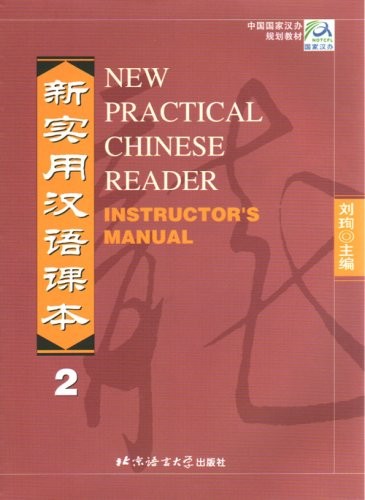
The most widely used Mandarin textbook series worldwide. Developed by Beijing Language and Culture University, it covers all four skills — listening, speaking, reading, and writing — across six volumes from beginner to upper-intermediate.
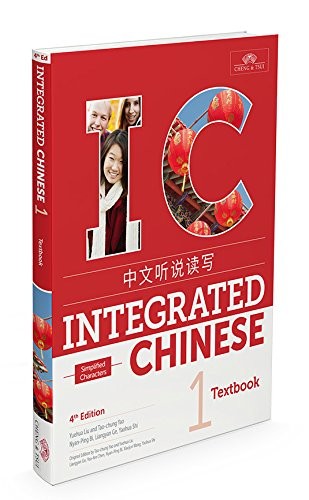
A top choice for university Chinese programs in the US. Known for its clear grammar explanations, situational dialogues, and well-structured progression. The 4th edition includes updated cultural content and digital resources.
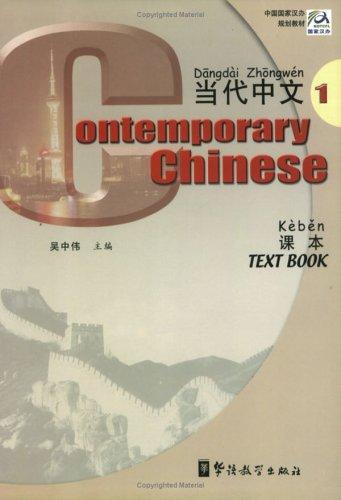
Developed by Sinolingua, this series focuses on modern everyday Chinese with a communicative approach. Excellent balance of formal instruction and practical conversation skills.
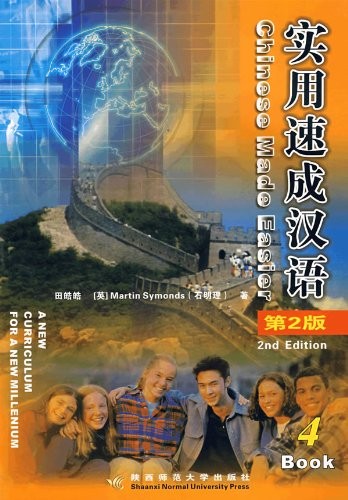
A self-study friendly textbook that breaks down Chinese into manageable pieces. Great for independent learners who want a gentler learning curve with plenty of exercises.
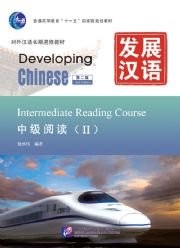
A comprehensive series that separates listening, speaking, reading, and writing into dedicated volumes. Used in many Chinese universities for foreign students, offering deep practice in each skill area.
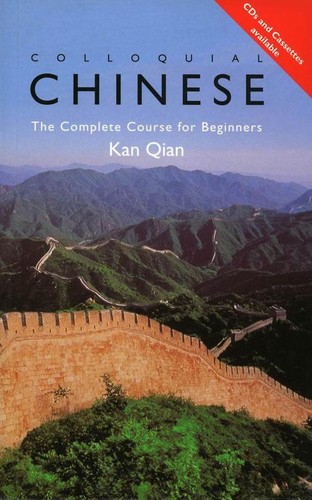
A complete beginner's course from Routledge, built around everyday dialogues with plenty of audio and step-by-step grammar. Friendly and self-study-ready — a gentle on-ramp into real spoken Mandarin.
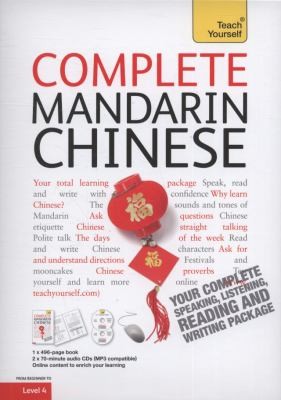
A friendly self-study course from the trusted Teach Yourself series that takes you from your very first words to confident everyday conversation. Clear explanations, audio dialogues, and practical exercises make it a welcoming starting point for new learners.
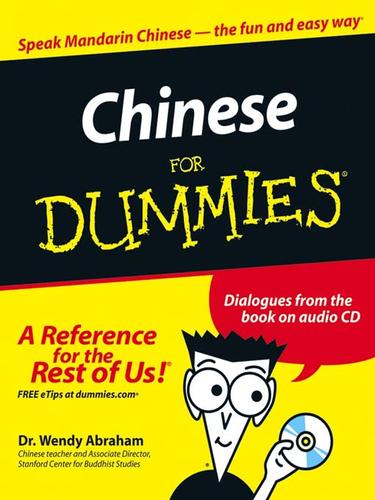
A relaxed, approachable introduction to Mandarin that breaks the language into bite-sized, easy-to-follow lessons. It focuses on practical phrases, pinyin, and culture so you can start speaking and understanding right away.
Yale’s video-led first-year course, built around a filmed drama shot in China rather than studio dialogues. You meet the language the way you meet it abroad — in situations, at speed — with the book unpacking what you just heard.
The second year of Yale’s filmed course. The storyline carries on, the speech gets faster and less scripted, and the reading load steps up — a natural bridge from surviving a conversation to following one.
A gentle, generously illustrated starter that introduces characters from day one instead of hiding behind pinyin. Widely used in international schools, and one of the kindest on-ramps for a learner working alone.
Built for the awkward middle — you can hold a conversation but not an argument. Task-based units push you to explain, compare and disagree in Chinese, which is exactly the jump most learners stall on.

Essay-length readings on Chinese society carrying the vocabulary and structures of written, discursive Chinese. A long-standing bridge into material written for native readers rather than for learners.
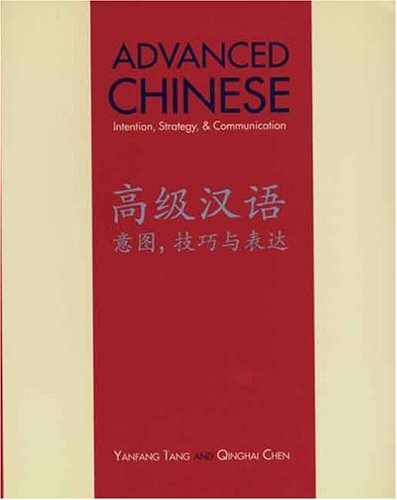
Teaches the part textbooks usually skip: how to say something with the right weight. Register, indirectness, persuasion and rhetorical strategy — the difference between correct Chinese and effective Chinese.
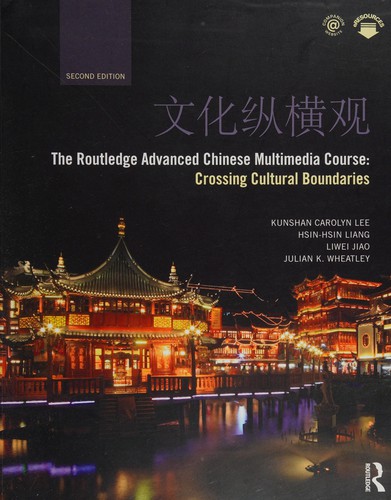
Four thematic units — popular culture, social change, tradition, history — worked through authentic video and text. Aimed squarely at cultural literacy, not just comprehension.
Books for the new HSK 3.0 nine-level standard this app teaches — the official course and grading standard, plus workbooks, grammar and character-writing manuals, and practice materials.
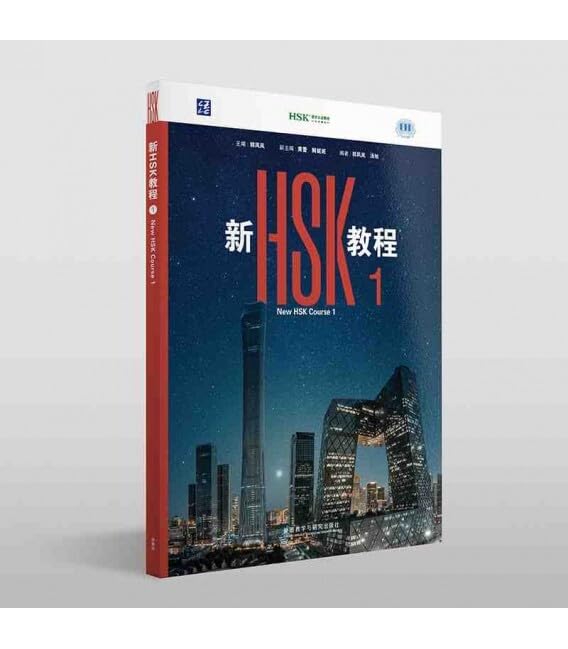
The official textbook for the new HSK 3.0, Level 1. Fifteen lessons cover the 300 required words and 40 grammar points through light situational dramas, blending learning with exam practice. The definitive course for the current standard — start here.
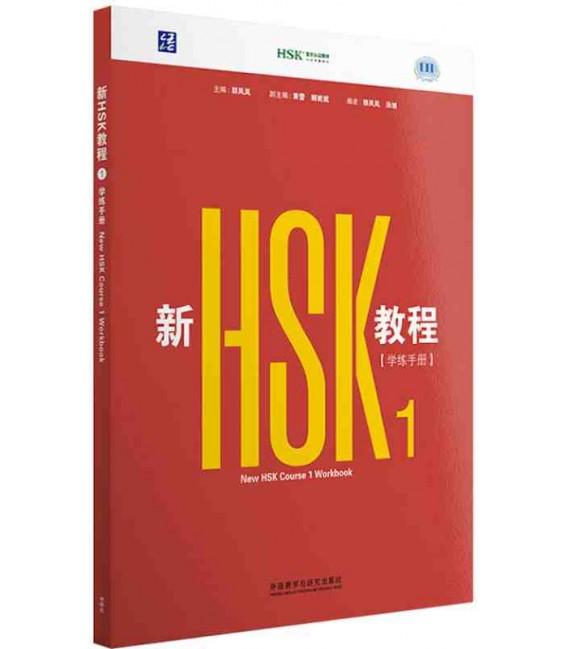
The companion workbook to New HSK Course 1, with exercises that mirror the real HSK 3.0 Level 1 exam. Reinforces each lesson’s vocabulary, grammar, and listening so the new standard sticks as you prepare.
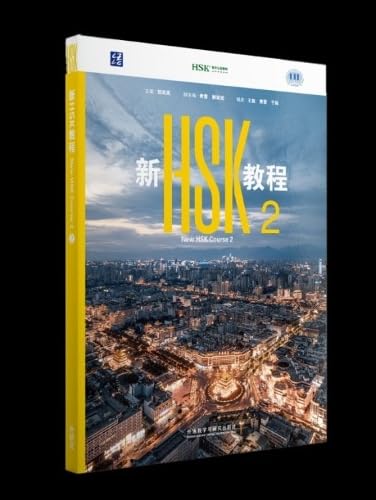
Level 2 of the official HSK 3.0 course, picking up where Level 1 leaves off with the next band of vocabulary and grammar. The same story-driven lessons carry you steadily toward the HSK 3.0 Level 2 exam.
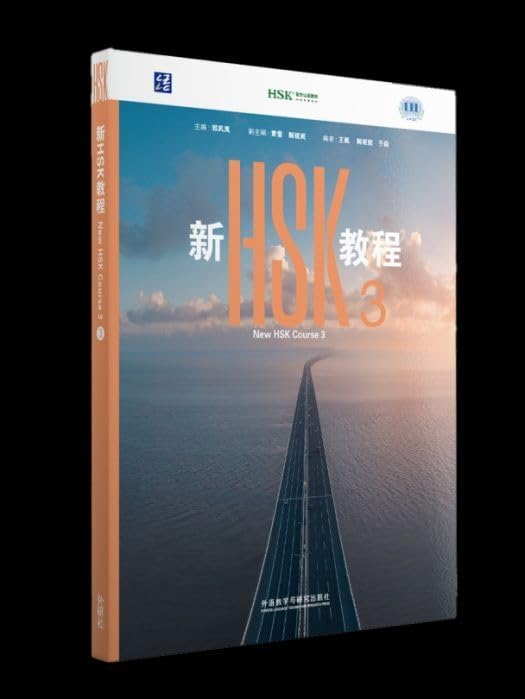
Level 3 of the official HSK 3.0 course, closing out the elementary band with longer texts and richer grammar. Its “dual-drive” structure keeps language learning and HSK 3.0 exam readiness moving together.
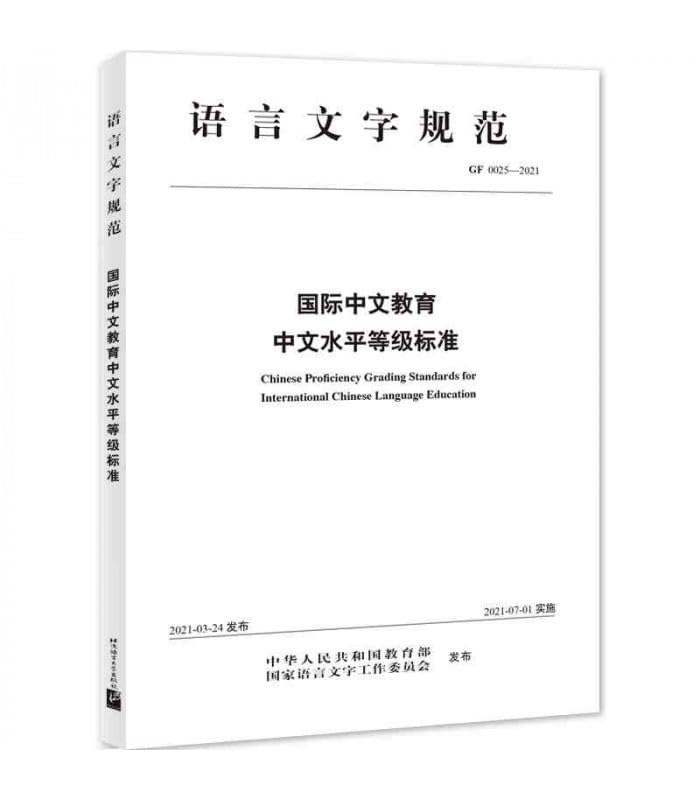
The authoritative HSK 3.0 standard — 国际中文教育中文水平等级标准 (Chinese–English edition). The official document that defines the nine levels, with the graded syllable, character, vocabulary, and grammar lists behind every HSK 3.0 syllabus.
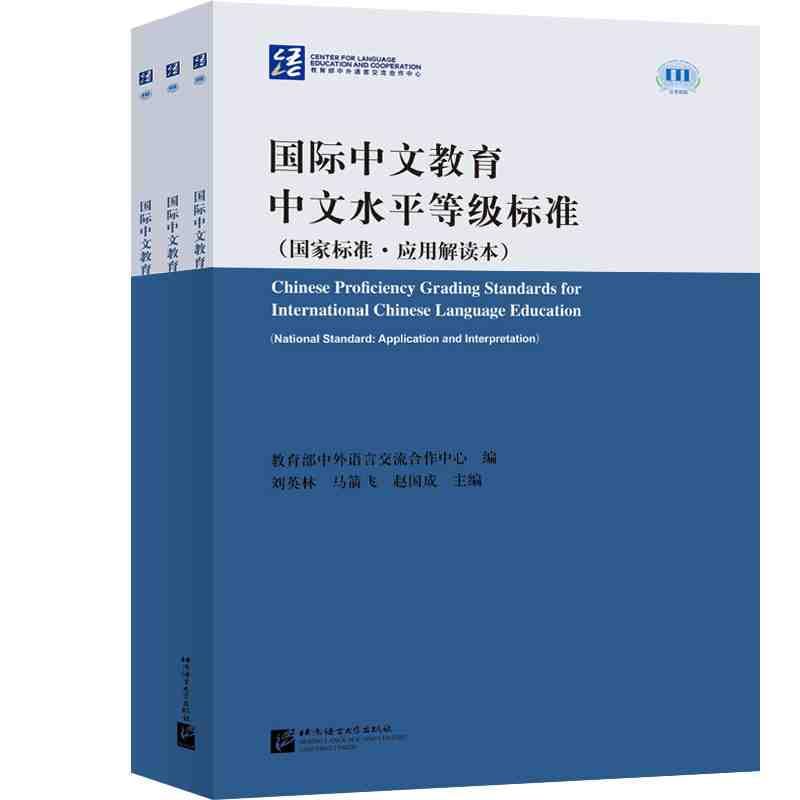
The companion guide to the HSK 3.0 standard, unpacking how the nine-level framework maps to teaching, testing, and self-study. A practical reference for planning your path through the new syllabus.
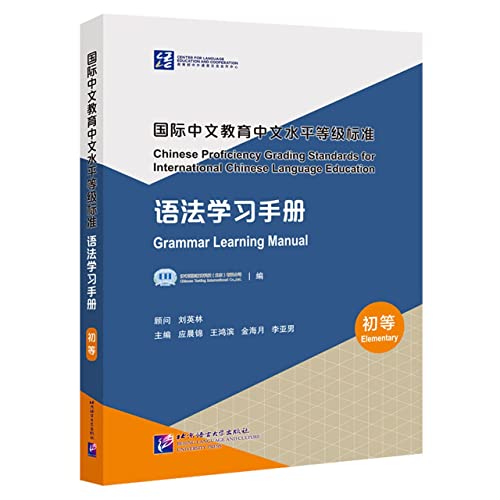
A grammar workbook built directly on the HSK 3.0 graded grammar syllabus — clear pattern explanations and graded exercises for the elementary band (levels 1–3). A focused way to drill the exact structures the new standard tests.
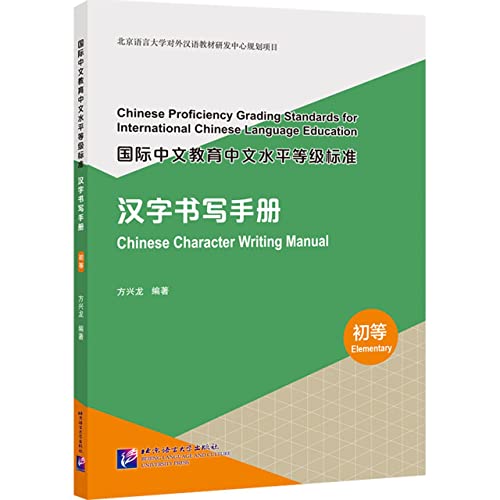
A handwriting workbook keyed to the HSK 3.0 graded character list for the elementary band. Stroke-by-stroke practice for the exact characters the new standard expects you to write by hand.
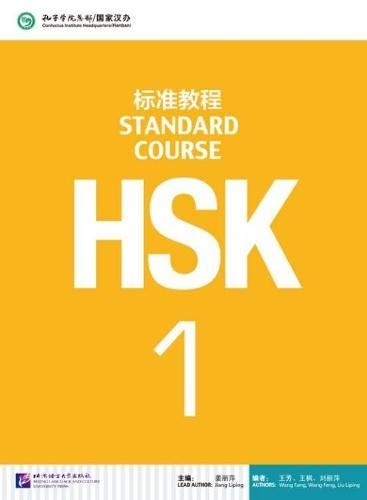
The Confucius Institute’s own HSK course, written directly against the exam syllabus. Level 1 covers the 150 words and the sentence patterns the paper actually tests, with audio throughout.

Level 2 of the official course, taking the working vocabulary to 300 words. The same exam-shaped drills as Level 1, which is why the series is the default in Confucius Institute classrooms.

Where the exam turns into a test of comprehension rather than recognition. Covers the 600-word level in the reading and listening formats the HSK 3 paper uses.
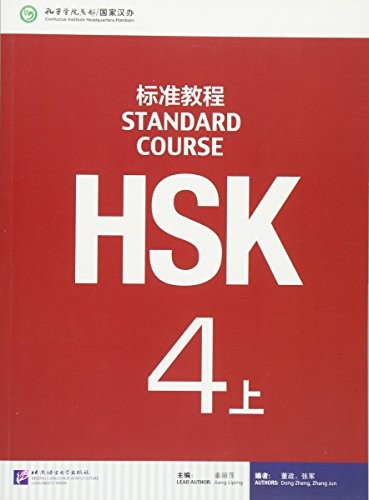
The first half of Level 4 — the band most learners are aiming at for study or work. Longer texts, faster audio, and the written section that trips up people who have only ever typed.
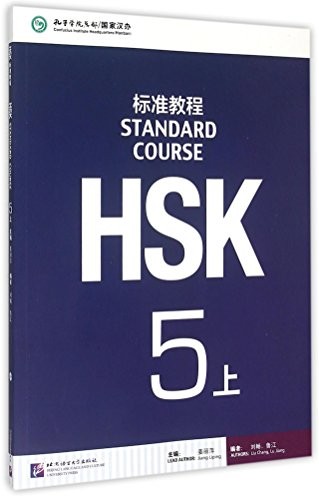
Level 5 is where the HSK starts using newspaper and essay registers. This volume drills that shift, with the 2,500-word band split across two books so the load stays manageable.
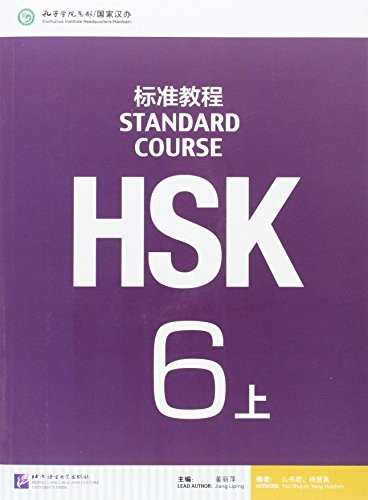
The top of the old six-level scale: 5,000 words, dense reading and the summary-writing task. The official preparation for the band most universities treat as full proficiency.

One of the few books written for the new 7–9 band: 148 advanced grammar points with over 200 example sentences and bilingual audio. Reference-shaped, and aimed at the structures the advanced paper assumes you already own.
Dedicated grammar references and workbooks to master Chinese sentence structure.
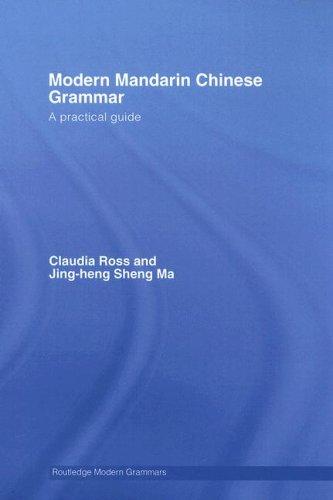
The definitive reference grammar for Mandarin. Covers every grammatical pattern with clear examples and a companion workbook. Essential for serious students who want to understand the "why" behind sentence structures.
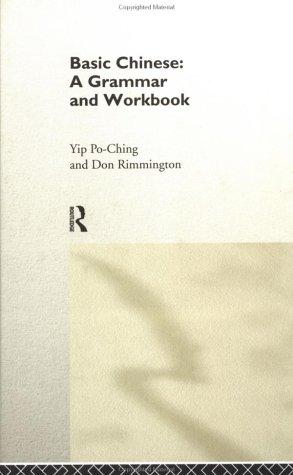
Twenty-five compact units that each pair a clear grammar explanation with practice exercises. The ideal first grammar for beginners who want to drill the fundamentals as they learn them.
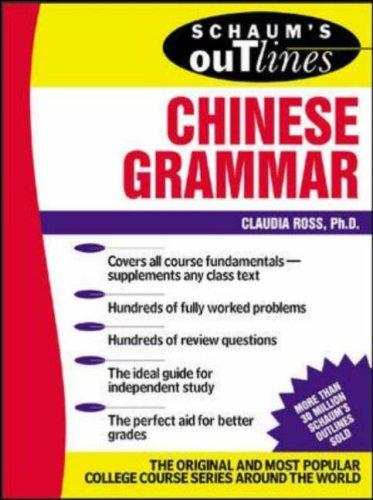
A concise, well-organized grammar reference with hundreds of practice exercises. Perfect for self-study and review, following the trusted Schaum's format of explanation followed by drill.
An in-depth grammar for intermediate to advanced learners. Covers nuanced topics like aspect markers, complement structures, and sentence-level pragmatics that simpler references skip.
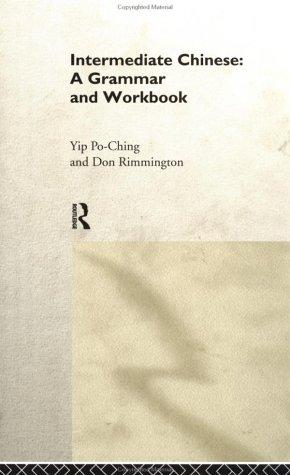
Picks up where the bestselling Basic Chinese leaves off, pairing clear explanations of trickier structures with plenty of graded exercises. A reliable bridge for learners ready to move beyond the fundamentals.
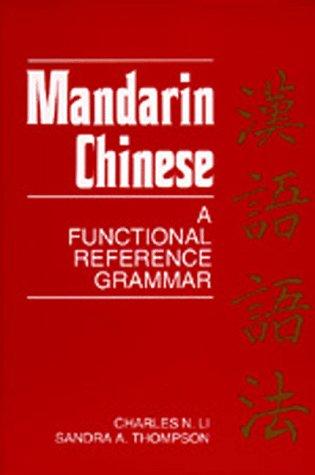
A landmark scholarly grammar that explains how Mandarin actually works in real communication rather than by rigid rules. Dense but illuminating, it rewards serious learners and teachers who want the deeper why behind the language.
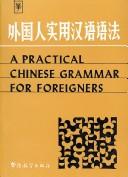
A widely used Beijing-published handbook that lays out Chinese grammar point by point with bilingual examples and exercises. Its systematic, classroom-tested approach makes it a steady companion from beginner through intermediate study.
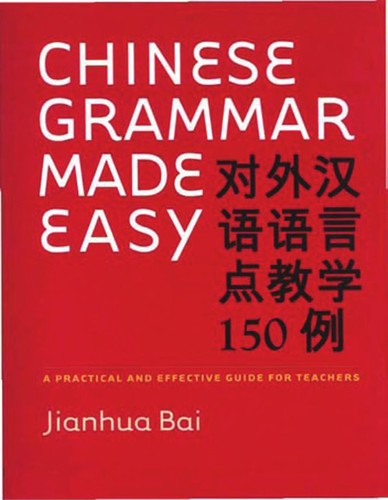
A friendly, learner-focused guide that organizes grammar around how you actually use it to express meaning. Clear patterns and practice activities make early structures feel approachable rather than intimidating.
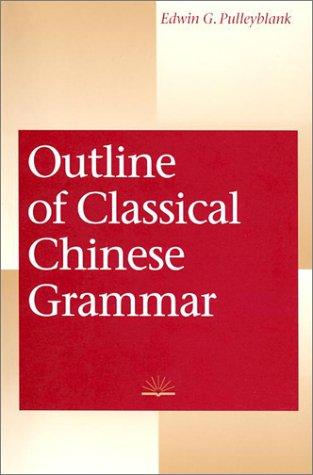
The standard concise grammar of literary Chinese. Once modern Chinese stops surprising you, this is what explains the compressed classical phrasing that still turns up in idioms, formal writing and headlines.
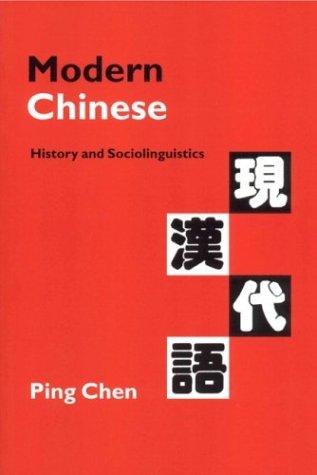
How the language you are learning came to exist — the standardisation of Mandarin, the character-simplification debates, pinyin, and the politics of dialect. Answers the "why is it like this?" questions no textbook takes on.
Books focused on learning, writing, and understanding Chinese characters and radicals.
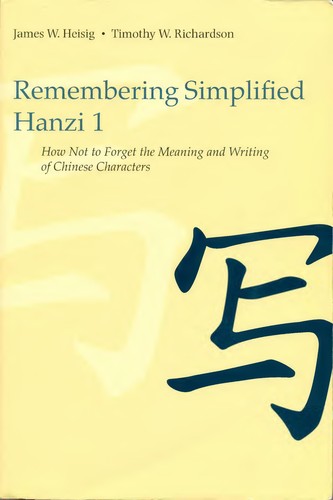
Uses imaginative stories and mnemonics to learn the meaning and writing of 3,000 characters. A creative, systematic approach that makes characters stick — transforms rote memorization into an engaging journey.
A beloved series of witty cartoons that unpack the origin and logic of each character, turning memorisation into delight. Each entry sketches how the picture became the word — genuinely fun and surprisingly effective.
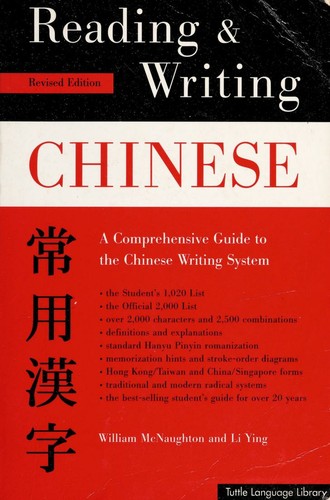
A classic reference covering 2,633 characters organized by radical. Includes traditional and simplified forms, stroke order, and common compounds. A desk companion for serious character study.
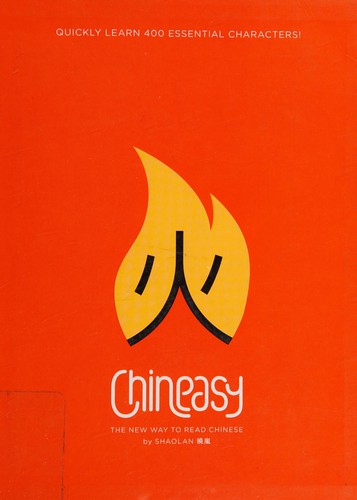
A beautifully illustrated book that uses visual associations to teach Chinese characters. The bold graphic design makes character learning feel like discovering art. Perfect for visual learners and absolute beginners.
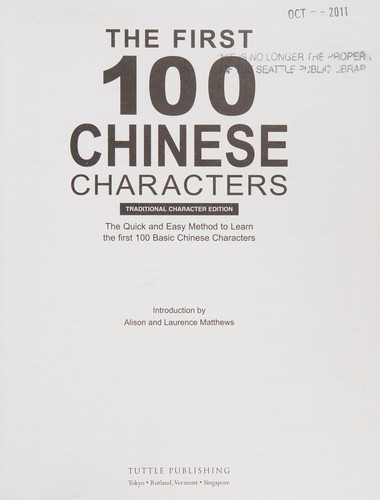
A friendly starter that teaches the 100 most common characters you'll meet first, each with stroke order, meaning, and example words. The clear grid layout and built-in practice squares make it easy to write your way to recognition.
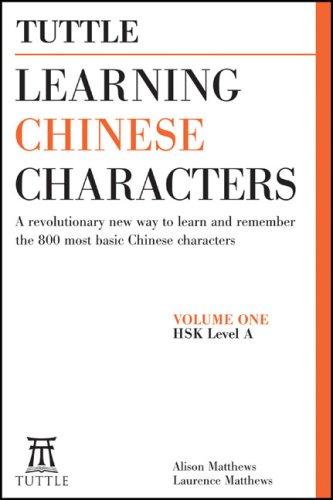
This Tuttle guide uses memorable stories and visual mnemonics to help the meaning and sound of each character stick. It covers HSK Level A characters with simplified and traditional forms side by side.
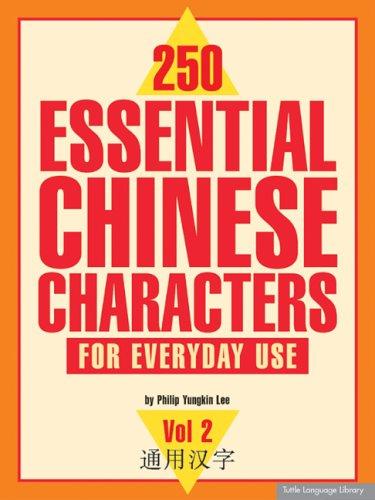
Builds practical literacy around 250 high-frequency characters you'll actually use in daily life, with compounds, sample sentences, and writing drills. Organized by theme, it's a steady bridge from beginner recognition to real reading and writing.
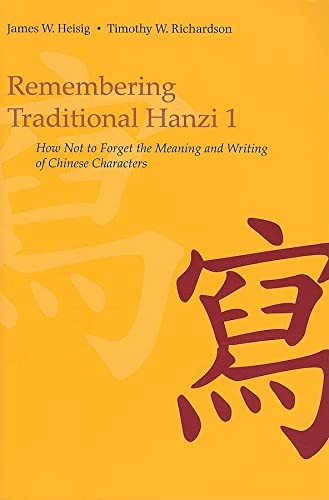
Applies Heisig's renowned imaginative-memory method to traditional characters, breaking each one into meaningful building blocks you can recall at will. Ideal for serious learners who want to lock in a large character set quickly and durably.
A practical introduction to the brush: script styles, stroke discipline, composition and the aesthetics behind them. Slows your relationship with characters down in a way that measurably improves handwriting.
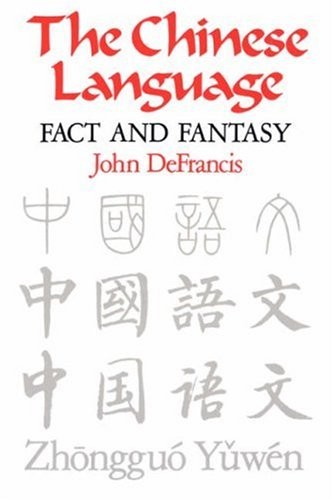
The book that dismantles the myths — that characters are ideographs, that Chinese is one language, that it cannot be written alphabetically. Bracing, occasionally combative, and it will change how you study.
Bilingual dictionaries pairing Chinese with English, Spanish, French, German, Japanese, Korean and more — plus the digital tools every serious learner keeps close.
A fascinating reference that maps characters by their shared components, revealing the family trees behind the script. Look one up and see all its relatives — a favourite for understanding how hanzi are actually built.

A comprehensive two-way English–Chinese / Chinese–English dictionary with over 670,000 words, phrases, and translations. The authoritative desk reference for advanced study and translation work.
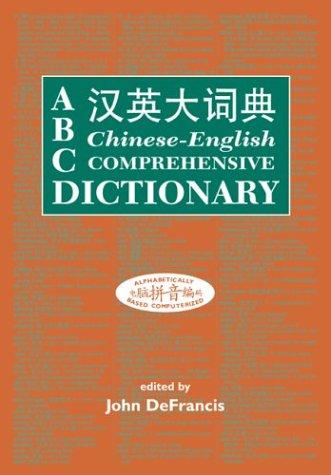
A landmark dictionary that orders every entry strictly alphabetically by pinyin — making it far faster to look up words you can say but not yet read. A long-time favourite of dedicated learners and scholars.
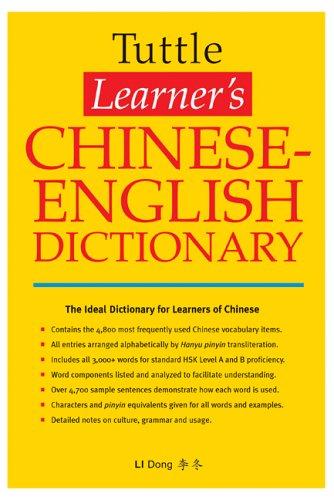
A compact, beginner-friendly dictionary built for learners — entries by radical and pinyin, with stroke counts, measure words, and example sentences. An ideal first paper dictionary.
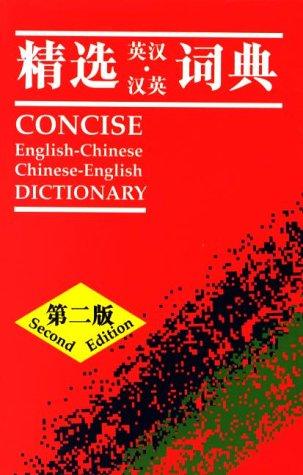
The hugely popular pocket two-way dictionary co-published by Oxford and the Commercial Press — compact, affordable, and everywhere in classrooms. A dependable everyday companion for looking words up in either direction.
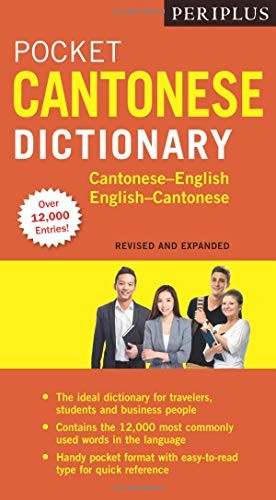
A handy two-way Cantonese–English dictionary with jyutping romanisation and characters — perfect for travel to Hong Kong, Guangzhou, or Macau, or for learners adding the Cantonese variety alongside their Mandarin.
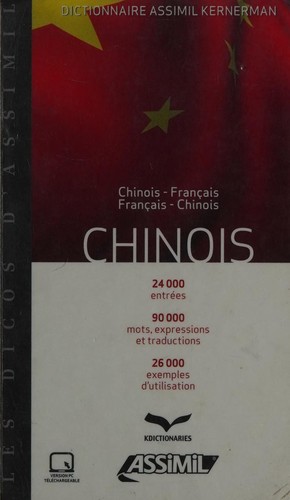
A practical two-way French–Chinese dictionary for Francophone learners of Mandarin, covering everyday vocabulary in both directions with pinyin throughout. A solid bilingual companion for the French-speaking classroom.
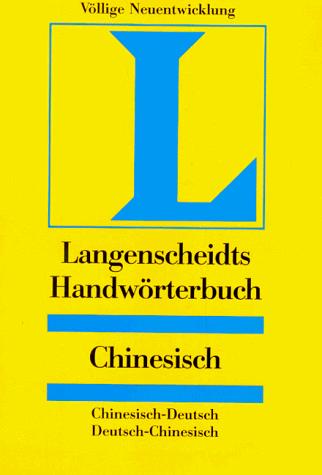
A comprehensive Chinese–German / German–Chinese dictionary from Langenscheidt, the trusted name in German bilingual references. Broad, modern vocabulary with clear translations in both directions.
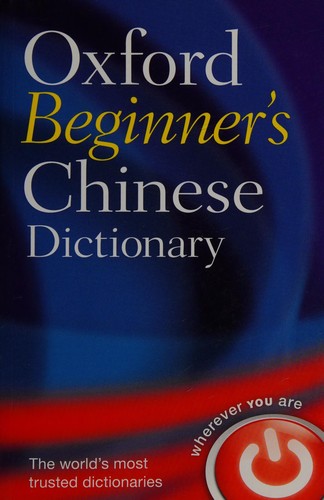
A learner-first dictionary that spells everything out — pinyin on every entry, sample sentences, and clear notes on usage and grammar. Designed from the ground up for people in their first years of Chinese.
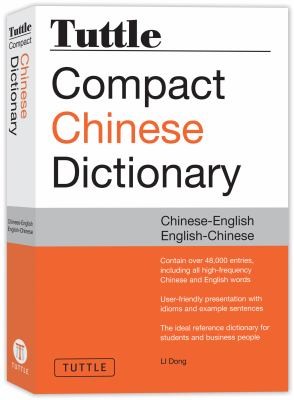
A genuinely pocket-sized two-way dictionary with around 35,000 entries, simplified and traditional forms, pinyin, and radical indexing. The grab-and-go reference for class, travel, and everyday lookups.
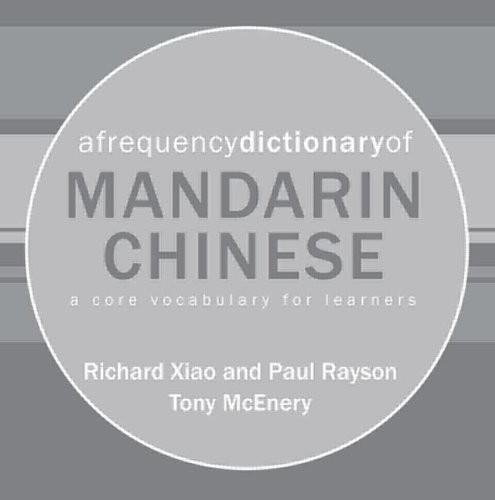
The 5,000 most frequent words ranked from a real corpus, each with pronunciation, gloss and an authentic example. The most defensible order in which to learn vocabulary once the HSK lists run out.
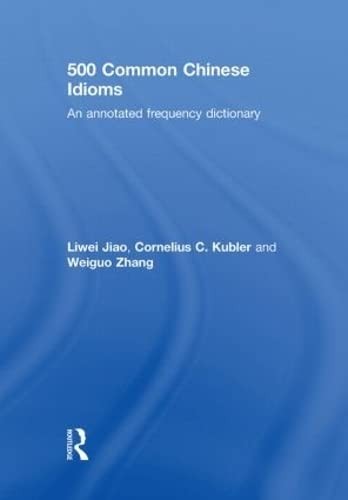
The 500 chengyu that actually turn up, ordered by frequency, each with its literal sense, its real use, register notes and example sentences. Idioms are where advanced learners are judged, and this is the shortlist.
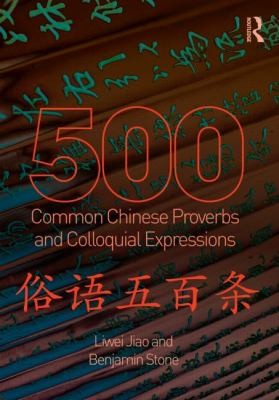
The companion volume, covering the spoken sayings and set phrases that never make it into textbooks but run through everyday conversation. Frequency-ordered and annotated the same way.
Level-appropriate reading material to build vocabulary and comprehension in context.
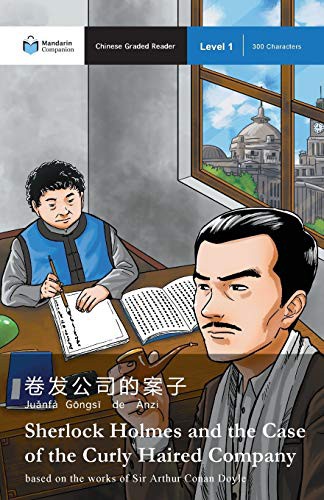
Engaging stories adapted to specific vocabulary levels (300–1,200 characters). Classics like "Sherlock Holmes" and original stories retold in accessible Chinese. The best way to transition from textbook to real reading.
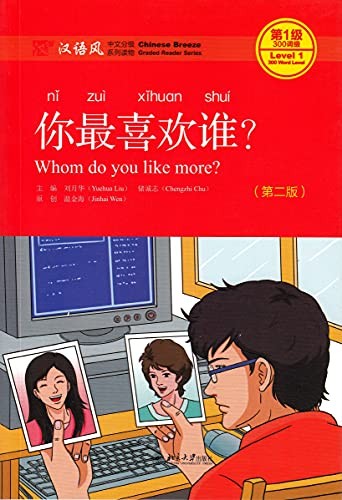
Eight levels from 300 to 4,500 words, each with original mystery, romance, and adventure stories. Audio included. The illustrations and plot-driven narratives keep you turning pages.
Eight short stories written specifically for intermediate learners, with vocabulary lists, comprehension questions, and key grammar notes. A bridge between textbook Chinese and authentic literature.
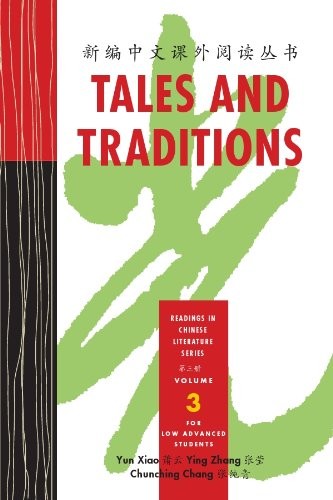
Traditional folk tales and classical stories adapted for language learners. Each story comes with vocabulary, grammar notes, and cultural context — learn the language through the stories every Chinese person knows.
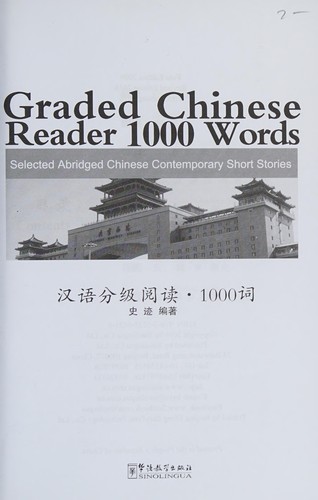
A Sinolingua graded reader built on a controlled vocabulary of just 1000 words, so beginners can enjoy full stories without constantly reaching for a dictionary. Each tale comes with pinyin support, word lists, and comprehension aids to make early reading feel achievable.
Engaging short biographies of famous Chinese figures, written in accessible Mandarin for learners moving beyond the basics. Real-life stories keep motivation high while building vocabulary, reading fluency, and cultural knowledge.
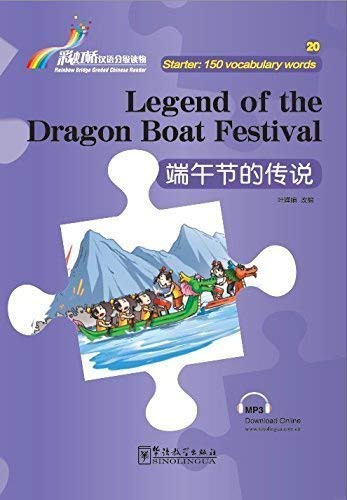
A beautifully illustrated retelling of the Dragon Boat Festival legend from the popular Rainbow Bridge graded series, leveled for early learners. Pinyin, a glossary, and English notes let you read an authentic Chinese folktale with confidence.
A classic Yale University Press reader that introduces Chinese characters step by step through carefully sequenced texts and exercises. Its methodical buildup of characters and grammar makes it a trusted foundation for serious beginners learning to read.

A full novel retold inside a 450-character ceiling and reset in China. The point is momentum: at this level you can finish a whole book without a dictionary, and finishing one changes what you believe you can read.

Classic tales and the proverbs they gave the language, in facing-page Chinese and English with audio. Every story ends by explaining the chengyu it produced — so the idiom arrives with its origin attached.

The companion volume: the folk stories every Chinese schoolchild knows, bilingually laid out with free audio. Cultural literacy and reading practice in the same pass.
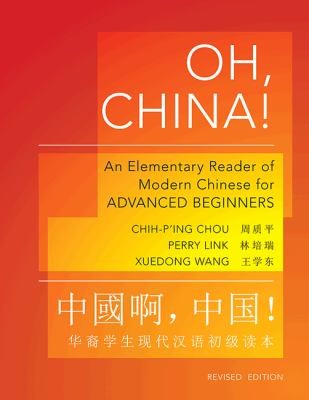
The first rung of Princeton’s reader ladder. Short pieces on contemporary China written for learners who have finished a first-year course and want prose rather than dialogues.
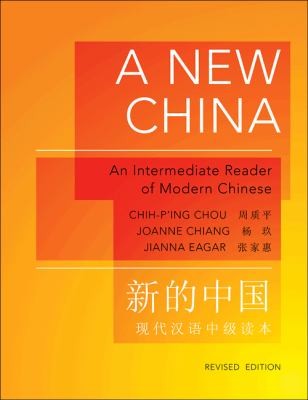
The most-used intermediate reader in US university programmes. Readings on reform-era society, each with vocabulary, notes and discussion questions — the standard step into essay-length Chinese.
The newest of the Princeton readers and the most current in subject matter. Written for the third year of study, when the gap between textbook Chinese and real writing needs closing.
Genuine essays and commentary, unsimplified, with the apparatus to get through them. This is where a reader stops being a learner text and starts being journalism you happen to have notes for.
Deliberately argumentative readings chosen to be disagreed with, paired with the vocabulary to disagree in Chinese. Built for discussion classes at the top of the undergraduate sequence.
Twentieth-century Chinese intellectual writing in the original — Lu Xun, Hu Shi and their contemporaries. Difficult, and the clearest measure there is of whether you can read adult Chinese prose.
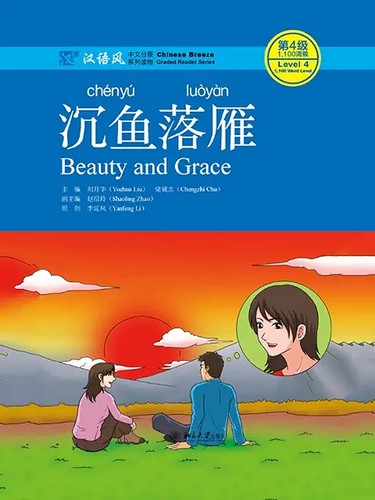
The top rung of the Chinese Breeze ladder, at an 1,100-word ceiling with audio. Long enough to feel like a real novella while the vocabulary stays inside what an HSK 4–5 learner controls.
Living writers, complete stories, Chinese and English on facing pages. Short-shorts mean you finish a real piece of literature in one sitting — unedited prose at a length that does not defeat you.
The Princeton entry point into literary Chinese, in graded passages from the philosophers and historians. The register that still underlies formal writing, chengyu, and much of what educated speakers quote.
Resources for mastering pinyin, tones, and natural-sounding Mandarin pronunciation.
A clever system pairing each of the four tones with its own colour, so you literally see the melody of every word and character. A favourite for finally making tones — and how they shift — click into place.
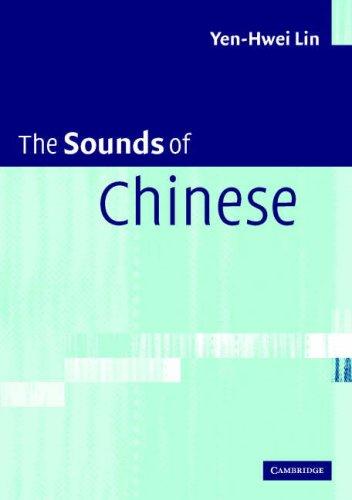
An accessible introduction to Mandarin phonology. Explains tones, syllable structure, and sound changes with linguistic precision but readable prose. Ideal for understanding the sound system deeply.
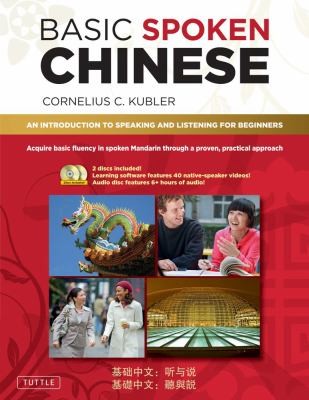
A speech-first course built around natural spoken Mandarin, with extensive native audio that drills pronunciation, tones, and rhythm from the very first lesson. Methodical and thorough for getting the sound system right.
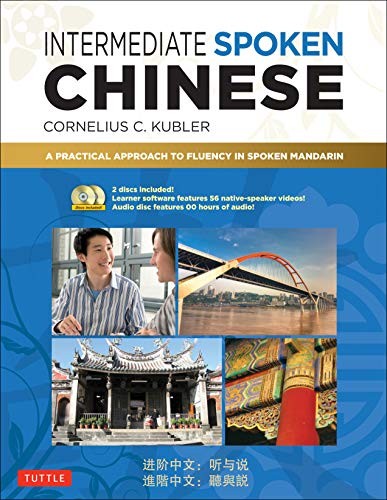
The follow-on to Basic Spoken Chinese, moving into longer conversations and natural connected speech with extensive native audio. Keeps the relentless focus on listening and pronunciation as your fluency grows.
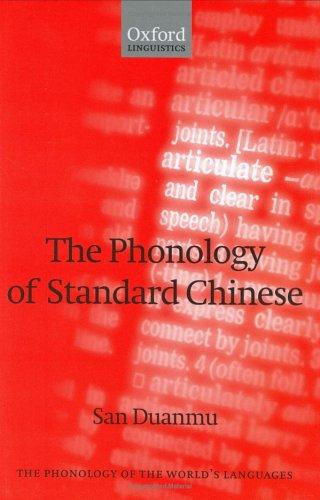
A rigorous scholarly account of how Mandarin sounds, tones, and syllables actually work. Ideal for serious learners and linguists who want to understand the system behind correct pronunciation.
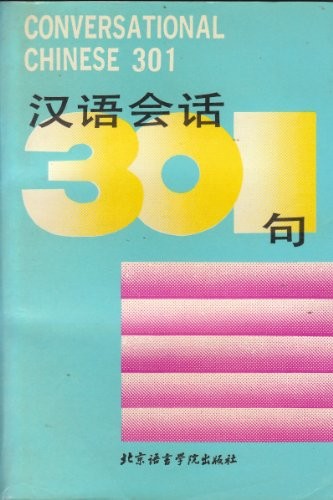
A beloved classic that teaches everyday spoken Mandarin through 301 practical sentences and dialogues. Its clear pinyin and audio-friendly structure make it a favorite for building real speaking confidence.
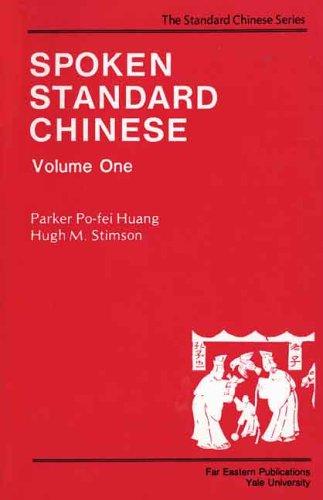
A trusted Yale course focused entirely on listening and speaking standard Mandarin. It drills natural sentence patterns so you can converse fluently rather than just read.
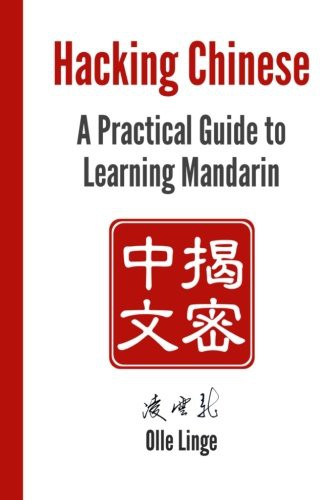
A practical guide to learning Mandarin smarter, with concrete strategies for mastering tones, listening, and pronunciation. Perfect for self-learners who want to train their ear and speak with confidence.
Books about Chinese culture, history, philosophy, and society to deepen your understanding.
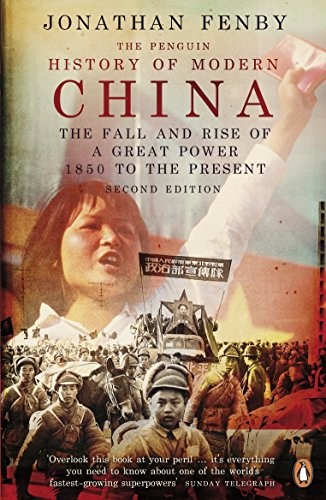
A sweeping, highly readable account of China from the fall of the last dynasty to today — revolution, war, and the country's dramatic modern rise. The best single-volume modern history for the context behind the language.
A beautifully written memoir of an American teacher's experience in a small Chinese city. Offers profound cultural insights and is widely considered the best modern book about life in China.
Nobel Prize-winning novel about a Chinese farming family. A classic that illuminates traditional Chinese rural life, values, and social structures. A moving story that transcends cultural boundaries.
A Chinese novelist explains modern China through ten key Chinese words and concepts. Each word becomes a window into contemporary Chinese society, politics, and culture. Witty, honest, and illuminating.
The ancient Chinese military treatise that has influenced strategy worldwide. Available in bilingual editions that make excellent parallel reading material for intermediate learners interested in classical Chinese thought.
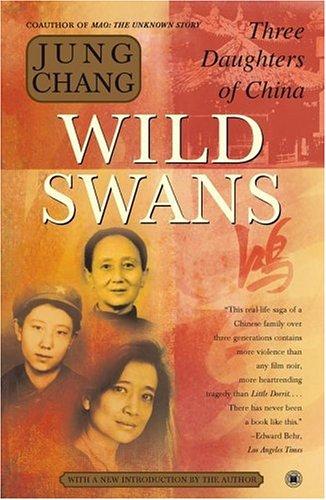
The unforgettable saga of three generations of women across a century of Chinese upheaval — from warlords to the Cultural Revolution. One of the most widely read books about modern China, intimate and sweeping at once.
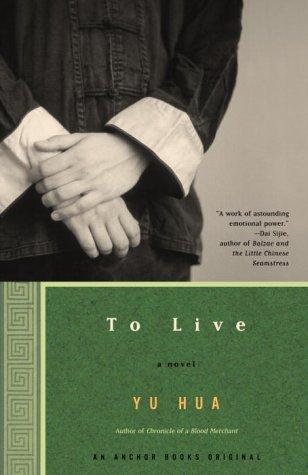
Yu Hua's beloved novel follows one man's family across the upheavals of 20th-century China, from civil war to the Cultural Revolution. Its plain, moving language makes it a touching window into modern Chinese history and everyday resilience.
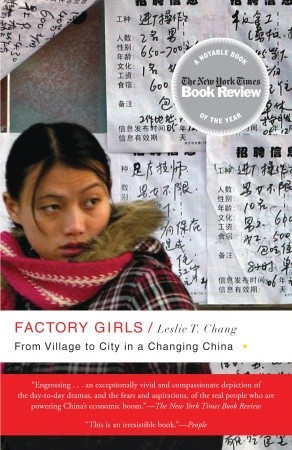
Leslie T. Chang follows young women who leave their villages to work in the factory boomtowns of southern China. It is a warm, vivid look at modern Chinese society and the dreams driving the country's transformation.
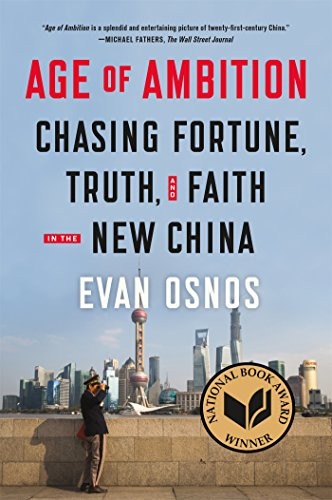
A National Book Award winner built from eight years of reporting in Beijing, told through individual lives rather than statistics. The best single explanation of the aspiration and friction behind the China you are learning to talk about.
A year inside China’s temples, churches and folk festivals, following believers through the ritual calendar. Essential background for anyone who keeps meeting festivals in a textbook and wondering what they mean to people.
Professional Chinese for the workplace, covering meetings, negotiations, and formal communication.
Distilled advice from dozens of senior executives running companies in China — covering management, negotiation, and the cultural fault-lines that trip up newcomers. A practical playbook for doing business with China.
The classic guide to the manners, protocol, and unspoken rules of doing business in China — gift-giving, banquets, face, and guanxi. Indispensable for handling real professional encounters with confidence.
A gripping first-hand story of a Western investor sinking hundreds of millions into 1990s China and colliding with a business culture he barely understood. Hilarious, humbling, and genuinely instructive about trust and negotiation.
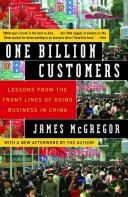
A veteran journalist and businessman's vivid, story-driven guide to the realities of the Chinese market — full of cautionary tales and hard-won lessons. Essential reading before you pitch, partner, or sell in China.
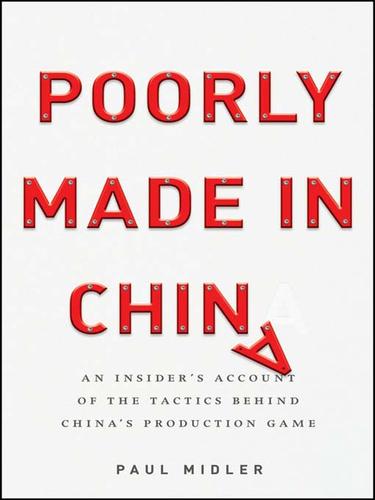
An insider's eye-opening account of manufacturing and quality games in China's export factories. A candid, story-driven look at the realities of sourcing and doing business with Chinese suppliers.
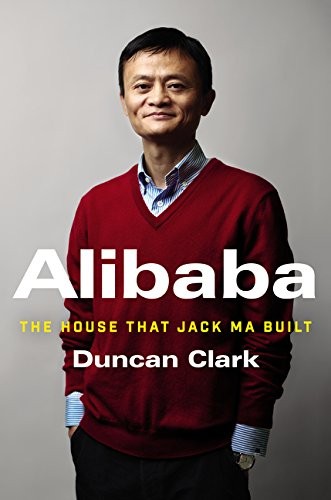
The inside story of how Jack Ma built Alibaba into one of China's most influential tech giants. A clear, engaging guide to the rise of Chinese e-commerce and entrepreneurship.
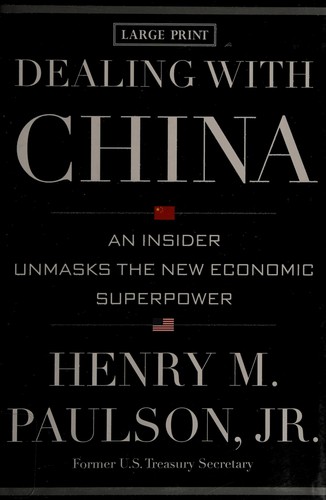
Former US Treasury Secretary Hank Paulson shares decades of high-level dealings with China's leaders and economy. A thoughtful look at the relationships and forces shaping Chinese business and finance.
A leading technologist explains how China became a powerhouse in artificial intelligence alongside Silicon Valley. An accessible, forward-looking read on China's tech ambitions and their global impact.
A proper business-Chinese course rather than a phrasebook. Level 1 covers introductions, arrangements and office routine, with the etiquette notes that stop a correct sentence landing wrong.
Level 2 moves from small talk to substance — meetings, proposals, disagreement, and the careful language of a deal that is not settled yet.
The advanced volume: negotiation, contracts and formal written register. The point at which business Chinese stops being vocabulary and starts being judgement.
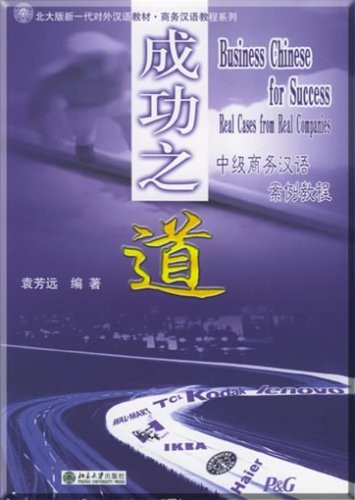
Built from case studies of actual companies operating in China, so the vocabulary arrives inside a real commercial argument. Strong on the language of strategy, market entry and competition.
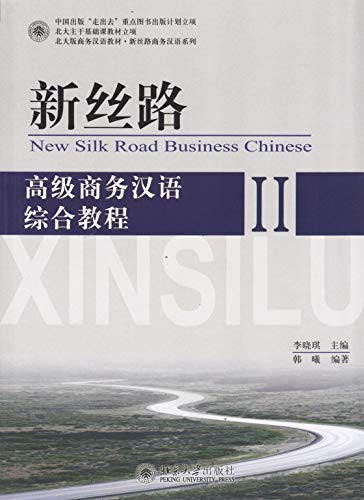
Peking University’s business series, written for learners heading into trade and commerce. Practical, dialogue-heavy, and the closest thing to a mainland-standard business textbook.
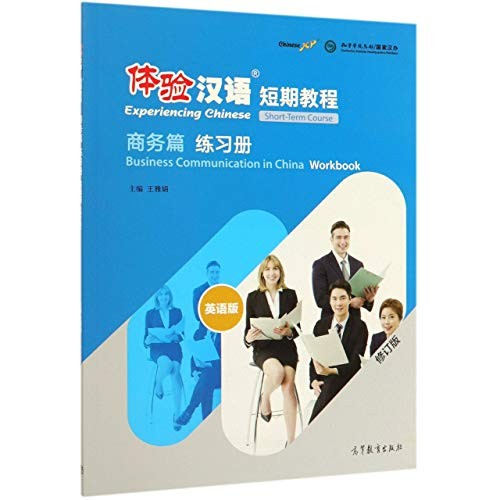
A compact 60–80 hour course aimed at professionals already posted to China. Task-driven, focused on getting a specific thing done in Chinese rather than on covering a syllabus.
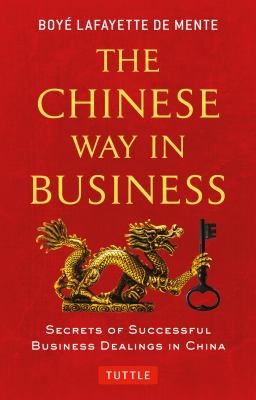
The cultural logic behind Chinese commercial behaviour — guanxi, face, hierarchy and the long approach to trust. Explains why a deal that looks agreed may not be.
The academic reference on market entry: structures, law, regulation and partnership models, kept current across editions. Drier than the memoirs, and far more useful when you are actually deciding something.
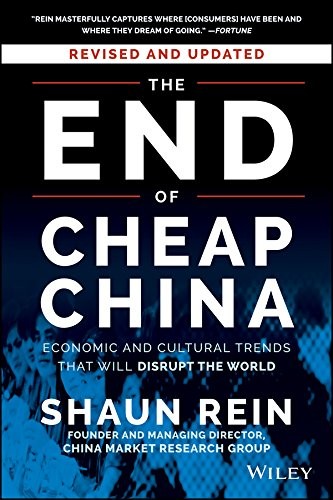
Argues that the low-cost-factory China most Westerners still picture stopped existing some time ago, and reads the consumer market that replaced it. Written by a market researcher who sells to it.
"In books there are houses of gold."
Chinese Proverb